Secrets Of Georgia’s Harris Neck Wood Stork Colonies
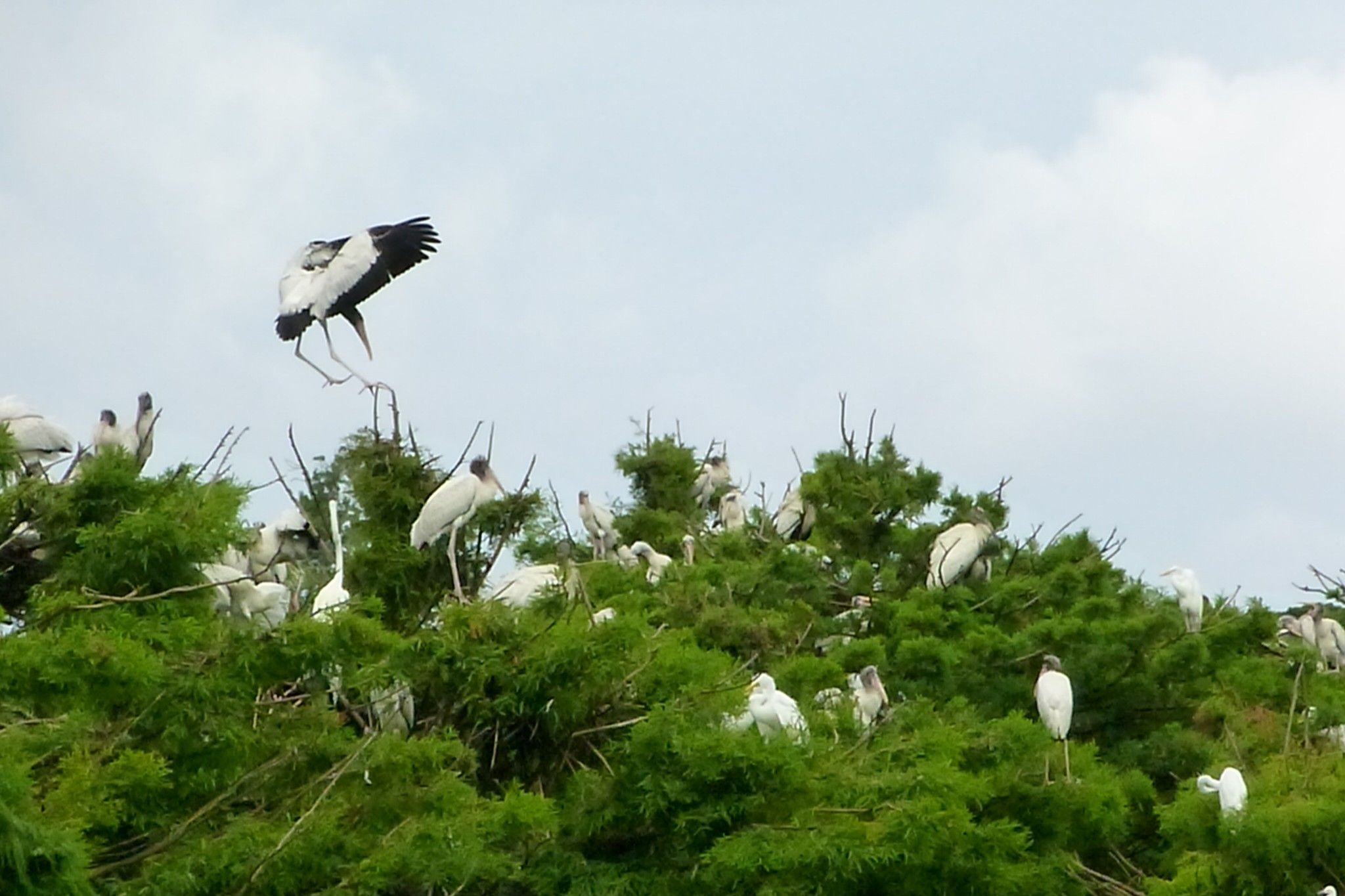
Have you ever wondered where to find one of the largest Wood Stork colonies in the United States? Look no further than Harris Neck National Wildlife Refuge in Georgia. This hidden gem is a paradise for bird watchers and nature lovers alike. Each year, hundreds of these majestic birds gather here to nest and raise their young. The refuge offers a unique opportunity to observe these fascinating creatures up close. Whether you're an avid birder or just someone who enjoys the great outdoors, Harris Neck provides an unforgettable experience. Ready to learn more about this incredible destination? Let's dive in!
Discovering Harris Neck National Wildlife Refuge
Harris Neck National Wildlife Refuge, located in Georgia, is a hidden gem for bird enthusiasts. This refuge is home to a variety of bird species, but the Wood Stork colonies are the real stars. Let's dive into the best spots to witness these majestic birds in action.
Prime Viewing Spots for Wood Storks
To truly appreciate the beauty of the Wood Stork colonies, you need to know where to look. Here are some of the top locations within Harris Neck National Wildlife Refuge to catch a glimpse of these incredible birds.
Woody Pond
- Woody Pond is the heart of the Wood Stork colonies. During nesting season, hundreds of storks can be seen building nests, feeding their young, and soaring above the water. The pond provides a perfect habitat with its shallow waters and abundant food supply.
Goose Pond
- Goose Pond offers another excellent vantage point for observing Wood Storks. This area is slightly less crowded than Woody Pond, making it a peaceful spot to watch the storks in their natural habitat. Bring binoculars for a closer look at their intricate nesting behaviors.
Snipe Pond
- Snipe Pond is a bit more secluded, providing a quieter experience for bird watchers. The storks here are often seen wading through the water, searching for fish. It's a great place to take photos without the hustle and bustle of larger crowds.
Bluebill Pond
- Bluebill Pond is known for its diverse bird population, but the Wood Storks are the main attraction. The pond's serene environment makes it an ideal spot for a relaxing day of bird watching. Early mornings or late afternoons are the best times to visit.
Best Times to Visit
Timing is everything when it comes to bird watching. To maximize your chances of seeing Wood Storks, plan your visit during their peak activity periods.
Early Morning
- Early morning is when the storks are most active. As the sun rises, they begin their day by foraging for food. This is the perfect time to see them in action, especially at Woody Pond and Goose Pond.
Late Afternoon
- Late afternoon is another prime time for observing Wood Storks. As the day cools down, they return to their nests, providing a great opportunity to see them up close. Bluebill Pond is particularly beautiful during this time.
Tips for a Successful Visit
To make the most of your trip to Harris Neck National Wildlife Refuge, keep these tips in mind.
Bring Binoculars
- Binoculars are essential for getting a closer look at the storks without disturbing them. They allow you to observe their behaviors and interactions from a distance.
Wear Comfortable Clothing
- The refuge's terrain can be uneven, so wear comfortable clothing and sturdy shoes. Light, breathable fabrics are best for staying cool during warmer months.
Pack Snacks and Water
- There are no facilities within the refuge, so bring snacks and plenty of water. Staying hydrated and energized will help you enjoy your visit to the fullest.
Respect Wildlife
- Always respect the wildlife and their habitats. Keep a safe distance from the birds and avoid making loud noises. Remember, you're a guest in their home.
Other Wildlife to Watch For
While the Wood Storks are the main attraction, Harris Neck National Wildlife Refuge is home to many other fascinating creatures.
- Alligators
- Keep an eye out for alligators basking in the sun near the ponds. They are a common sight and add an extra element of excitement to your visit.
- Egrets and Herons
- Egrets and herons are often seen alongside the Wood Storks. These elegant birds add to the diverse avian population of the refuge.
- Turtles
- Turtles can be spotted sunning themselves on logs or swimming in the ponds. They are a delightful addition to the refuge's wildlife.
- Deer
- White-tailed deer are frequently seen grazing in the meadows. Their graceful presence adds to the serene atmosphere of the refuge.
Harris Neck National Wildlife Refuge offers a unique opportunity to witness the beauty of Wood Stork colonies and other wildlife in their natural habitat. Whether you're an avid bird watcher or just looking for a peaceful escape, this refuge is a must-visit destination.
Embrace the Beauty of Harris Neck
Harris Neck offers a unique glimpse into the world of Wood Storks. Their colonies, nestled in the heart of Georgia, provide an unforgettable experience for nature lovers. Watching these majestic birds in their natural habitat is both educational and awe-inspiring.
Visiting Harris Neck isn't just about the storks. The area is rich with diverse wildlife, making it a perfect spot for birdwatching and photography. The serene environment allows visitors to connect with nature on a deeper level.
Plan your trip during the breeding season for the best chance to see the storks in action. Bring your binoculars, camera, and a sense of adventure. Harris Neck promises a rewarding experience for anyone interested in wildlife and conservation.
Don't miss out on this hidden gem. Harris Neck's Wood Stork colonies are waiting to be explored.