Secrets Of Georgia’s Grand Bay Pitcher Plant Bogs
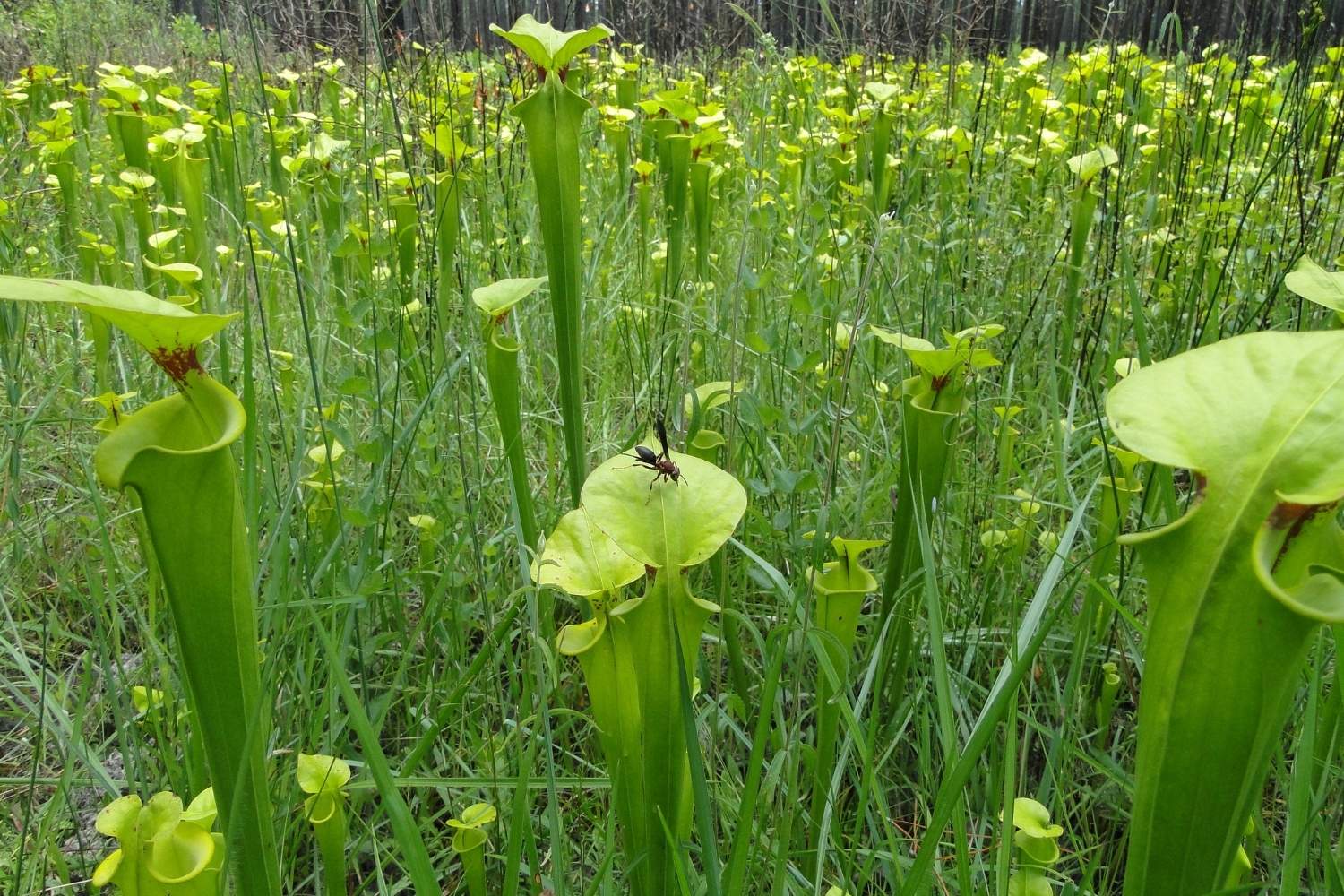
Have you ever heard of the Grand Bay Pitcher Plant Bogs in Georgia? This hidden gem offers a unique glimpse into a fascinating ecosystem. Imagine walking through a landscape dotted with vibrant pitcher plants, each one a tiny world of its own. These bogs are home to rare plants and animals, making it a must-visit for nature lovers. Whether you're an avid hiker or just looking for a peaceful escape, the Grand Bay Pitcher Plant Bogs provide an unforgettable experience. Ready to learn more about this natural wonder? Let's dive into what makes this place so special.
Discovering Georgia's Grand Bay Pitcher Plant Bogs
Georgia's Grand Bay Pitcher Plant Bogs are a hidden gem for nature lovers. These unique wetlands are home to fascinating carnivorous plants and diverse wildlife. Let's explore some of the best spots to witness these natural wonders.
1. Grand Bay Wildlife Management Area
The Grand Bay Wildlife Management Area is a must-visit for anyone interested in pitcher plants. This vast area offers a variety of habitats, including wetlands, forests, and open water.
- Pitcher Plant Boardwalk: Walk along the boardwalk to get up close and personal with the pitcher plants. The boardwalk provides an excellent view of the bogs without disturbing the delicate ecosystem.
- Observation Tower: Climb the observation tower for a bird's-eye view of the entire area. It's a great spot for photography and birdwatching.
- Nature Trails: Explore the numerous trails that wind through the management area. Each trail offers a different perspective on the unique flora and fauna.
2. Reed Bingham State Park
Reed Bingham State Park is another fantastic location to see pitcher plants in their natural habitat. The park is known for its beautiful scenery and recreational activities.
- Little River Trail: This trail takes you through various ecosystems, including pitcher plant bogs. Keep an eye out for the vibrant colors of the pitcher plants along the way.
- Lake Reed Bingham: Enjoy a peaceful paddle on the lake while observing the surrounding wetlands. Canoeing or kayaking offers a unique vantage point for spotting pitcher plants.
- Wildlife Viewing Areas: Designated areas in the park provide excellent opportunities to see a variety of wildlife, including the elusive pitcher plants.
3. Okefenokee National Wildlife Refuge
The Okefenokee National Wildlife Refuge is a vast, pristine wilderness that offers a glimpse into Georgia's natural beauty. The refuge is home to an array of plant and animal species, including pitcher plants.
- Swamp Island Drive: Take a scenic drive through the refuge to see pitcher plants and other wetland flora. The drive includes several pull-offs for closer inspection and photography.
- Chesser Island Boardwalk: This boardwalk leads you through a cypress swamp, where pitcher plants thrive. It's an easy walk with plenty of opportunities to observe the plants up close.
- Boat Tours: Guided boat tours offer an immersive experience in the refuge's waterways. Knowledgeable guides will point out pitcher plants and other interesting features of the swamp.
4. Banks Lake National Wildlife Refuge
Banks Lake National Wildlife Refuge is a lesser-known spot that offers a peaceful retreat for nature enthusiasts. The refuge's wetlands are perfect for observing pitcher plants in a serene setting.
- Banks Lake: Paddle around the lake to see pitcher plants growing along the water's edge. The calm waters make for a relaxing and enjoyable experience.
- Wildlife Observation Deck: This deck provides a great vantage point for spotting pitcher plants and other wildlife. Bring binoculars for a closer look.
- Nature Walks: Take a leisurely stroll along the refuge's trails. The diverse plant life, including pitcher plants, makes for an interesting and educational walk.
5. Stephen C. Foster State Park
Located within the Okefenokee Swamp, Stephen C. Foster State Park is a gateway to one of Georgia's most unique ecosystems. The park offers various ways to explore the swamp and its pitcher plants.
- Billy's Lake: Rent a canoe or kayak to paddle through Billy's Lake. The calm waters and surrounding wetlands are ideal for spotting pitcher plants.
- Trembling Earth Nature Trail: This trail takes you through different habitats, including pitcher plant bogs. It's a great way to see the plants in their natural environment.
- Guided Tours: Join a guided tour to learn more about the park's flora and fauna. Knowledgeable guides will help you spot pitcher plants and other interesting species.
Discover the Magic of Georgia's Grand Bay Pitcher Plant Bogs
Georgia's Grand Bay Pitcher Plant Bogs offer a unique experience for nature lovers. These wetlands are home to rare plants and diverse wildlife, making them a must-visit. Walking through the bogs, you'll see the fascinating pitcher plants that trap insects for nutrients. The area also supports various bird species and other animals, creating a vibrant ecosystem.
Visiting these bogs not only provides a chance to see unique flora and fauna but also helps support conservation efforts. By exploring and appreciating these natural wonders, you contribute to their preservation. So, pack your hiking boots, grab a camera, and head to Georgia's Grand Bay Pitcher Plant Bogs for an unforgettable adventure. Whether you're a seasoned naturalist or just looking for a peaceful escape, this hidden gem has something special for everyone.