

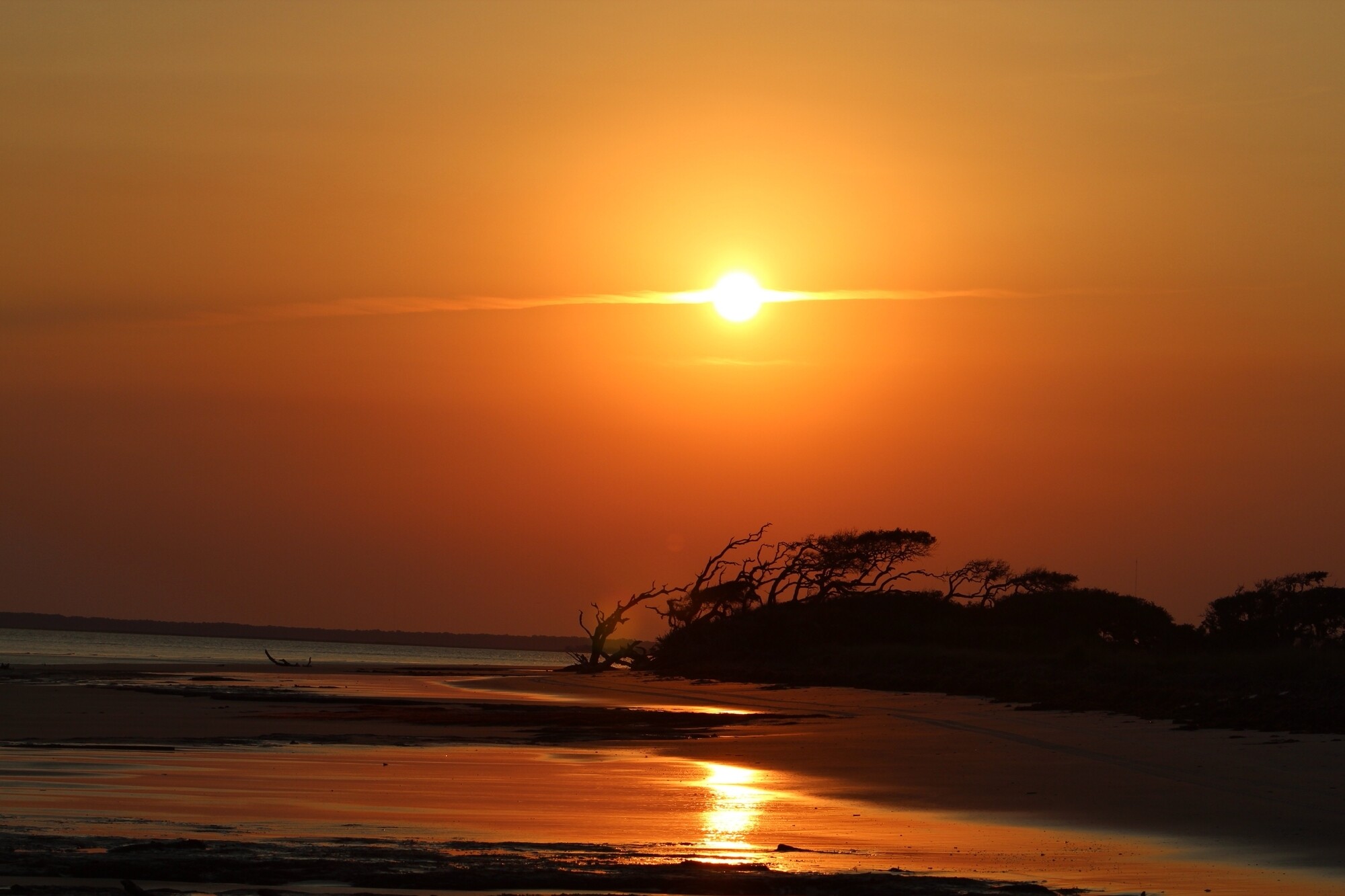
Blackbeard Island’s “secrets” are less about buried treasure and more about a layered past: a pirate legend, a yellow fever quarantine station, and a national wildlife refuge. The documented history covers those three chapters, not any lighthouse—so take the old “lighthouse ruins” tale with a grain of salt.
Secrets of Georgia's Blackbeard Island
Blackbeard Island, off Georgia’s coast, is named after the pirate Edward Teach, though no concrete evidence ties him to the land. What is documented is its role as a quarantine station during yellow fever outbreaks and its current status as the Blackbeard Island National Wildlife Refuge. The island’s real draw is the mix of history and unspoiled nature—no gift shops, no boardwalks, just trails, marshes, and shore.
Historical Landmarks
The island’s history is preserved in its landmarks, though some stories are more legend than fact.
- Blackbeard's Hideout
Legend says Blackbeard used the island as a hideout, but no evidence supports it. The tale persists, adding a layer of mystery to the refuge. - Old Lighthouse Ruins
These ruins are said to date back to the 1800s. No sourced record confirms a lighthouse here, so treat the claim as local lore rather than documented history.
Natural Wonders
The refuge’s real wealth is ecological—maritime forest, salt marshes, and shoreline that shift with the tides.
- Maritime Forest
This dense forest shelters live oaks, palms, and a tangle of understory. Walking the sandy paths feels like stepping into a quieter century. - Salt Marshes
These marshes are nurseries for shrimp and crabs, and they host egrets, herons, and roseate spoonbills.
Outdoor Activities
Access is by boat only, and there are no bridges. Plan for a full day or bring camping gear.
- Hiking Trails
Trails range from easy beach walks to longer loops through the forest. One route connects the marsh edge to the ocean side, crossing dunes and tidal flats. Wear sturdy shoes; sand fleas can be fierce near dusk. - Fishing Spots
Surf fishing is popular from the beach, and the creeks yield redfish, trout, and flounder. You’ll need a Georgia saltwater fishing license, and be mindful of tidal currents.
Wildlife Encounters
The refuge is a haven for species that thrive with little human disturbance.
- Bird Watching
Beyond wading birds, look for painted buntings, wood storks, and migrating songbirds in spring and fall. Early morning is the best time to spot them. - Sea Turtles
Loggerhead sea turtles nest on the beach from May to October. Keep your distance and avoid flashlights at night—nesting females are easily disturbed.
Hidden Beaches
The island’s beaches are open but not crowded, because getting there takes effort. There are no lifeguards or facilities, so bring water and a trash bag.
- Secluded Cove
This cove on the southern end is a quiet spot for swimming, though currents can be strong. The sand is soft, and the water is clear. - Driftwood Beach
This is the island’s most photographed spot—the bleached, twisted driftwood forms natural sculptures against the sky. Watch the tide; the beach narrows quickly at high water.
Discover the Magic of Blackbeard Island
Blackbeard Island rewards those who make the trip. You’ll find history in the quarantine station’s remnants, wildlife in the marshes and forest, and natural beauty in the undeveloped shore. The pristine beaches and lush forests are best explored on foot, and the abundant wildlife makes every visit different.
Hike the scenic trails, kayak through the marshes, or simply relax on the sandy shores. Each visit promises new discoveries, whether it’s a painted bunting in the oaks or a sea turtle track in the sand.
Related travel guides: Georgia's Island Hidden In Beaches Islands, Hidden Wildlife Havens On Georgia's Coast, and Secrets Of Georgia's Sea Island Plantations.
