Secrets Of Florida’s Everglades Mangrove Research Sites
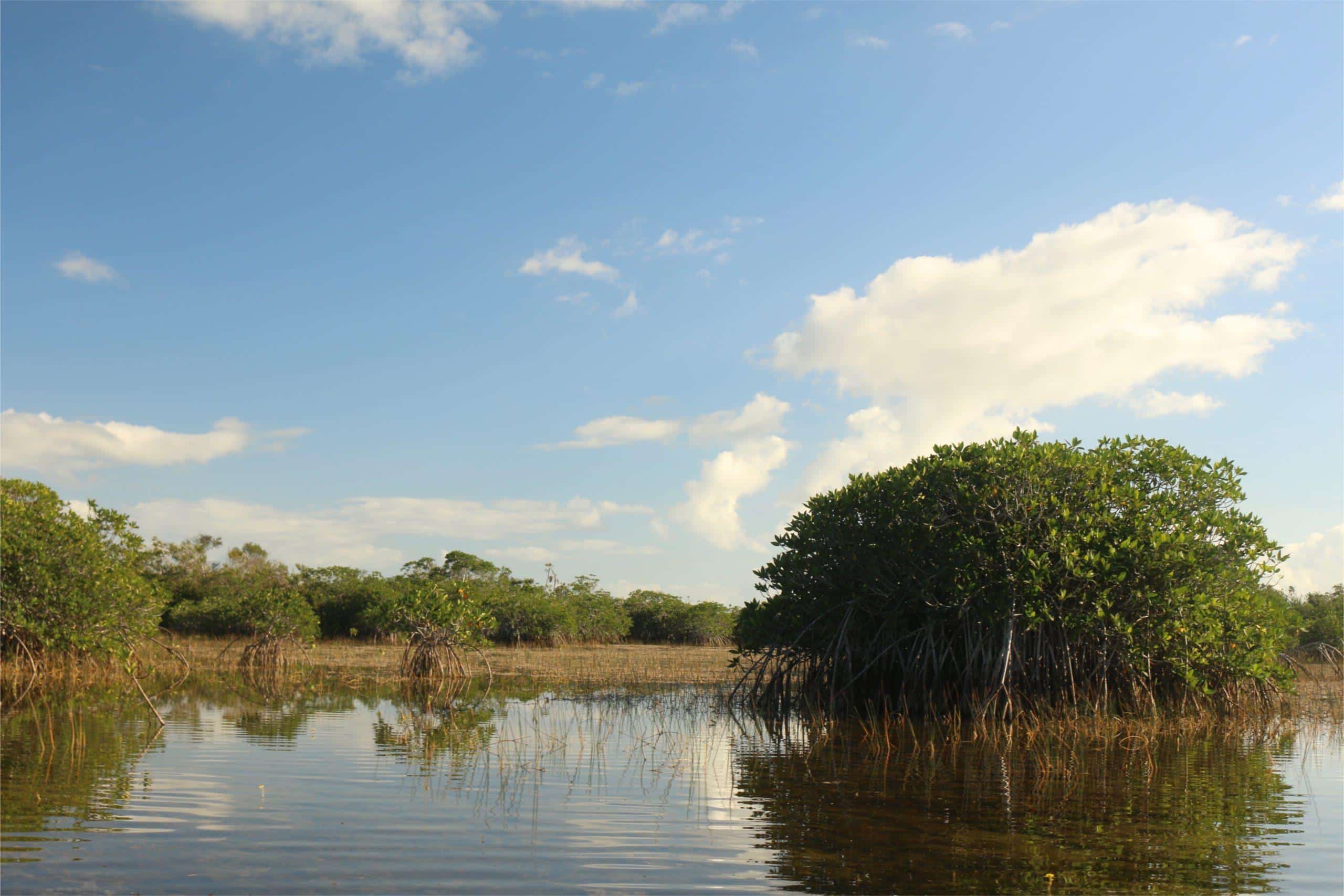
Have you ever wondered what makes the Florida Everglades so special? This unique ecosystem is home to some of the most fascinating mangrove research sites in the world. These mangroves play a crucial role in maintaining the health of the Everglades, providing habitat for countless species and protecting the coastline from erosion. Scientists flock to these sites to study the intricate relationships between plants, animals, and the environment. Whether you're a nature enthusiast or just curious about the natural world, exploring the secrets of these research sites can offer a deeper appreciation for the wonders of the Everglades.
Discovering the Hidden Gems of Florida's Everglades Mangrove Research Sites
The Everglades is a vast, mysterious ecosystem teeming with life. Among its many wonders are the mangrove research sites, where scientists study these unique trees and their role in the environment. Let's explore some of these fascinating locations.
1. Ten Thousand Islands National Wildlife Refuge
This refuge is a maze of mangrove islands and waterways. Researchers here study the complex interactions between mangroves, wildlife, and water quality.
- Wildlife Haven: Home to manatees, dolphins, and countless bird species.
- Kayak Trails: Paddle through the mangroves to see research in action.
- Visitor Center: Learn about ongoing projects and the importance of mangroves.
2. Rookery Bay National Estuarine Research Reserve
Rookery Bay offers a glimpse into the delicate balance of estuarine ecosystems. Scientists focus on how mangroves protect shorelines and support marine life.
- Field Station: Observe researchers collecting data on water salinity and mangrove health.
- Guided Tours: Join a tour to see mangrove restoration projects.
- Interactive Exhibits: Discover how mangroves filter pollutants and provide habitat.
3. Everglades National Park
This iconic park is a UNESCO World Heritage Site, known for its vast mangrove forests. Research here aims to understand the impact of climate change on these vital trees.
- Flamingo Visitor Center: Start your journey with exhibits on mangrove research.
- Boat Tours: Navigate through mangrove tunnels and learn from park rangers.
- Research Programs: Participate in citizen science projects to help monitor mangrove health.
4. Biscayne National Park
Biscayne's mangroves are crucial for protecting coral reefs and providing nursery habitats for fish. Researchers study the connections between mangroves and marine ecosystems.
- Dante Fascell Visitor Center: Explore exhibits on mangrove and coral reef research.
- Snorkeling Adventures: See firsthand how mangroves support marine life.
- Educational Programs: Engage in workshops on mangrove conservation.
5. Florida Keys National Marine Sanctuary
This sanctuary includes mangrove islands that are vital for coastal protection and biodiversity. Scientists here focus on the role of mangroves in mitigating storm impacts.
- Research Vessels: Join a research cruise to see mangrove studies in action.
- Coral Restoration: Learn how mangroves help protect coral reefs from erosion.
- Volunteer Opportunities: Help with mangrove planting and restoration efforts.
6. Big Cypress National Preserve
Big Cypress is a unique blend of swamps, prairies, and mangroves. Research focuses on the hydrology of the area and how mangroves adapt to changing water levels.
- Swamp Walks: Guided tours through mangrove swamps to observe research sites.
- Visitor Center Exhibits: Displays on the hydrological studies of mangroves.
- Photography Workshops: Capture the beauty of mangroves while learning about their ecology.
7. Charlotte Harbor Preserve State Park
This park protects one of the largest and most productive estuaries in Florida. Researchers study the interactions between mangroves, seagrasses, and marine life.
- Kayak Eco-Tours: Paddle through mangrove tunnels and learn about research efforts.
- Bird Watching: Spot rare bird species that rely on mangrove habitats.
- Educational Programs: Participate in hands-on activities to understand mangrove ecosystems.
8. John Pennekamp Coral Reef State Park
Known for its coral reefs, this park also has significant mangrove areas. Research here examines the relationship between mangroves and coral health.
- Glass-Bottom Boat Tours: View mangroves and coral reefs without getting wet.
- Snorkeling and Diving: Explore underwater mangrove roots and their marine inhabitants.
- Conservation Programs: Learn about efforts to protect both mangroves and coral reefs.
9. Loxahatchee River District
The Loxahatchee River is a designated Wild and Scenic River, with extensive mangrove forests. Research focuses on water quality and the role of mangroves in filtering pollutants.
- River Center: Interactive exhibits on mangrove research and water quality.
- Guided Paddle Tours: Explore the river and its mangroves with knowledgeable guides.
- Citizen Science: Participate in water sampling and other research activities.
10. Apalachicola National Estuarine Research Reserve
This reserve is one of the most productive estuarine systems in the northern hemisphere. Scientists study how mangroves interact with other coastal habitats.
- Research Facility: Tour the labs where mangrove studies are conducted.
- Boat Excursions: See the mangroves up close and learn about their ecological importance.
- Workshops and Seminars: Attend events to learn about the latest research findings.
Why You Should Visit the Everglades Mangrove Research Sites
Florida's Everglades mangrove research sites offer a unique glimpse into a vital ecosystem. These areas are home to diverse wildlife, including alligators, manatees, and countless bird species. Exploring these sites helps you understand the importance of mangroves in protecting coastlines and supporting marine life.
Guided tours provide insights into ongoing research and conservation efforts. You'll learn how scientists study these environments and what steps are being taken to preserve them. The experience is both educational and awe-inspiring, making it perfect for nature enthusiasts and curious minds alike.
Visiting these research sites also supports local conservation initiatives. Your presence helps fund important projects aimed at preserving this unique habitat for future generations. So, pack your bags, grab your camera, and head to the Everglades for an unforgettable adventure.