

Florida’s Calvert Cliffs’ Secret Fossil Beaches
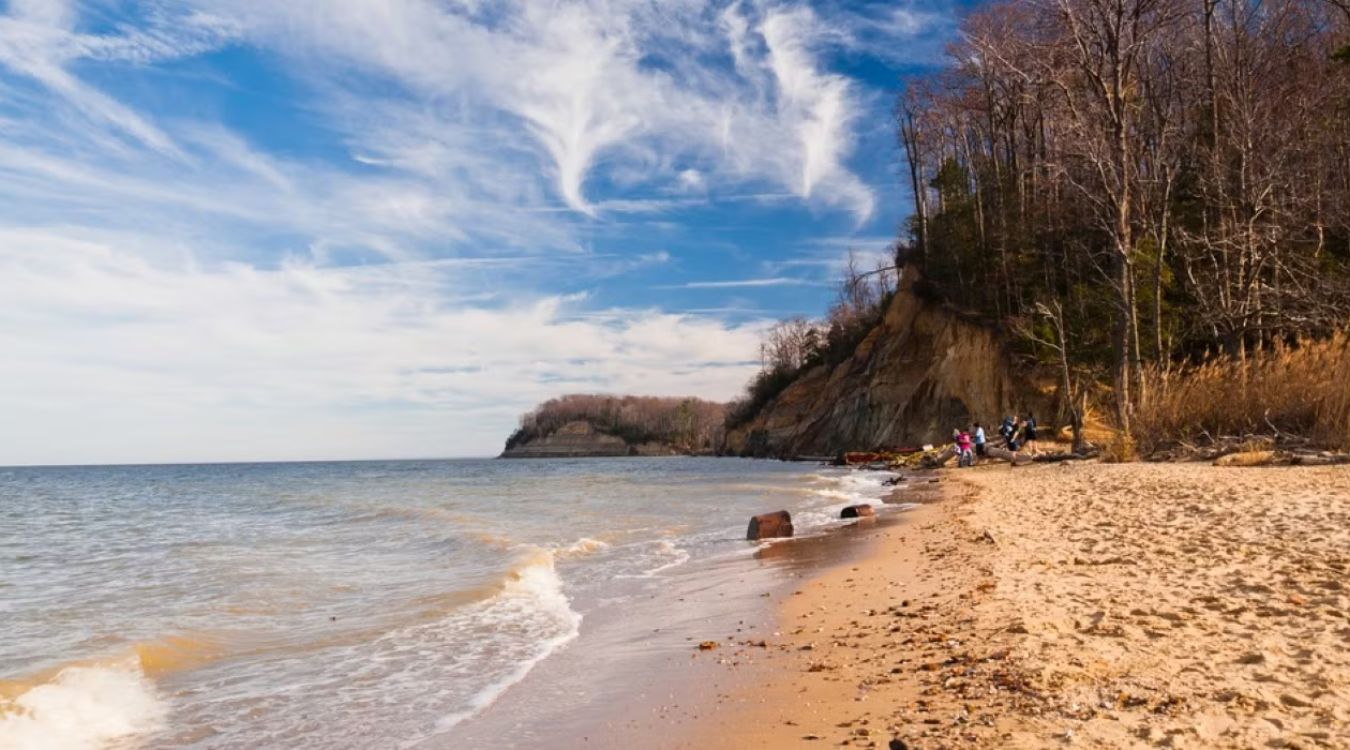
Have you ever wondered where you can find ancient treasures hidden in plain sight? Florida's Calvert Cliffs' secret fossil beaches offer a unique adventure for those curious about prehistoric life. These beaches are not just for sunbathing; they are a hotspot for fossil hunters. Imagine walking along the shore and stumbling upon shark teeth, ancient shells, or even bones from long-extinct creatures. It's a hands-on history lesson that you won't find in any textbook. Whether you're a seasoned fossil enthusiast or a curious beginner, these beaches provide an exciting opportunity to connect with the past. Ready to dig in? Let's go!
Florida's Calvert Cliffs' Secret Fossil Beaches
Florida is known for its stunning beaches, but did you know it also hides some secret spots where you can find fossils? These hidden gems are perfect for anyone interested in history, geology, or just looking for a unique adventure. Let's dive into some of these fascinating locations.
1. Venice Beach
Venice Beach, often called the "Shark Tooth Capital of the World," is a must-visit for fossil hunters. The beach is famous for its abundance of prehistoric shark teeth, which can be found scattered along the shoreline.
- What to Look For: Shark teeth, ancient shells, and small bone fragments.
- Best Time to Visit: Early morning or after a storm, when new fossils are washed ashore.
- Tips: Bring a small shovel and a sifter to help you find the best treasures.
2. Caspersen Beach
Just south of Venice Beach, Caspersen Beach offers a quieter, less crowded fossil hunting experience. The beach is known for its dark, coarse sand, which makes spotting fossils a bit easier.
- What to Look For: Shark teeth, stingray barbs, and fossilized shells.
- Best Time to Visit: Low tide, when more of the beach is exposed.
- Tips: Wear water shoes to protect your feet from sharp objects.
3. Manasota Key Beach
Manasota Key Beach is another fantastic spot for fossil enthusiasts. This beach is less commercialized, providing a more natural setting for your fossil hunting adventure.
- What to Look For: Shark teeth, ancient shells, and small vertebrate fossils.
- Best Time to Visit: Early morning or late afternoon, when the beach is less crowded.
- Tips: Bring a mesh bag to carry your finds and a magnifying glass to examine smaller fossils.
4. Blind Pass Beach
Located on the southern end of Manasota Key, Blind Pass Beach is a hidden gem for fossil hunters. The beach is known for its clear waters and abundant marine life, making it a great spot for snorkeling as well.
- What to Look For: Shark teeth, fossilized shells, and small bones.
- Best Time to Visit: After a storm, when new fossils are brought to the surface.
- Tips: Combine fossil hunting with a snorkeling adventure to explore the underwater treasures.
5. Stump Pass Beach State Park
Stump Pass Beach State Park offers a unique blend of natural beauty and fossil hunting opportunities. The park features a mile-long stretch of beach, perfect for a day of exploration.
- What to Look For: Shark teeth, ancient shells, and small vertebrate fossils.
- Best Time to Visit: Early morning or late afternoon, when the park is less crowded.
- Tips: Bring plenty of water and sunscreen, as there is little shade on the beach.
6. Englewood Beach
Englewood Beach, located on the Gulf Coast, is another excellent spot for fossil hunting. The beach is known for its beautiful sunsets and abundant marine life.
- What to Look For: Shark teeth, fossilized shells, and small bones.
- Best Time to Visit: Low tide, when more of the beach is exposed.
- Tips: Bring a small rake or sifter to help you find the best fossils.
7. Boca Grande Beach
Boca Grande Beach, located on Gasparilla Island, offers a serene setting for fossil hunting. The beach is known for its clear waters and pristine sand.
- What to Look For: Shark teeth, ancient shells, and small vertebrate fossils.
- Best Time to Visit: Early morning or after a storm, when new fossils are washed ashore.
- Tips: Wear a hat and sunglasses to protect yourself from the sun while you search for fossils.
8. Palm Island Beach
Palm Island Beach is a hidden gem accessible only by boat or ferry. This secluded beach offers a peaceful setting for fossil hunting.
- What to Look For: Shark teeth, fossilized shells, and small bones.
- Best Time to Visit: Early morning or late afternoon, when the beach is less crowded.
- Tips: Bring a picnic and make a day of it, enjoying the natural beauty and tranquility of the island.
9. Don Pedro Island State Park
Don Pedro Island State Park is another secluded spot perfect for fossil hunters. The park features a beautiful beach and plenty of opportunities to find ancient treasures.
- What to Look For: Shark teeth, ancient shells, and small vertebrate fossils.
- Best Time to Visit: Low tide, when more of the beach is exposed.
- Tips: Bring a kayak or paddleboard to explore the surrounding waters and increase your chances of finding fossils.
10. Cayo Costa State Park
Cayo Costa State Park, accessible only by boat, offers a remote and pristine setting for fossil hunting. The park features nine miles of untouched beaches, perfect for a day of exploration.
- What to Look For: Shark teeth, fossilized shells, and small bones.
- Best Time to Visit: Early morning or after a storm, when new fossils are washed ashore.
- Tips: Pack plenty of water and snacks, as there are no facilities on the island.
Discovering Florida's Hidden Fossil Beaches
Florida's Calvert Cliffs offer a unique adventure for fossil enthusiasts and beach lovers alike. These hidden beaches are treasure troves of ancient marine life, waiting to be uncovered. Whether you're an experienced fossil hunter or just looking for a fun day out, these beaches provide an exciting and educational experience.
Bring along a small shovel, a sifter, and a keen eye. You might find shark teeth, shells, and other ancient remnants. Remember to respect the environment and follow local guidelines to preserve these natural wonders for future explorers.
Plan your visit during low tide for the best chance of finding fossils. Check local tide charts and weather conditions before heading out. With a bit of patience and curiosity, you'll uncover pieces of history that have been hidden for millions of years. Happy hunting!
