

Secrets Of Bird Research At Delaware’s Prime Hook Refuge
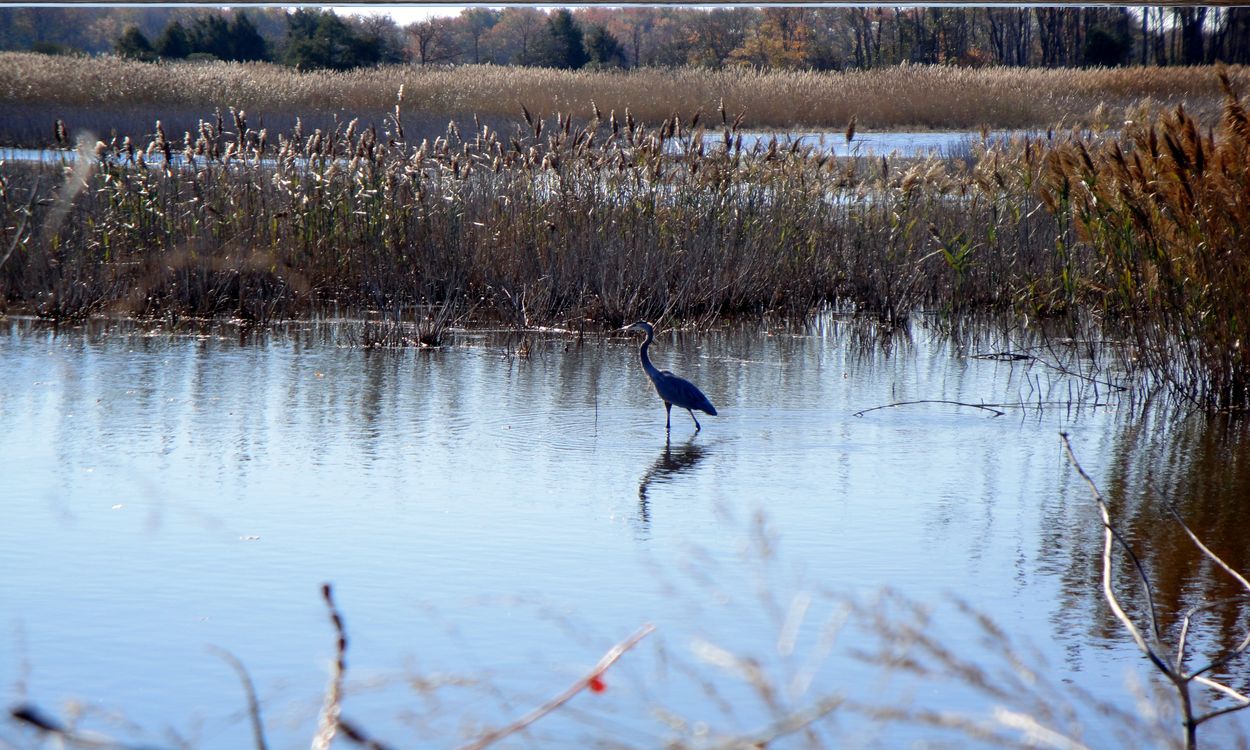
Have you ever wondered what makes Prime Hook National Wildlife Refuge in Delaware a haven for bird research? This unique spot offers a blend of diverse habitats, from marshes to forests, attracting a wide variety of bird species. Researchers flock here to study migration patterns, nesting behaviors, and population dynamics. The refuge's rich biodiversity provides endless opportunities for scientific discovery. Whether you're a bird enthusiast or just curious about nature, Prime Hook offers a fascinating glimpse into the world of avian research. Ready to learn more about what makes this place so special? Let's dive into the secrets of bird research at Prime Hook.
Discovering Prime Hook National Wildlife Refuge
Prime Hook National Wildlife Refuge in Delaware is a haven for bird enthusiasts and researchers alike. This 10,000-acre refuge offers a unique blend of salt marshes, freshwater wetlands, and upland habitats. Let's explore some of the best spots for bird research within this natural sanctuary.
Prime Hook Beach
Prime Hook Beach is a fantastic spot for observing shorebirds and waterfowl. The beach's tidal flats and marshes attract a variety of species, making it a prime location for bird research.
- Prime Hook Beach: This area is perfect for studying migratory patterns of shorebirds. During migration seasons, you can spot species like the Red Knot and Piping Plover.
Fleetwood Pond
Fleetwood Pond is a serene freshwater pond surrounded by lush vegetation. It provides an excellent environment for studying freshwater bird species.
- Fleetwood Pond: Ideal for observing waterfowl such as ducks and geese. The pond's calm waters make it easy to spot and study these birds up close.
Headquarters Area
The Headquarters Area of Prime Hook Refuge is not just for administrative purposes. It also offers some great bird-watching opportunities.
- Headquarters Area: This spot is great for observing songbirds and raptors. The mix of open fields and wooded areas attracts a diverse range of species.
Turkle Pond
Turkle Pond is another freshwater habitat within the refuge. It's a bit more secluded, making it a peaceful spot for bird research.
- Turkle Pond: Perfect for studying herons and egrets. The pond's shallow waters provide an ideal feeding ground for these wading birds.
Broadkill Beach
Broadkill Beach is located on the eastern edge of the refuge. Its sandy shores and adjacent marshes are a magnet for various bird species.
- Broadkill Beach: Excellent for observing gulls, terns, and other seabirds. The beach's proximity to the ocean makes it a hotspot for coastal bird research.
Petersfield Ditch
Petersfield Ditch is a man-made waterway that runs through the refuge. It offers a unique habitat for both aquatic and terrestrial birds.
- Petersfield Ditch: Great for studying kingfishers and other fish-eating birds. The ditch's clear waters make it easy to observe these birds in action.
Prime Hook Creek
Prime Hook Creek winds its way through the refuge, providing a diverse range of habitats along its banks.
- Prime Hook Creek: Ideal for observing a variety of bird species, from waterfowl to songbirds. The creek's meandering path creates numerous microhabitats for different birds.
Slaughter Beach
Slaughter Beach, located near the refuge, is another excellent spot for bird research. Its unique location offers a mix of coastal and marsh habitats.
- Slaughter Beach: Perfect for studying horseshoe crabs and the birds that feed on them, like the Red Knot. This beach is a key site for understanding the relationship between these species.
Prime Hook Impoundments
The impoundments at Prime Hook Refuge are managed wetlands that provide critical habitat for many bird species.
- Prime Hook Impoundments: Excellent for observing a variety of waterfowl and shorebirds. These managed wetlands are crucial for bird conservation and research.
Prime Hook Boardwalk
The boardwalk at Prime Hook Refuge offers an accessible way to explore the wetlands and observe birds in their natural habitat.
- Prime Hook Boardwalk: Great for studying marsh birds like rails and bitterns. The boardwalk allows for close-up observation without disturbing the birds.
Prime Hook Visitor Center
The Visitor Center at Prime Hook Refuge is not just an information hub. It also offers some great bird-watching opportunities right outside its doors.
- Prime Hook Visitor Center: Ideal for observing feeder birds and other species attracted to the center's landscaped grounds. This spot is perfect for beginners and seasoned birders alike.
The Importance of Prime Hook Refuge
Prime Hook Refuge stands out as a vital haven for bird research. Its diverse habitats support countless species, making it a key site for scientists and bird enthusiasts alike. The refuge's efforts in conservation and research help protect these birds and their environments, ensuring future generations can enjoy and learn from them.
Visiting Prime Hook offers a unique chance to witness these efforts firsthand. Whether you're a seasoned birder or just curious, the refuge provides an educational and inspiring experience. The work done here not only benefits the birds but also enriches our understanding of nature.
Supporting places like Prime Hook is crucial. By doing so, we contribute to the preservation of wildlife and the advancement of scientific knowledge. So next time you're in Delaware, consider a trip to Prime Hook Refuge. It's more than just a visit; it's a step towards conservation.
