

Secrets Of Bird Migration In Delaware’s Climate Research
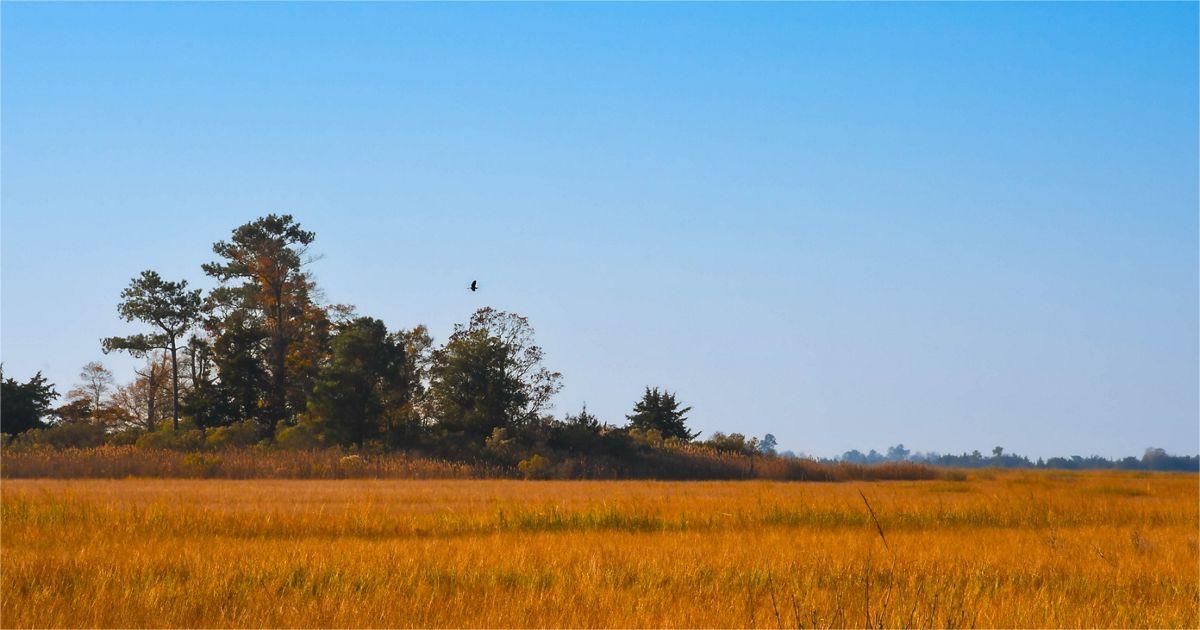
Have you ever wondered why Delaware is a hotspot for bird migration? The state's unique climate and geography create the perfect conditions for many bird species to stop and rest during their long journeys. Delaware's coastal areas, wetlands, and forests offer a variety of habitats that attract birds from all over. Each year, thousands of birds pass through, making it a birdwatcher's paradise. Whether you're a seasoned birder or just curious, understanding the patterns of bird migration in Delaware can be both exciting and educational. Let's dive into the secrets behind this natural phenomenon and see what makes Delaware so special for our feathered friends.
Secrets of Bird Migration in Delaware's Climate Research
Bird migration is a fascinating phenomenon, and Delaware's unique climate makes it a hotspot for observing this natural wonder. Researchers have identified several key locations where bird migration can be studied in detail. Let's explore these spots and uncover the secrets they hold.
Prime Locations for Bird Migration Studies
Delaware offers several prime locations for observing bird migration. Each spot provides unique insights into how climate affects these incredible journeys.
Bombay Hook National Wildlife Refuge
Bombay Hook is a haven for migratory birds. Its diverse habitats, including tidal salt marshes and freshwater impoundments, attract a wide variety of species.
- Spring and Fall Migrations: Witness large flocks of shorebirds and waterfowl.
- Research Opportunities: Ideal for studying the impact of climate change on bird populations.
Cape Henlopen State Park
Cape Henlopen's coastal location makes it a critical stopover for migratory birds. The park's varied ecosystems support a rich diversity of avian life.
- Hawk Watch: Observe raptors during their migration.
- Banding Station: Participate in bird banding and data collection.
Prime Hook National Wildlife Refuge
Prime Hook's extensive wetlands provide essential habitat for migratory birds. The refuge's management practices offer valuable data on how climate influences bird behavior.
- Waterfowl Migration: See thousands of ducks and geese.
- Habitat Restoration: Study the effects of wetland restoration on bird populations.
Delaware Bay
Delaware Bay is a crucial feeding ground for migratory shorebirds. The bay's rich mudflats teem with food, making it a vital stopover.
- Red Knot Migration: Witness the incredible journey of Red Knots as they refuel.
- Horseshoe Crab Spawning: Learn about the relationship between bird migration and horseshoe crab spawning.
White Clay Creek State Park
White Clay Creek offers a mix of forest and meadow habitats, attracting a variety of migratory birds. The park's trails provide excellent bird-watching opportunities.
- Songbird Migration: Spot warblers, thrushes, and other songbirds.
- Citizen Science: Engage in bird counts and monitoring projects.
Brandywine Creek State Park
Brandywine Creek's woodlands and meadows create a perfect environment for migratory birds. The park's diverse habitats support a wide range of species.
- Bird Banding: Participate in banding programs to track bird movements.
- Educational Programs: Attend workshops and guided bird walks.
Little Creek Wildlife Area
Little Creek's marshes and tidal creeks are prime habitats for migratory birds. The area's management practices provide insights into how climate affects bird populations.
- Shorebird Surveys: Conduct surveys to monitor shorebird populations.
- Habitat Management: Study the effects of habitat management on bird migration.
Killens Pond State Park
Killens Pond's mix of forest, pond, and meadow habitats attract a variety of migratory birds. The park's trails offer excellent bird-watching opportunities.
- Waterfowl Migration: Observe ducks, geese, and swans.
- Birding Events: Participate in birding festivals and guided walks.
Blackbird State Forest
Blackbird State Forest's diverse habitats support a wide range of migratory birds. The forest's trails provide excellent opportunities for bird-watching and research.
- Forest Birds: Spot woodpeckers, warblers, and other forest birds.
- Research Projects: Engage in long-term bird monitoring studies.
Augustine Wildlife Area
Augustine Wildlife Area's marshes and tidal creeks are critical habitats for migratory birds. The area's management practices offer valuable data on how climate influences bird behavior.
- Shorebird Migration: Monitor shorebird populations during migration.
- Habitat Restoration: Study the effects of habitat restoration on bird populations.
The Marvel of Bird Migration in Delaware
Bird migration in Delaware is a fascinating natural event. The state's diverse habitats, from coastal marshes to forests, provide essential stopover points for many species. Climate research shows how changing weather patterns affect these migrations, making Delaware a key area for studying these impacts. Observing these birds offers a unique opportunity to witness nature's resilience and adaptability. Conservation efforts are crucial to protect these habitats and ensure that future generations can continue to enjoy this spectacle. By understanding the challenges birds face during migration, we can better appreciate the delicate balance of our ecosystem. Delaware's role in bird migration highlights the importance of preserving natural environments. Whether you're a seasoned birdwatcher or a curious observer, witnessing this migration is a reminder of nature's incredible journeys.
