Rare Plant Secrets Of Delaware’s Trap Pond State Park
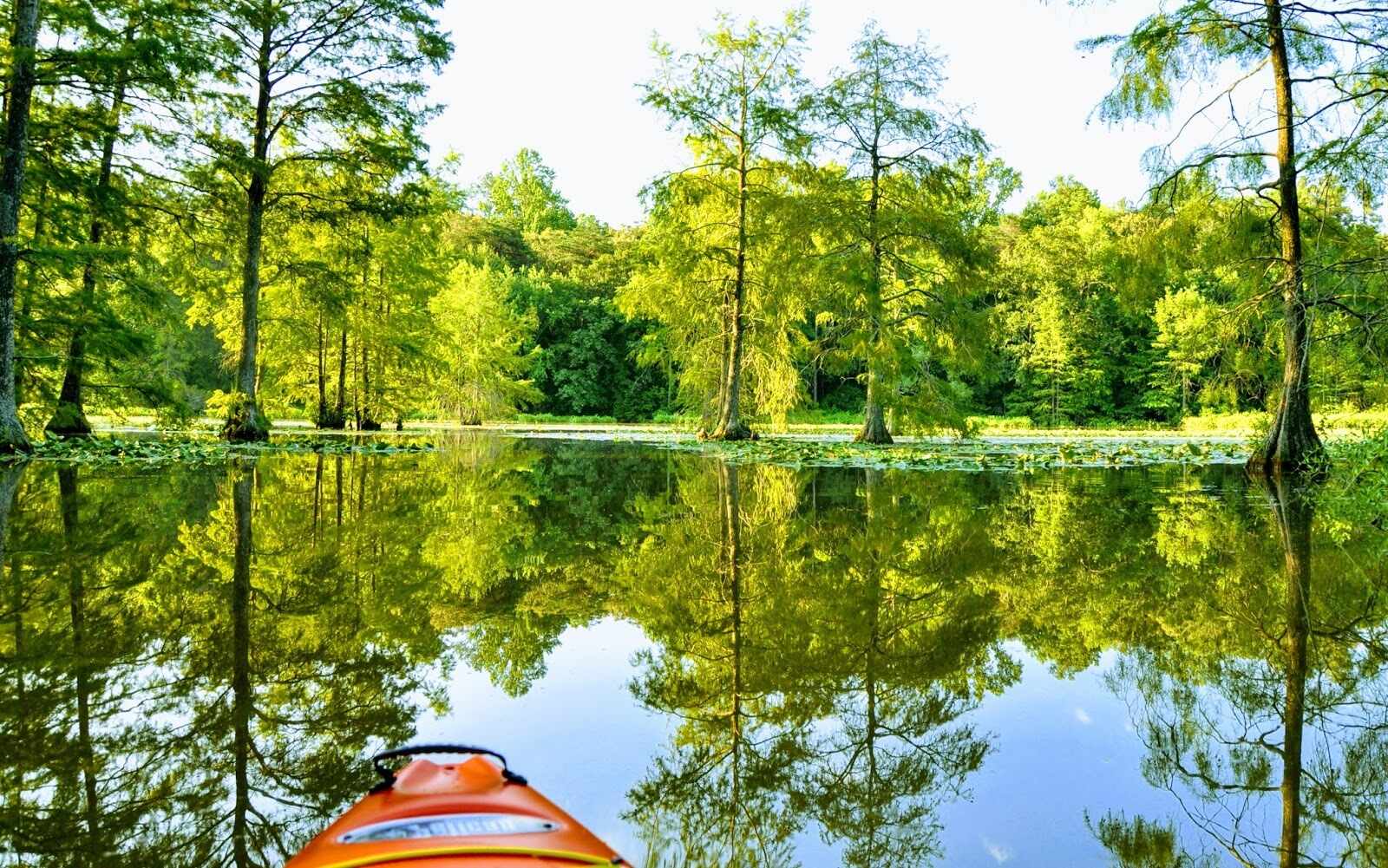
Have you ever wondered what makes Trap Pond State Park in Delaware so special? This hidden gem is home to some of the rarest plants in the region. Imagine walking through lush greenery, surrounded by towering bald cypress trees, some of which are over 100 years old. These ancient trees create a unique habitat for many rare plants. You might spot the delicate pitcher plants or the vibrant sundews, both of which are carnivorous and fascinating to observe. Whether you're a botany enthusiast or just love nature, Trap Pond State Park offers a unique glimpse into a world of rare and beautiful plants.
Hidden Gems of Trap Pond State Park
Trap Pond State Park in Delaware is a haven for nature lovers. This park is home to some of the rarest plants in the region. Let's take a closer look at these botanical treasures.
Bald Cypress Trees
Bald cypress trees are the stars of Trap Pond. These ancient trees create a mystical atmosphere with their towering presence.
- Bald Cypress Swamp: The swamp is a unique ecosystem where these trees thrive. Their knobby "knees" rise from the water, adding to the enchanting scenery.
Rare Orchids
Orchids are known for their beauty and rarity. Trap Pond hosts some of the most exquisite varieties.
Yellow Lady's Slipper: This orchid is a sight to behold with its bright yellow petals. It blooms in the spring, adding a splash of color to the park.
Showy Orchis: Another rare find, the showy orchis has delicate pink and white flowers. It prefers the shaded areas of the park.
Carnivorous Plants
Trap Pond is also home to some fascinating carnivorous plants. These plants have adapted to the nutrient-poor soil by trapping and digesting insects.
Pitcher Plants: These plants have tube-like leaves that trap insects. They are usually found in the boggy areas of the park.
Sundews: Sundews have sticky, glandular hairs that catch insects. They are small but mighty, adding to the park's biodiversity.
Ferns and Mosses
Ferns and mosses add a lush, green layer to Trap Pond's landscape. They thrive in the park's moist environment.
Royal Fern: This fern is one of the largest in the park. Its fronds can reach up to six feet in length.
Sphagnum Moss: Sphagnum moss creates a soft, spongy carpet on the forest floor. It plays a crucial role in maintaining the park's wetland ecosystem.
Wildflowers
Wildflowers bring bursts of color to Trap Pond. They bloom in different seasons, ensuring there's always something beautiful to see.
Cardinal Flower: This bright red flower attracts hummingbirds and butterflies. It blooms in late summer, adding a vibrant touch to the park.
Trillium: Trillium flowers have three petals and come in various colors. They are a springtime favorite among visitors.
Conclusion
Trap Pond State Park is a botanical wonderland. From towering bald cypress trees to delicate orchids, the park offers a glimpse into the diverse plant life of Delaware. Whether you're a seasoned botanist or a casual nature enthusiast, Trap Pond has something to captivate everyone.
Discovering Delaware's Hidden Green Gems
Trap Pond State Park offers a unique glimpse into Delaware's natural beauty. The park's rare plants, like the bald cypress trees and water lilies, create a magical atmosphere. Exploring the park's trails, visitors can find pitcher plants and sundews, which are fascinating carnivorous plants. These plants thrive in the park's wetland environment, making it a special place for nature lovers.
Birdwatchers will also enjoy the park, as it is home to many bird species. The serene pond and lush greenery provide a perfect backdrop for a peaceful day outdoors. Whether you're a plant enthusiast or just looking for a beautiful place to relax, Trap Pond State Park has something for everyone.
Plan a visit to Trap Pond State Park to experience Delaware's hidden green gems. The park's rare plants and tranquil setting offer a refreshing escape from everyday life.