Secrets Of Connecticut’s Abandoned Silk Mill Towns
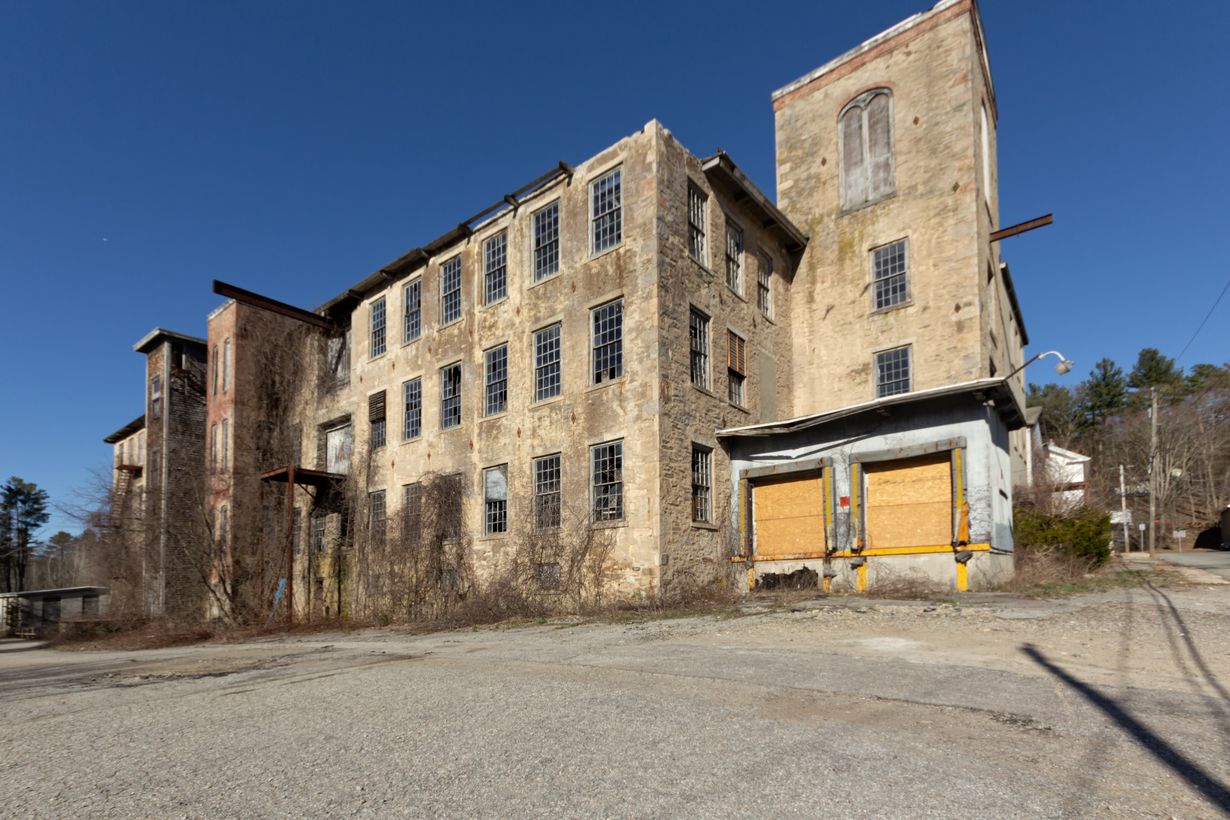
Have you ever wondered about the hidden stories behind Connecticut's abandoned silk mill towns? These once-thriving communities were the heart of the silk industry in the United States. Today, they stand as eerie yet fascinating reminders of a bygone era. Imagine walking through old factories where the hum of machines has long been silenced, or exploring empty streets that once bustled with workers. These towns offer a unique glimpse into the past, showing how industry shaped local life. Whether you're a history buff or just curious, these forgotten places have stories waiting to be told.
Secrets of Connecticut's Abandoned Silk Mill Towns
Connecticut, known for its charming small towns and rich history, holds a lesser-known secret: abandoned silk mill towns. These places, once bustling with activity, now stand as silent witnesses to a bygone era. Let's uncover some of these hidden gems.
1. Willimantic
Willimantic, often called the "Thread City," was once a thriving hub for silk production. The Willimantic Linen Company, established in the 19th century, played a significant role in the town's economy. Today, remnants of the mill buildings and worker housing offer a glimpse into its industrious past.
2. Mansfield Hollow
Nestled near the Mansfield Hollow State Park, this area was home to several silk mills. The ruins of these mills can still be found along the hiking trails, providing an eerie yet fascinating look into the past. The park itself offers beautiful scenery and a peaceful escape.
3. Rockville
Rockville, a village within Vernon, was once a major player in the silk industry. The Hockanum Mills, among others, contributed to its growth. Though many mills have been repurposed or demolished, some structures remain, telling the story of a once-thriving industry.
4. South Coventry
South Coventry, part of the town of Coventry, housed the Kenyon Mill, a significant silk producer. The mill buildings, now in various states of decay, stand as a testament to the town's industrial heritage. The nearby Coventry Lake adds to the area's charm.
5. Baltic
Baltic, a village in Sprague, was home to the Baltic Mills Company. This mill complex was one of the largest in the state. Though the mills are no longer operational, the village retains much of its historical character, with several buildings still standing.
6. Moosup
Moosup, part of Plainfield, had a vibrant silk industry in the late 19th and early 20th centuries. The Moosup Mills, now abandoned, offer a hauntingly beautiful look at the past. The village itself is quaint, with a few remaining historical structures.
7. Stafford Springs
Stafford Springs, known for its mineral springs, also had a significant silk industry. The Stafford Springs Silk Company was a major employer. While the mills are no longer in use, the town's historical district preserves much of its industrial heritage.
8. Thompson
Thompson, located in the northeastern corner of Connecticut, had several silk mills, including the Grosvenordale Company. The ruins of these mills can be found along the Quinebaug River, offering a picturesque yet somber reminder of the town's past.
9. Putnam
Putnam, another town with a rich industrial history, was home to the Cargill Falls Mill, one of the oldest in the state. Though the mill has seen better days, it remains a significant historical site, with efforts underway to preserve its legacy.
10. Norwich
Norwich, a city with a diverse industrial past, also had a thriving silk industry. The Ponemah Mills in the Taftville section were among the largest in the world. While the mills have been repurposed, they remain a prominent feature of the city's landscape.
The Timeless Allure of Connecticut's Silk Mill Towns
Connecticut's abandoned silk mill towns offer a unique glimpse into the past. These towns, once bustling with activity, now stand as silent witnesses to history. Exploring places like Willimantic and Manchester reveals the state's rich industrial heritage. The old mills, though no longer in use, still hold a certain charm. They remind us of a time when silk production was a major industry. Visiting these towns is like stepping back in time. You can almost hear the hum of the looms and the chatter of workers. These towns are more than just relics; they are a testament to human ingenuity and hard work. Whether you're a history buff or just looking for a unique day trip, Connecticut's silk mill towns are worth a visit. They offer a peaceful escape and a chance to reflect on the past.