

Secrets Of Connecticut River Mills’ Mill Wheel Housing
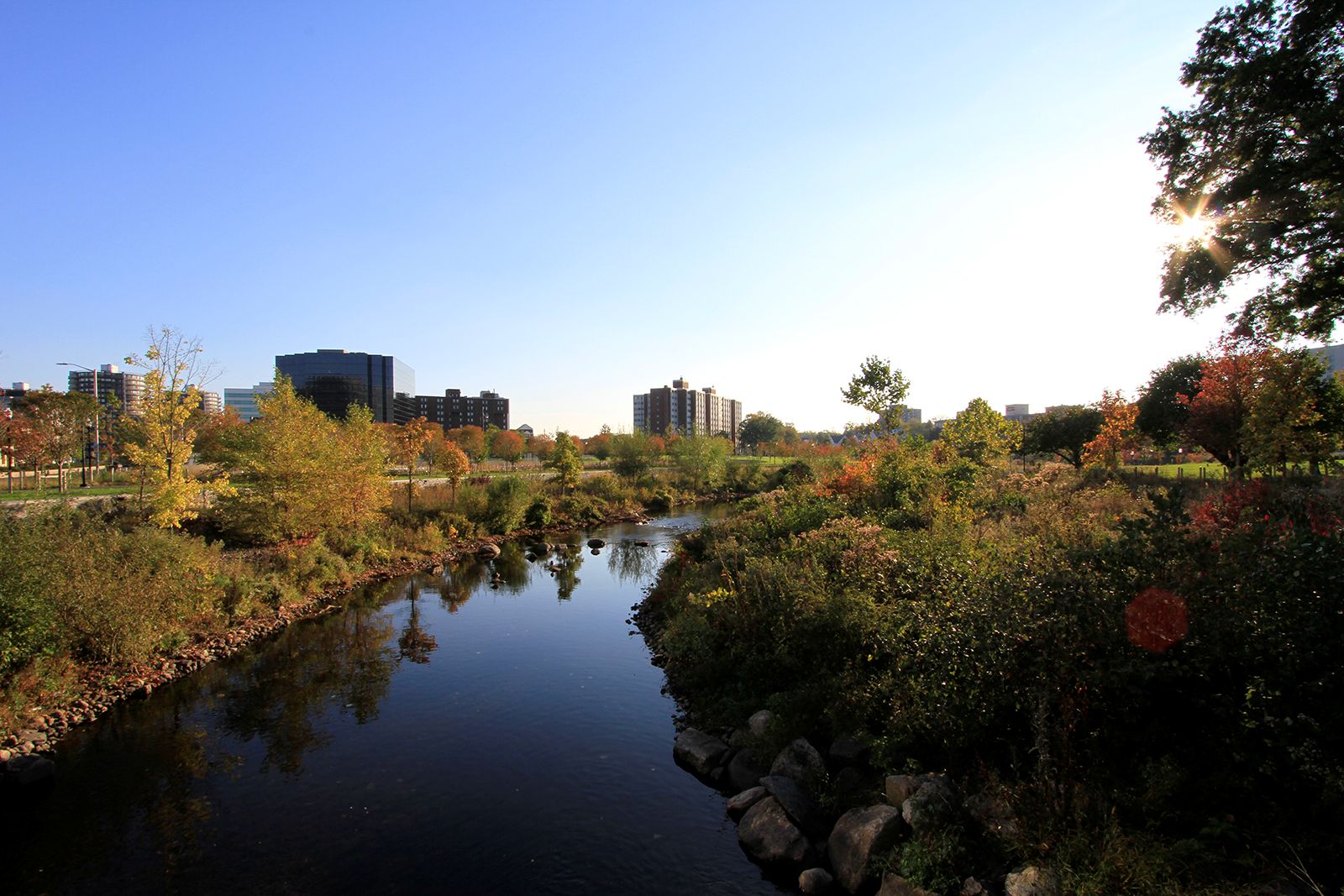
Have you ever wondered about the hidden stories behind the mill wheel housing in Connecticut River Mills? These structures, often overlooked, hold a rich history that dates back to the early days of American industry. The mill wheel housing played a crucial role in powering the mills that once dotted the Connecticut River, driving the machinery that produced textiles, paper, and other goods. Today, many of these historic sites still stand, offering a glimpse into the past and the ingenuity of early American engineers. Whether you're a history buff or just curious, exploring these mill wheel housings can be a fascinating journey into the heart of Connecticut's industrial heritage.
Connecticut River Mills: A Glimpse into History
Connecticut River Mills have a rich history, with mill wheel housing playing a crucial role in their operation. These structures, often overlooked, are fascinating pieces of engineering. Let's dive into some of the most intriguing mill wheel housings along the Connecticut River.
1. Old Newgate Prison & Copper Mine
This site in East Granby is more than just an old prison. The mill wheel housing here is a testament to early American ingenuity. Originally used for copper mining, the wheel housing powered various operations within the prison complex.
2. Collins Company Axe Factory
Located in Collinsville, this factory was once the world's largest axe manufacturer. The mill wheel housing here is a marvel of industrial design, showcasing how water power was harnessed to produce tools that shaped America.
3. Wethersfield Cove Mill
In Wethersfield, this mill wheel housing is a hidden gem. Nestled by the cove, it once powered a bustling gristmill. Today, it stands as a reminder of the town's agricultural past and the importance of water power in early industry.
4. Windsor Locks Canal Company
The mill wheel housing at Windsor Locks is part of a larger canal system designed to bypass the Enfield Falls. This engineering feat allowed for smoother navigation and powered several mills, contributing to the area's economic growth.
5. East Haddam Swing Bridge Mill
This unique site features a mill wheel housing that once powered the machinery for the swing bridge. The bridge itself is a marvel, but the wheel housing is a hidden piece of the puzzle that made its operation possible.
6. Essex Steam Train & Riverboat
In Essex, the steam train and riverboat attraction includes a historic mill wheel housing. This site offers a glimpse into how water power was used to support transportation and industry along the river.
7. Gillette Castle State Park
This park in East Haddam is home to a unique mill wheel housing that once powered the castle's various needs. Built by actor William Gillette, the castle and its mill wheel housing are a quirky yet fascinating part of Connecticut's history.
8. Pratt & Whitney Aircraft Company
In East Hartford, the mill wheel housing at the original Pratt & Whitney site is a nod to the company's early days. Before becoming a giant in the aerospace industry, the company relied on water power to manufacture precision tools.
9. Middletown's Russell Library
The mill wheel housing here is part of the library's historic charm. Once used to power a local mill, it now stands as a piece of Middletown's rich industrial heritage.
10. Holyoke's Hadley Falls Company
Though technically in Massachusetts, this site is closely tied to the Connecticut River. The mill wheel housing here was part of a massive industrial complex that harnessed the river's power to fuel the region's growth.
The Legacy of Connecticut River Mills' Mill Wheel Housing
Connecticut River Mills' mill wheel housing stands as a testament to the ingenuity and craftsmanship of the past. These structures, once the heart of bustling industrial activity, now offer a glimpse into a bygone era. The mill wheels, powered by the river's flow, played a crucial role in shaping the region's economy and culture. Today, they serve as historical landmarks, reminding us of the hard work and innovation that fueled progress. Visiting these sites provides a unique opportunity to appreciate the blend of natural beauty and human achievement. Whether you're a history buff or simply curious, exploring these mills offers a fascinating journey through time. The legacy of Connecticut River Mills' mill wheel housing continues to inspire and educate, preserving an important chapter in our shared heritage.
