

Hidden Whaling Station Ruins Along Connecticut’s Mystic River
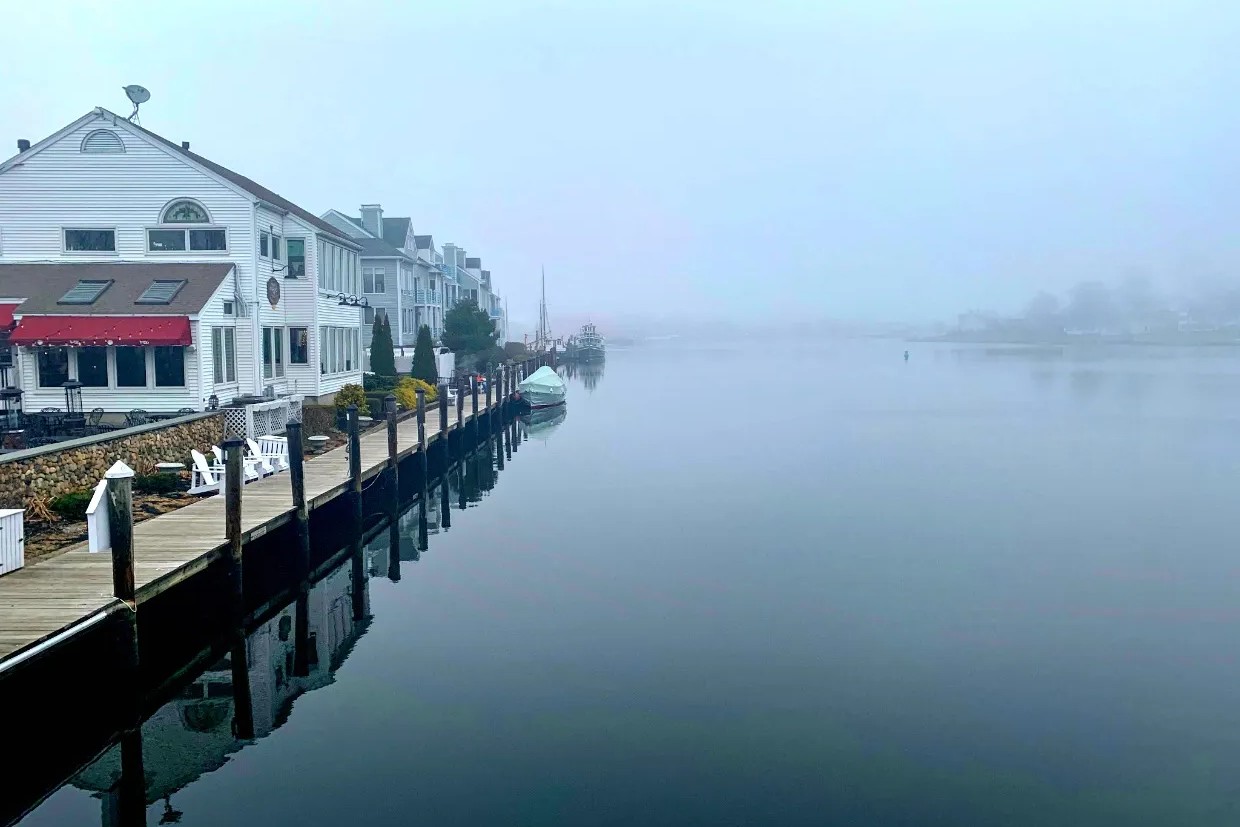
Have you ever wondered about the hidden history along Connecticut's Mystic River? Tucked away from the bustling tourist spots, the whaling station ruins offer a glimpse into a bygone era. These remnants tell stories of brave sailors, massive whales, and a thriving industry that once dominated the area. Walking through these ruins, you can almost hear the echoes of the past. It's a perfect spot for history buffs, nature lovers, and anyone curious about the maritime heritage of New England. Ready to step back in time and explore the secrets of the Mystic River? Let's dive into the fascinating world of whaling station ruins.
Discovering Connecticut's Hidden Whaling History
Connecticut's Mystic River holds secrets from the past, especially the remnants of old whaling stations. These ruins tell stories of a time when whaling was a major industry. Let's explore some of these hidden gems.
1. Mystic Seaport Museum
The Mystic Seaport Museum is a great starting point. It offers a glimpse into the whaling era with its preserved ships and exhibits. Walking through the museum, you can almost hear the echoes of sailors preparing for long voyages.
2. Old Mystic Village
Old Mystic Village isn't just a shopping spot. Hidden among its quaint shops are remnants of the past. Some buildings date back to the whaling days, offering a peek into the lives of those who lived and worked along the river.
3. Enders Island
Enders Island, a peaceful retreat, hides more than just scenic views. The island once played a role in the whaling industry. Exploring its grounds, you might stumble upon old foundations and artifacts from that era.
4. Noank Shipyard
Noank Shipyard, still active today, has a rich history. It was once a bustling hub for building and repairing whaling ships. Walking through the shipyard, you can imagine the craftsmen at work, shaping the vessels that would sail the seas.
5. Stonington Borough
Stonington Borough, with its charming streets, holds many secrets. The borough was a key player in the whaling industry. Some old buildings and docks still stand, whispering tales of the past to those who listen closely.
6. Groton Long Point
Groton Long Point, known for its beautiful beaches, also has a hidden history. The area was once dotted with whaling stations. Exploring the shoreline, you might find remnants of these old stations, offering a glimpse into a bygone era.
7. Mason's Island
Mason's Island, a serene spot, was once a bustling whaling station. The island's quiet paths and old structures tell stories of the whalers who lived and worked there. It's a place where history and nature intertwine.
8. Mystic River Park
Mystic River Park, a popular spot for picnics and boat watching, has a hidden past. The park area was once part of the whaling industry. Walking along the riverbank, you might find traces of old docks and buildings, hinting at its historical significance.
Discovering History Along the Mystic River
Exploring the hidden whaling station ruins along Connecticut's Mystic River offers a unique glimpse into the past. These remnants tell stories of a bygone era when whaling was a significant industry. Walking through these ruins, you can almost hear the echoes of sailors and see the bustling activity that once defined this place. It's a chance to connect with history in a tangible way, making it more than just a lesson from a textbook. Whether you're a history buff or just curious, visiting these sites provides a meaningful experience. Next time you're near Mystic River, take a moment to step back in time and appreciate the rich heritage that shaped the area. This journey through history is not just educational but also deeply enriching, leaving you with a greater appreciation for the past.
