Secrets Of Colorado’s Rocky Mountain Park Fire Ecology
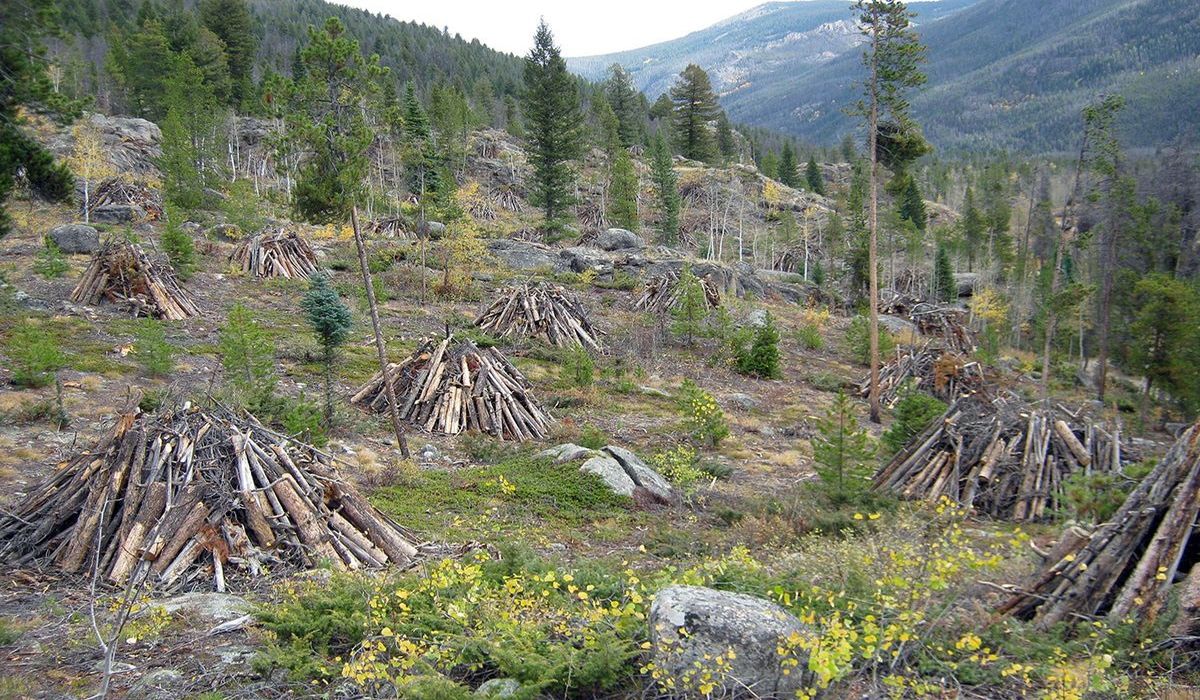
Have you ever wondered how fire ecology shapes the stunning landscapes of Rocky Mountain National Park? This park, known for its breathtaking views and diverse wildlife, relies on fire as a natural part of its ecosystem. Fires may seem destructive, but they play a crucial role in maintaining the health of forests. They clear out old vegetation, make way for new growth, and even help some plants release seeds. Understanding fire ecology helps us appreciate the balance between destruction and renewal. Let's dive into the fascinating world of fire ecology in Rocky Mountain National Park and see how it keeps this natural wonder thriving.
Understanding Fire Ecology in Rocky Mountain National Park
Fire ecology plays a crucial role in maintaining the health and diversity of ecosystems. In Rocky Mountain National Park, fire is a natural and necessary process. It helps rejuvenate the landscape, promotes new growth, and maintains the balance of plant and animal communities. Let's explore some key areas in the park where fire ecology is most evident.
1. Moraine Park
Moraine Park is a stunning valley known for its lush meadows and abundant wildlife. Fire has shaped this area over centuries, creating a diverse habitat that supports a variety of plant and animal species. Controlled burns are often used here to manage vegetation and reduce the risk of larger, uncontrolled wildfires.
2. Bear Lake
Bear Lake is a popular destination for visitors, offering breathtaking views and numerous hiking trails. Fire ecology is evident in the surrounding forests, where periodic fires have cleared out underbrush and allowed sunlight to reach the forest floor. This promotes the growth of new plants and provides food and shelter for wildlife.
3. Fern Lake
Fern Lake is another area where fire has played a significant role in shaping the landscape. The 2012 Fern Lake Fire burned over 3,500 acres, but the area has since shown remarkable recovery. New growth is thriving, and the fire has created a mosaic of different habitats that support a wide range of species.
4. Longs Peak
Longs Peak, the highest summit in the park, offers a unique perspective on fire ecology. The alpine tundra and subalpine forests here have adapted to fire over millennia. Fire helps maintain the delicate balance of these ecosystems by preventing the overgrowth of certain plant species and promoting biodiversity.
5. Wild Basin
Wild Basin is a less-visited area of the park, offering solitude and pristine natural beauty. Fire has played a crucial role in maintaining the health of its forests and meadows. Controlled burns are used to manage vegetation and reduce the buildup of flammable materials, helping to prevent larger, more destructive fires.
6. Glacier Gorge
Glacier Gorge is a dramatic landscape of towering cliffs and cascading waterfalls. Fire has helped shape the forests and meadows in this area, creating a patchwork of different habitats. This diversity supports a wide range of plant and animal species, making Glacier Gorge a prime example of the benefits of fire ecology.
7. Kawuneeche Valley
Kawuneeche Valley, located on the west side of the park, is a broad, glacially-carved valley. Fire has played a significant role in maintaining the health of its forests and meadows. The valley's ecosystem benefits from periodic fires, which help control invasive species and promote the growth of native plants.
8. Upper Beaver Meadows
Upper Beaver Meadows is a serene area known for its wildflowers and wildlife. Fire has helped maintain the open meadows and prevent the encroachment of trees and shrubs. This creates a diverse habitat that supports a variety of species, from elk to butterflies.
9. Sprague Lake
Sprague Lake is a picturesque spot with stunning views of the surrounding mountains. Fire has played a role in shaping the forests around the lake, promoting new growth and maintaining the health of the ecosystem. Controlled burns are used to manage vegetation and reduce the risk of larger wildfires.
10. Cub Lake
Cub Lake is a beautiful area known for its lily pads and abundant wildlife. The 2012 Fern Lake Fire also affected this area, but it has since shown remarkable recovery. New growth is thriving, and the fire has created a mosaic of different habitats that support a wide range of species.
11. Trail Ridge Road
Trail Ridge Road offers breathtaking views and access to a variety of ecosystems. Fire has played a role in shaping the landscapes along this scenic drive, from the montane forests to the alpine tundra. Periodic fires help maintain the health and diversity of these ecosystems, promoting new growth and preventing the overgrowth of certain plant species.
Embracing the Fire Ecology of Rocky Mountain Park
Understanding fire ecology in Rocky Mountain National Park reveals the park's resilience and beauty. Fires, often seen as destructive, play a crucial role in maintaining healthy ecosystems. They clear out dead vegetation, make way for new growth, and create diverse habitats for wildlife.
Visitors can witness this natural cycle firsthand. Hiking through the park, you'll see areas recovering from past fires, showcasing nature's ability to regenerate. The park's management uses controlled burns to mimic natural fire cycles, ensuring the landscape remains vibrant and balanced.
Next time you visit, appreciate the role fire plays in shaping this stunning environment. It's a reminder of nature's power and the importance of preserving these natural processes. Embrace the beauty and resilience of Rocky Mountain National Park, knowing that fire is a vital part of its story.