

Secrets Of Colorado’s Canyon Pintado Petroglyphs
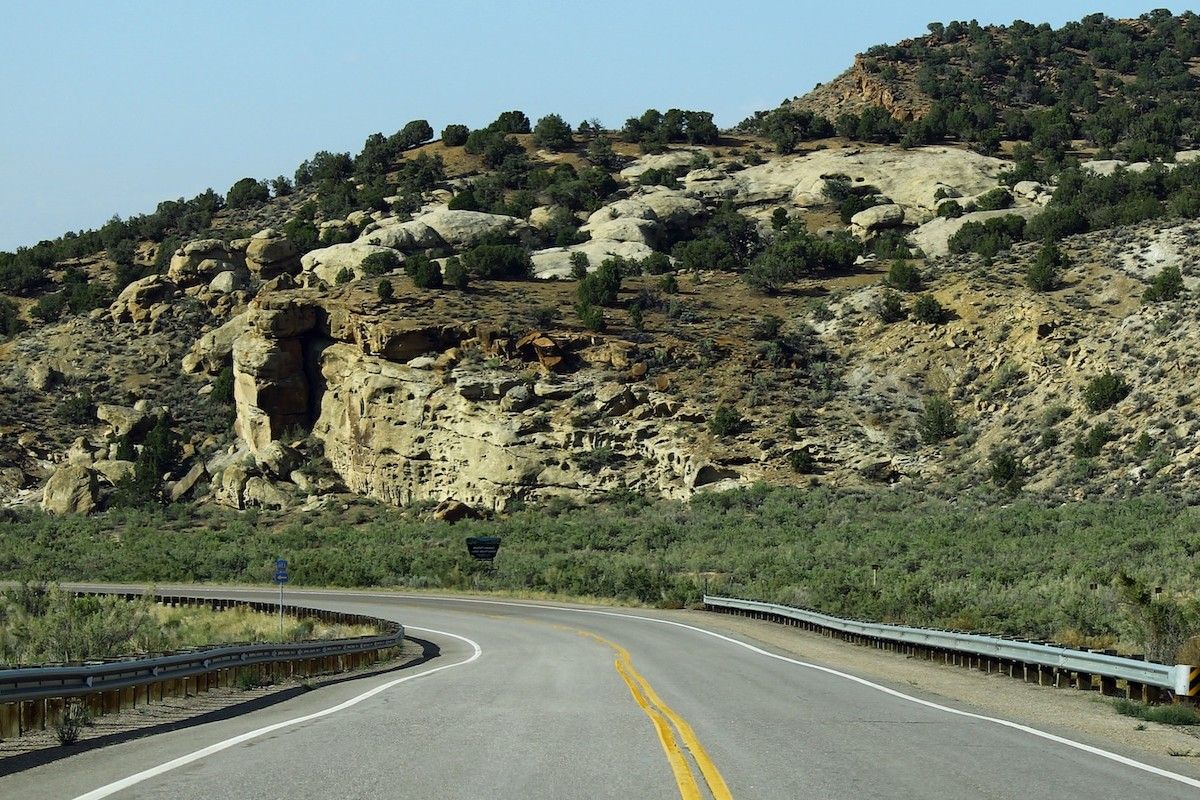
Have you ever wondered about the ancient stories etched into the rocks of Colorado? Canyon Pintado Petroglyphs offer a glimpse into the lives of the people who lived there thousands of years ago. Located in the rugged landscape of northwestern Colorado, these rock carvings tell tales of hunting, rituals, and daily life. The name "Canyon Pintado" means "Painted Canyon" in Spanish, reflecting the vibrant history captured in these stone canvases. Visiting this site is like stepping back in time, where each petroglyph holds a piece of the past. Ready to uncover the mysteries of these ancient artworks? Let's dive in!
Discovering the Hidden Gems of Canyon Pintado
Nestled in the rugged landscape of northwestern Colorado, Canyon Pintado is a treasure trove of ancient petroglyphs. These rock carvings, created by the Fremont and Ute people, offer a glimpse into the lives and beliefs of those who lived here centuries ago. Let's explore some of the most fascinating sites within this historic area.
1. Carrot Men Panel
The Carrot Men Panel is one of the most iconic petroglyphs in Canyon Pintado. This site features human-like figures with elongated bodies, resembling carrots. These mysterious carvings are believed to represent spiritual beings or shamans.
2. Kokopelli Panel
Kokopelli, the humpbacked flute player, is a well-known figure in Native American mythology. The Kokopelli Panel in Canyon Pintado showcases this legendary character, often associated with fertility and agriculture. The intricate details of this petroglyph make it a must-see.
3. Sun Dagger Site
The Sun Dagger Site is a fascinating example of ancient astronomical knowledge. Here, petroglyphs align with the sun's rays during solstices and equinoxes, creating a "sun dagger" effect. This site demonstrates the advanced understanding of celestial events by the Fremont and Ute people.
4. Fremont Shield Site
The Fremont Shield Site features a large, circular shield design, surrounded by various symbols and figures. This petroglyph is thought to represent protection and strength. The intricate carvings provide insight into the artistic skills and cultural significance of shields in Fremont society.
5. Ute Horse Panel
The Ute Horse Panel depicts horses, which were introduced to the Ute people by Spanish explorers. This petroglyph illustrates the importance of horses in Ute culture, symbolizing mobility, trade, and status. The detailed carvings capture the essence of this transformative period in Ute history.
6. Crook's Brand Site
Crook's Brand Site features a unique petroglyph of a cattle brand, attributed to General George Crook, a prominent figure in the Indian Wars. This site highlights the intersection of Native American history and European influence in the region.
7. Snake Pit Panel
The Snake Pit Panel is an intriguing petroglyph site featuring serpentine figures. Snakes often symbolize transformation and healing in Native American culture. The intricate carvings at this site provide a glimpse into the spiritual beliefs of the Fremont and Ute people.
8. Guardian Panel
The Guardian Panel showcases a large, imposing figure believed to represent a protective spirit or deity. This petroglyph is thought to have been created to watch over the canyon and its inhabitants. The powerful imagery of the Guardian Panel is both awe-inspiring and thought-provoking.
9. White Birds Site
The White Birds Site features delicate carvings of birds in flight. These petroglyphs are believed to symbolize freedom and the connection between the earthly and spiritual realms. The graceful lines and intricate details make this site a favorite among visitors.
10. Warrior Panel
The Warrior Panel depicts a series of armed figures, showcasing the martial prowess of the Fremont and Ute people. This petroglyph site highlights the importance of warriors in protecting their communities and maintaining order. The dynamic poses and detailed weaponry make this panel a captivating piece of history.
11. Spiral Rock Site
The Spiral Rock Site features a large spiral design, a common motif in Native American art. Spirals often represent cycles, such as life, seasons, or celestial events. The mesmerizing pattern at this site invites contemplation and reflection on the interconnectedness of all things.
Discovering Ancient Stories
Canyon Pintado Petroglyphs offer a unique glimpse into the past. These ancient carvings tell stories of the people who once roamed Colorado. Visiting this site is like stepping back in time. The petroglyphs are not just art; they are history etched in stone. Exploring these carvings helps us understand the culture and life of ancient civilizations. It's a reminder of how humans have always sought to communicate and leave their mark. If you love history or just enjoy a good hike, Canyon Pintado is a must-see. The beauty of the landscape combined with the mystery of the petroglyphs makes for an unforgettable experience. So, pack your bags, grab your camera, and get ready to uncover the secrets of Colorado's ancient storytellers.
