

Hidden Stories Of Colorado’s Sand Creek Massacre Site
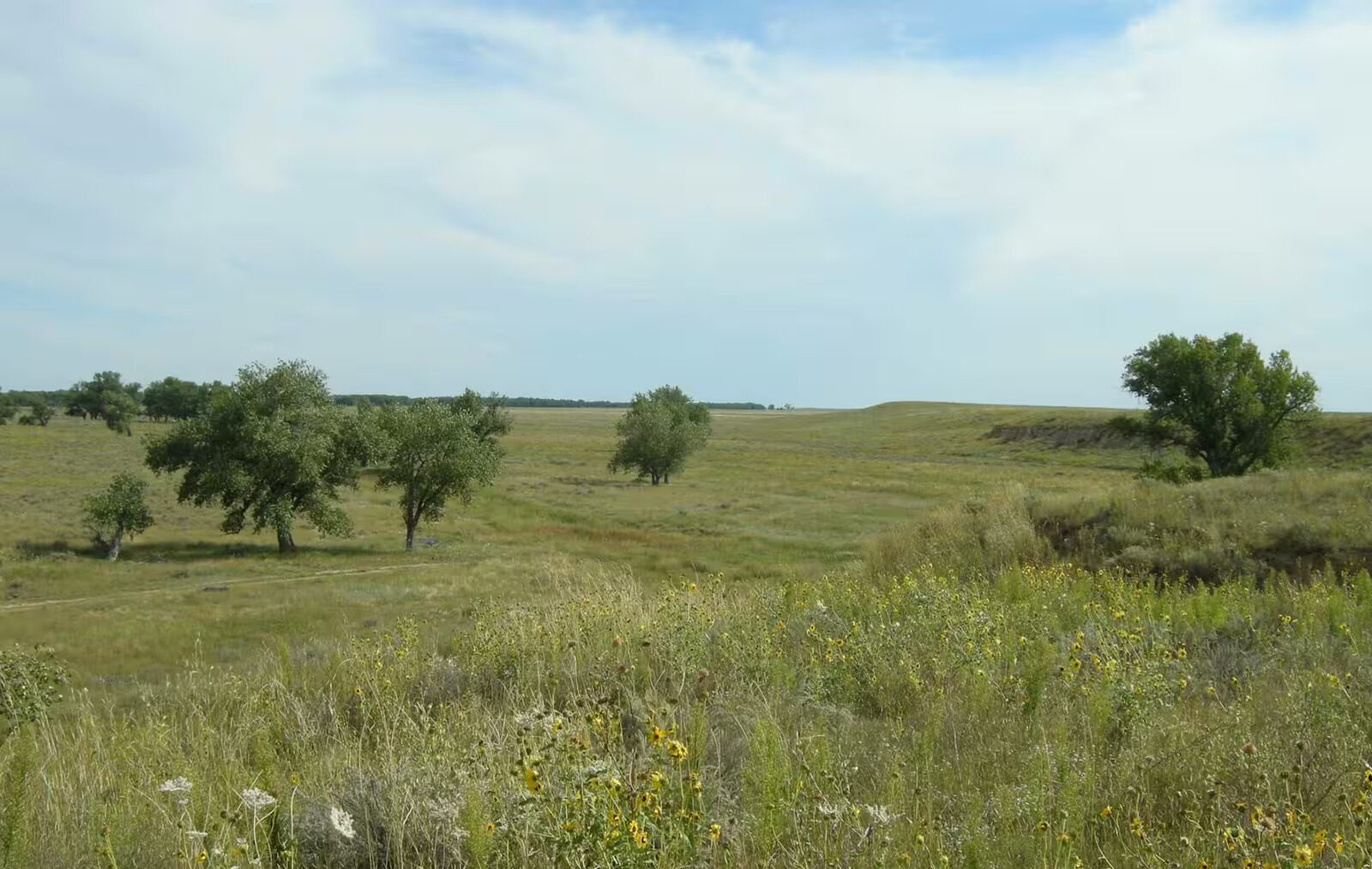
Have you ever heard of the Sand Creek Massacre Site in Colorado? This historic location holds deep stories from the past that many people don't know about. In 1864, a tragic event took place here, where hundreds of Cheyenne and Arapaho people were attacked. Today, the site stands as a reminder of that dark chapter in history. Visiting this place offers a chance to learn about the struggles and resilience of Native American communities. It's not just a historical site; it's a place for reflection and understanding. If you're curious about history and want to pay respects, this site is worth a visit.
The Historical Significance of Sand Creek
The Sand Creek Massacre site in Colorado holds a deep, often painful history. This location marks where, on November 29, 1864, a peaceful village of Cheyenne and Arapaho people was attacked by the Colorado Territory militia. Understanding this site involves exploring various key spots that tell the story of this tragic event.
Key Locations at the Sand Creek Massacre Site
Visiting the Sand Creek Massacre site offers a chance to reflect on history and honor those who suffered. Here are some significant places to explore:
Visitor Center
- Start here to gain an overview of the site's history. Exhibits and displays provide context about the events leading up to the massacre and its aftermath.
Monument Hill
- This hill offers a panoramic view of the massacre site. A monument stands here, commemorating the lives lost and serving as a place for reflection.
Massacre Site
- The heart of the site where the attack occurred. Walking through this area, you can almost feel the weight of history. Interpretive signs help visitors understand the events of that day.
Big Sandy Creek
- This creek was a vital water source for the Cheyenne and Arapaho people. It runs through the site, providing a natural landmark that connects past and present.
Cheyenne and Arapaho Village Sites
- Marked locations where the villages once stood. These areas offer a glimpse into the daily lives of the people who lived here before the attack.
Learning Through Memorials and Markers
Memorials and markers throughout the site help visitors grasp the scale and impact of the massacre. Each marker tells a piece of the story, creating a fuller picture of the events.
Memorial Plaques
- Scattered around the site, these plaques provide detailed accounts of individual experiences and broader historical context.
Survivor Stories
- Markers dedicated to the survivors of the massacre. These stories highlight resilience and the enduring spirit of the Cheyenne and Arapaho people.
Reflecting on the Past
The Sand Creek Massacre site is not just a place of historical interest; it is a space for reflection and education. By visiting these key locations, one can gain a deeper understanding of this tragic event and its lasting impact on American history.
Honoring the Past
Visiting the Sand Creek Massacre Site offers a chance to reflect on a tragic chapter in American history. This place stands as a reminder of the lives lost and the resilience of the Cheyenne and Arapaho people. Walking through the site, you can feel the weight of history and the importance of remembering these events.
The stories of Sand Creek are not just about the past but also about understanding and learning from it. By honoring those who suffered, we can strive for a more just and compassionate future. This site encourages visitors to think deeply about the impact of history on present-day society.
A visit here is more than a history lesson; it's a call to acknowledge and respect the experiences of those who came before us. Remembering Sand Creek helps ensure such tragedies are never forgotten.
