Hidden Snow Insights From Colorado’s Arctic Institute
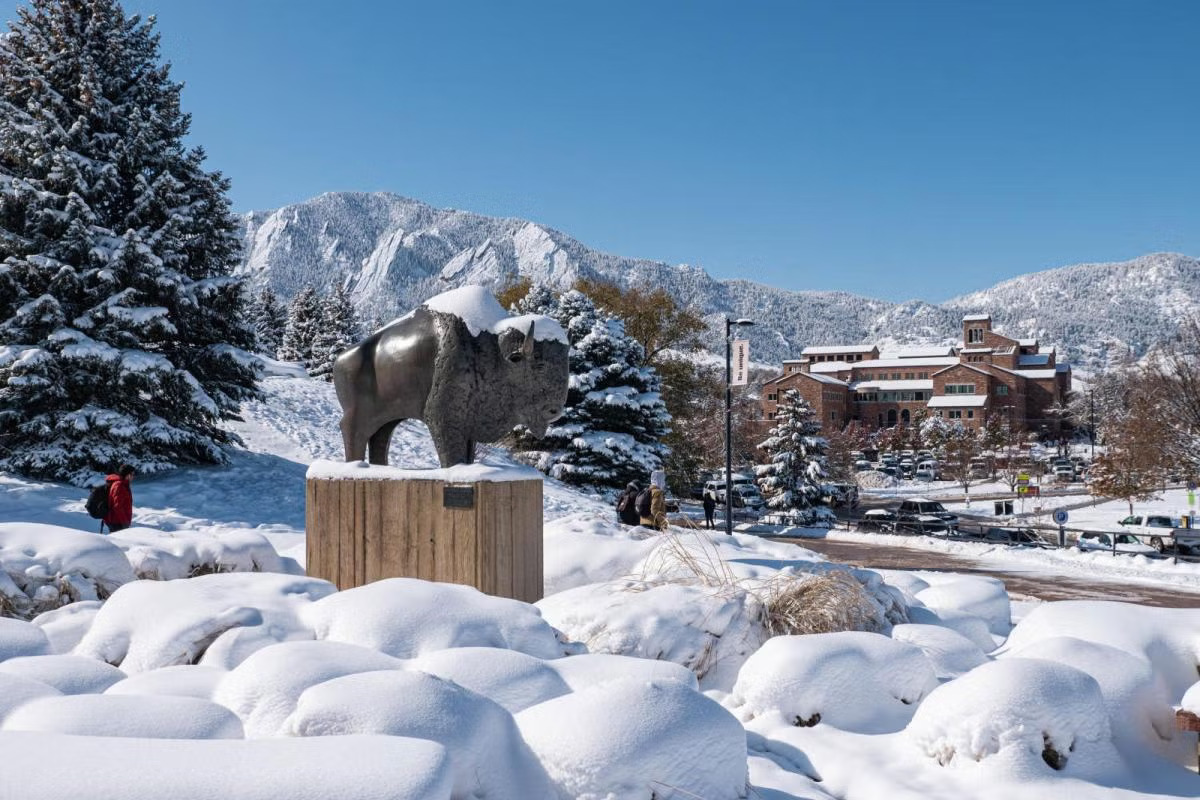
Have you ever wondered what makes Colorado's snow so special? The Arctic Institute of Colorado has been studying snow for years, uncovering fascinating details about its unique properties. From the fluffy powder that skiers love to the dense, wet snow perfect for snowball fights, Colorado's snow varies widely. This variation affects everything from winter sports to water supply. Understanding these differences can help you make the most of your winter adventures. Whether you're hitting the slopes or just enjoying a snowy day, knowing more about Colorado's snow can enhance your experience. Let's dive into the snowy secrets of this winter wonderland.
Hidden Snow Insights from Colorado's Arctic Institute
Colorado's Arctic Institute is a treasure trove of snowy wonders. From breathtaking landscapes to scientific marvels, this place offers a unique glimpse into the world of snow and ice. Let's dive into some of the hidden gems you can discover here.
Snowy Peaks and Glaciers
The Arctic Institute is surrounded by some of the most stunning snowy peaks and glaciers. These natural wonders are not just beautiful but also hold significant scientific value.
- Mount Elbert: The highest peak in Colorado, Mount Elbert offers a challenging climb and stunning views. It's a favorite among hikers and mountaineers.
- St. Mary's Glacier: This semi-permanent snowfield is perfect for year-round snow activities. It's a popular spot for hiking, skiing, and snowboarding.
- Longs Peak: Known for its iconic diamond-shaped face, Longs Peak is a must-visit for experienced climbers. The views from the summit are simply breathtaking.
Unique Snow Formations
Snow isn't just snow at the Arctic Institute. Here, you'll find unique formations that are both beautiful and scientifically intriguing.
- Snow Rollers: These rare cylindrical snow formations occur under specific conditions. They look like giant snow donuts and are a fascinating natural phenomenon.
- Frost Flowers: Delicate ice structures that form on the surface of thin ice or snow. They resemble flowers and are a photographer's dream.
- Sastrugi: Wind-sculpted snow ridges that create stunning patterns on the snow's surface. They are a testament to the power of nature's forces.
Wildlife in the Snow
The Arctic Institute is home to a variety of wildlife that has adapted to the snowy environment. Observing these creatures in their natural habitat is a unique experience.
- Snowshoe Hares: These hares have large, furry feet that act like snowshoes, allowing them to move easily on the snow. Their white winter coats provide excellent camouflage.
- Ptarmigans: These birds change color with the seasons, sporting white feathers in winter to blend in with the snow. They are a delight to spot.
- Mountain Goats: Known for their agility, mountain goats can be seen navigating the rocky, snowy terrain with ease. Their thick fur keeps them warm in the harsh conditions.
Scientific Research and Discoveries
The Arctic Institute is not just about natural beauty. It's also a hub for scientific research and discoveries related to snow and ice.
- Snow Chemistry Lab: Researchers here study the chemical composition of snow to understand its impact on the environment. Their findings are crucial for climate science.
- Ice Core Samples: Scientists extract ice cores to study past climate conditions. These samples provide valuable data on historical weather patterns.
- Avalanche Research Center: This center focuses on understanding and predicting avalanches. Their work helps improve safety measures for those venturing into snowy areas.
Snow Activities and Adventures
For those seeking adventure, the Arctic Institute offers a range of snow-related activities. Whether you're a thrill-seeker or just looking to enjoy the snow, there's something for everyone.
- Backcountry Skiing: Explore untouched snow and breathtaking landscapes. It's a thrilling experience for seasoned skiers.
- Snowshoeing Trails: Perfect for those who prefer a slower pace. These trails offer a peaceful way to explore the snowy wilderness.
- Ice Climbing: Test your skills on frozen waterfalls and ice formations. It's an adrenaline-pumping activity for adventure enthusiasts.
Cultural and Historical Significance
The Arctic Institute also has a rich cultural and historical background. Learning about the history of snow and ice in this region adds another layer to your visit.
- Indigenous Snow Lore: Discover the traditional knowledge and stories of indigenous peoples related to snow and ice. Their insights provide a deeper understanding of the environment.
- Historic Snow Cabins: Visit old cabins used by early explorers and settlers. These structures offer a glimpse into the past and the challenges faced by those who lived in snowy conditions.
- Snow Art Exhibits: Explore art inspired by snow and ice. These exhibits showcase the beauty and significance of snow in various cultures.
Embracing Colorado's Winter Wonders
Colorado's Arctic Institute offers a unique glimpse into the state's snowy secrets. From understanding snowpack dynamics to exploring the impact of climate change, the institute provides valuable insights for both researchers and outdoor enthusiasts. Visiting the institute can deepen your appreciation for winter's beauty and complexity. Whether you're a skier, snowboarder, or simply someone who loves the cold, learning about snow science can enhance your experience. The knowledge gained here not only enriches your adventures but also fosters a greater respect for nature. So next time you hit the slopes or trek through snowy trails, remember the hidden wonders beneath your feet. Embrace the opportunity to learn and explore, making your winter escapades even more memorable. Colorado's Arctic Institute is a treasure trove of information waiting to be discovered.