

Hidden Insights Of Colorado’s Mountain Research Program
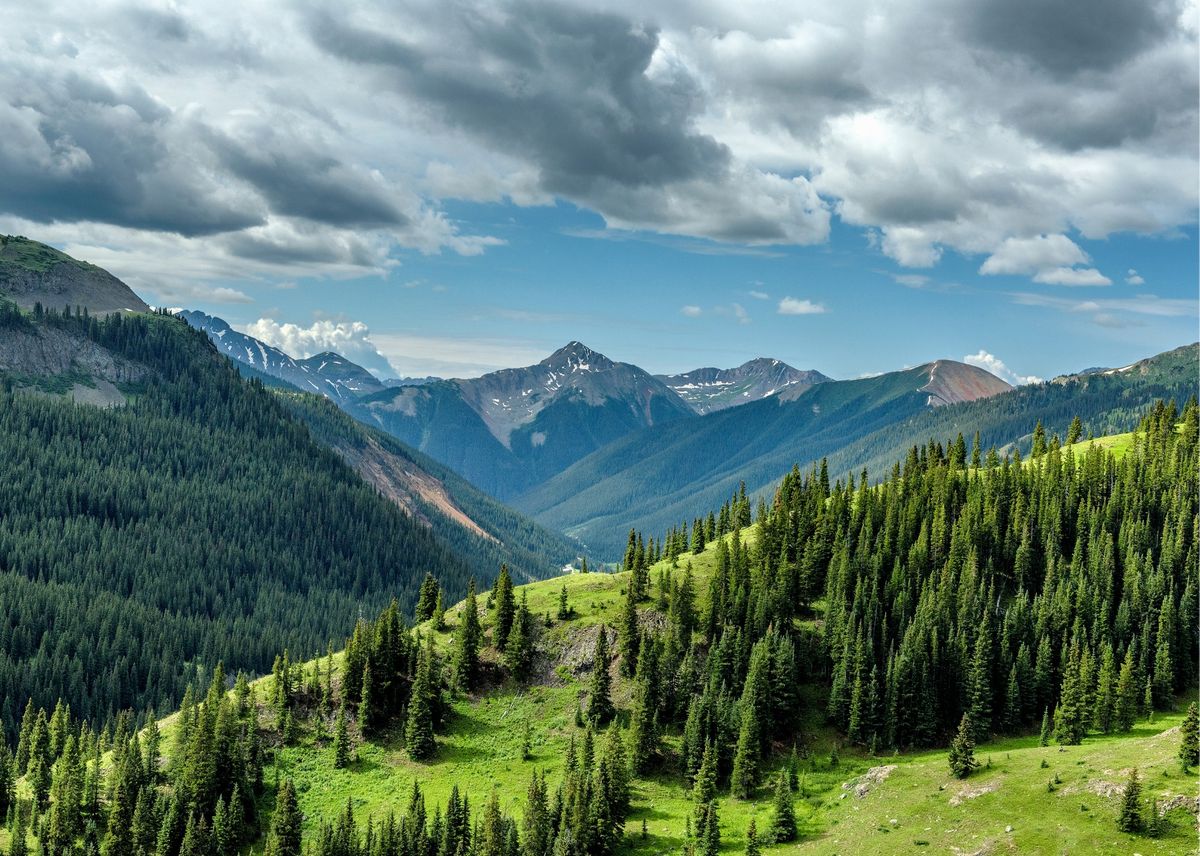
Have you ever wondered what goes on behind the scenes in Colorado's mountain research programs? These programs are crucial for understanding our environment. Scientists study everything from snowpack levels to wildlife behavior. This research helps predict weather patterns, manage water resources, and protect endangered species. Imagine hiking through the Rockies and knowing that each step contributes to valuable data. The Colorado mountain research program isn't just about science; it's about preserving nature for future generations. Whether you're a nature lover or a science enthusiast, learning about these efforts can be both exciting and educational. Ready to dive in? Let's explore more!
Discovering Colorado's Mountain Research Program
Colorado's Mountain Research Program offers a unique opportunity to explore the state's diverse ecosystems. From alpine tundra to lush forests, these research sites provide valuable insights into environmental changes and conservation efforts. Let's dive into some of the most fascinating locations within this program.
Alpine Research Sites
High-altitude environments present unique challenges and opportunities for researchers. These sites offer a glimpse into the resilience of life in extreme conditions.
Niwot Ridge
Located near Boulder, Niwot Ridge is a hub for studying alpine ecosystems. Researchers here focus on climate change impacts, snowpack dynamics, and plant adaptations.Gothic Research Station
Nestled in the Elk Mountains, Gothic Research Station is part of the Rocky Mountain Biological Laboratory. This site is ideal for studying high-altitude flora and fauna, as well as the effects of climate change on these ecosystems.
Forest Ecosystem Research
Forests are vital for biodiversity and carbon sequestration. Colorado's forest research sites help scientists understand these complex ecosystems better.
Fraser Experimental Forest
Situated in the Arapaho National Forest, Fraser Experimental Forest focuses on forest management practices, hydrology, and the effects of pests and diseases on tree populations.Manitou Experimental Forest
Located near Colorado Springs, this site studies ponderosa pine ecosystems. Researchers here examine fire ecology, forest regeneration, and the impacts of human activities on forest health.
Wetland and Riparian Research
Wetlands and riparian zones are crucial for water quality and wildlife habitat. Colorado's research sites in these areas provide essential data for conservation efforts.
San Luis Valley
This high-altitude valley is home to extensive wetlands and riparian zones. Researchers study water management, bird populations, and the effects of agricultural practices on wetland health.Cache la Poudre River
Flowing through northern Colorado, this river offers a natural laboratory for studying riparian ecosystems. Research focuses on water quality, fish populations, and the impacts of urbanization on river health.
Grassland Research Sites
Grasslands are often overlooked but play a crucial role in carbon storage and biodiversity. Colorado's grassland research sites shed light on these important ecosystems.
Pawnee National Grassland
Located in northeastern Colorado, this site is perfect for studying prairie ecosystems. Researchers examine grassland management, soil health, and the impacts of grazing on plant communities.Shortgrass Steppe Research and Interpretation Center
Situated near Nunn, this center focuses on shortgrass prairie ecosystems. Studies here include plant-animal interactions, soil carbon dynamics, and the effects of climate variability on grassland health.
Urban and Suburban Research
Urbanization poses significant challenges to natural ecosystems. Colorado's urban research sites help scientists understand these impacts and develop sustainable solutions.
Denver Urban Field Station
This site examines the effects of urbanization on local ecosystems. Research includes green infrastructure, urban wildlife, and the benefits of urban green spaces for human health.Boulder Creek Critical Zone Observatory
Located in Boulder, this observatory studies the interactions between water, soil, and living organisms in urban and suburban environments. Researchers focus on water quality, soil health, and the impacts of land use changes on ecosystem services.
Colorado's Mountain Research Program: A Treasure for Nature Lovers
Colorado's Mountain Research Program offers a unique chance to explore the state's stunning landscapes while contributing to important scientific work. Participants get hands-on experience in ecology, geology, and climate science. This program isn't just for scientists; it's perfect for anyone passionate about nature and eager to learn.
The program's blend of fieldwork and research provides a deeper understanding of mountain ecosystems. You'll work alongside experts, gaining insights that textbooks can't offer. Plus, the breathtaking scenery makes every moment memorable.
Whether you're a student, a professional, or simply an outdoor enthusiast, this program has something valuable to offer. It's a rare opportunity to make a real impact on environmental research while enjoying the beauty of Colorado's mountains. Don't miss out on this enriching experience.
