

Hidden Insights From Colorado’s Mountain Research Station
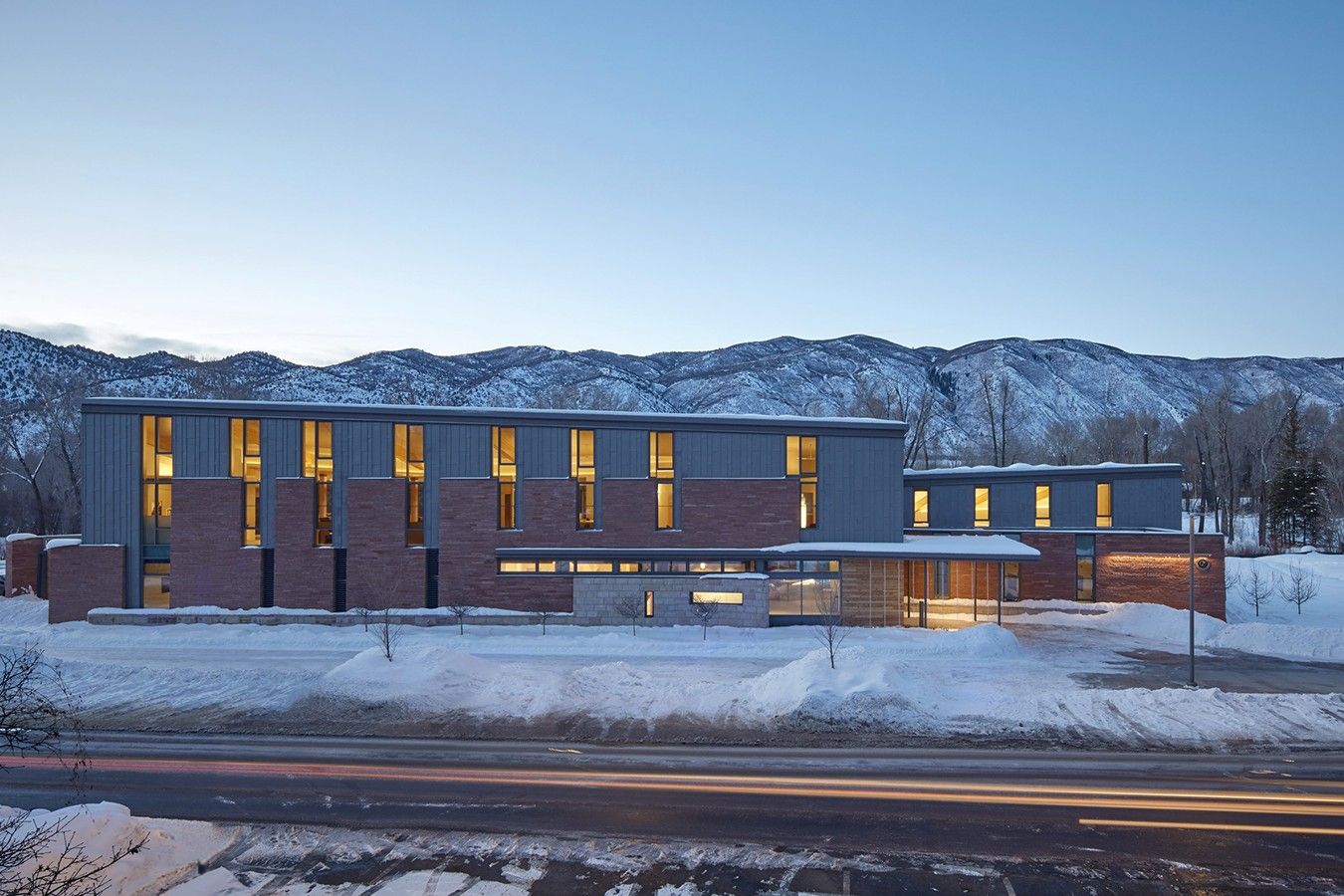
Have you ever wondered what secrets lie within Colorado's majestic mountains? The Mountain Research Station offers a unique glimpse into the natural world, revealing hidden wonders and scientific marvels. Located in the heart of the Rockies, this research hub is a treasure trove for nature enthusiasts, scientists, and curious minds alike. From studying alpine ecosystems to understanding climate change impacts, the station provides invaluable data and experiences. Whether you're a seasoned researcher or just someone who loves the great outdoors, the Mountain Research Station promises an adventure filled with discovery and learning. Ready to uncover the mysteries of the mountains? Let's dive in!
Discovering Colorado's Mountain Research Station
Nestled in the heart of the Rocky Mountains, Colorado's Mountain Research Station (MRS) offers a unique blend of natural beauty and scientific exploration. This hidden gem provides a window into the diverse ecosystems and wildlife of the region. Here are some must-see spots within the MRS that will leave you in awe.
Alpine Tundra
The Alpine Tundra is a breathtaking landscape that sits above the tree line. This area is characterized by its harsh climate and unique plant life. It's a perfect spot for those interested in high-altitude ecosystems.
- Niwot Ridge: This ridge offers stunning views and a chance to see rare alpine plants. It's also a key research site for climate studies.
- Green Lakes Valley: A series of glacial lakes surrounded by rugged peaks. It's a great place for hiking and observing alpine flora and fauna.
Forest Ecosystems
The forests within the MRS are rich with biodiversity. These areas are perfect for those who love to explore lush, green landscapes and learn about forest ecology.
- C.U. Boulder’s Mountain Pine Beetle Study Area: This site provides insight into the impact of pine beetles on forest health. It's a fascinating look at how these tiny insects can change entire ecosystems.
- Subalpine Forests: These forests are home to a variety of wildlife, including elk and black bears. The dense canopy and diverse plant life make it a great spot for nature walks.
Wetland Wonders
Wetlands are crucial for maintaining biodiversity and water quality. The MRS wetlands are teeming with life and offer a serene escape into nature.
- Moraine Park: This wetland area is a haven for bird watchers. It's also a great place to learn about wetland ecology and the role these areas play in the environment.
- Bog Lake: A small, secluded lake surrounded by wetlands. It's an ideal spot for quiet reflection and observing aquatic plants and animals.
Research Facilities
The MRS is not just about natural beauty; it's also a hub for scientific research. These facilities provide a glimpse into the cutting-edge studies being conducted in the area.
- Tundra Lab: This lab focuses on high-altitude research, including studies on climate change and its impact on alpine ecosystems. It's a must-visit for science enthusiasts.
- Mountain Climate Observatory: This facility monitors weather patterns and collects data on climate change. It's an excellent place to learn about the science behind weather and climate.
Unique Geological Features
The geology of the MRS is as fascinating as its biology. These unique geological features offer a glimpse into the Earth's history and the forces that shaped the landscape.
- Rock Glacier: A slow-moving mass of rock and ice that provides a unique look at glacial geology. It's a striking feature that showcases the power of natural forces.
- Boulder Field: A vast expanse of boulders left behind by retreating glaciers. It's a great spot for rock climbing and exploring geological formations.
Discovering Colorado's Mountain Research Station
Colorado's Mountain Research Station offers more than just stunning views. It provides valuable insights into alpine ecosystems. Researchers study climate change, wildlife behavior, and plant life. This work helps us understand how these environments are changing and what we can do to protect them.
Visiting the station isn't just for scientists. Nature lovers, students, and families can all learn something new. Guided tours and educational programs make it easy to get involved. You can hike, observe wildlife, and even participate in research projects.
Supporting the station means supporting important environmental research. Donations and volunteer work help keep these studies going. Next time you're in Colorado, consider a visit. You'll leave with a deeper appreciation for the mountains and the work being done to preserve them.
