

Hidden Connections In Colorado’s Mountain Research Network
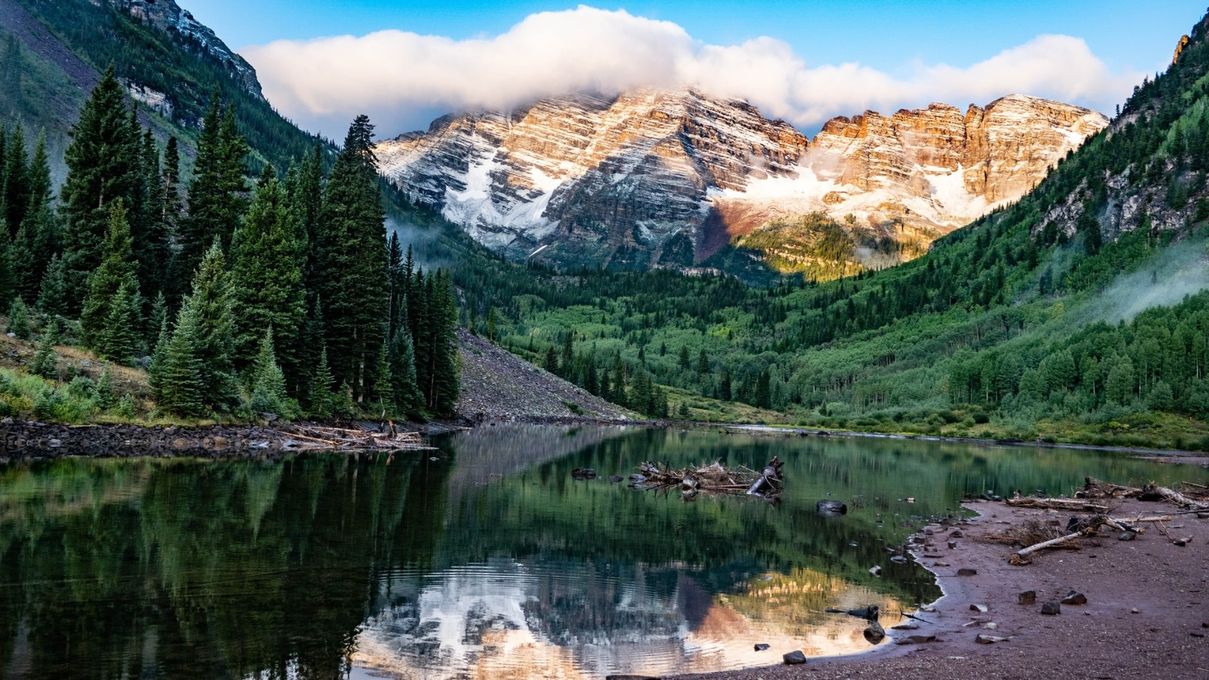
Have you ever wondered how scientists study the environment in Colorado's mountains? The Colorado Mountain Research Network is a group of research sites spread across the state's rugged terrain. These sites help scientists understand changes in climate, wildlife, and plant life. By collecting data from different locations, researchers can see patterns and make predictions about the future. This network is crucial for protecting Colorado's natural beauty and resources. Whether you're a student, a nature lover, or just curious, learning about this network can give you a new appreciation for the work done to keep our mountains healthy.
Hidden Connections in Colorado's Mountain Research Network
Colorado's mountains are more than just stunning landscapes. They are home to a network of research stations that uncover the secrets of nature. These places connect scientists, students, and nature lovers in a quest for knowledge. Let's explore some of these hidden gems.
Mountain Research Stations
These research stations are scattered across Colorado's peaks. Each one offers unique insights into the environment, climate, and wildlife.
Niwot Ridge Long-Term Ecological Research (LTER) Site Located near Boulder, this site has been a hub for ecological research since 1980. Scientists study everything from alpine tundra to subalpine forests. The data collected here helps understand climate change impacts on mountain ecosystems.
Rocky Mountain Biological Laboratory (RMBL) Nestled in the Gunnison Valley, RMBL is a haven for biologists. Founded in 1928, it attracts researchers from around the world. They study plant-pollinator interactions, animal behavior, and ecosystem dynamics.
Mountain Research Station (MRS) Operated by the University of Colorado Boulder, MRS is located in the Indian Peaks Wilderness. It provides facilities for research on alpine and subalpine ecosystems. The station also offers educational programs for students and the public.
Climate and Weather Stations
Understanding mountain climates is crucial for predicting weather patterns and climate change. These stations provide valuable data.
San Juan Mountains Climate Station Situated in southwestern Colorado, this station monitors weather and climate in the San Juan Mountains. Data collected here helps predict snowpack levels, which are vital for water resources in the region.
East River Watershed Research Station Located near Crested Butte, this station focuses on hydrology and water quality. Researchers study how snowmelt and rainfall affect water flow in mountain streams. The findings are essential for managing water resources.
Wildlife Research Centers
Colorado's mountains are teeming with wildlife. These research centers study animal behavior, population dynamics, and conservation.
Colorado Parks and Wildlife Research Center Based in Fort Collins, this center conducts research on a wide range of species, from elk to lynx. Scientists here work on conservation strategies to protect Colorado's diverse wildlife.
Rocky Mountain Research Station This station, part of the U.S. Forest Service, has multiple locations across Colorado. Researchers study forest health, fire ecology, and wildlife habitats. Their work helps manage and protect national forests.
Educational and Outreach Programs
Connecting people with nature is a key goal of these research stations. They offer programs that educate and inspire.
High Mountain Institute (HMI) Located in Leadville, HMI combines outdoor education with academic studies. Students learn about environmental science while exploring Colorado's mountains. The institute also offers wilderness programs for high school students.
Catamount Institute Based in Colorado Springs, this institute focuses on environmental education. It offers programs for schools, families, and community groups. Activities include nature hikes, wildlife tracking, and conservation projects.
Collaborative Research Networks
Collaboration is essential for advancing scientific knowledge. These networks bring together researchers from different fields.
Colorado Mountain Club (CMC) Founded in 1912, CMC promotes outdoor recreation, education, and conservation. The club collaborates with research stations to support scientific studies. Members participate in citizen science projects and conservation efforts.
Western Water Assessment (WWA) Based at the University of Colorado Boulder, WWA focuses on water resources and climate adaptation. The network brings together scientists, policymakers, and stakeholders to address water-related challenges in the West.
Conclusion
Colorado's mountain research network is a treasure trove of knowledge. From ecological studies to climate monitoring, these stations play a vital role in understanding and protecting our natural world. Whether you're a scientist, student, or nature enthusiast, there's something to learn and explore in Colorado's mountains.
The Impact of Colorado's Mountain Research Network
Colorado's Mountain Research Network reveals how interconnected our natural world is. Researchers uncover hidden links between ecosystems, climate, and wildlife. These discoveries help us understand how changes in one area can affect others. This knowledge is crucial for conservation efforts and sustainable practices.
The network's work also highlights the importance of preserving these mountain regions. Protecting these areas ensures the survival of diverse species and maintains the balance of our environment. The research conducted here provides valuable insights that can be applied globally.
By supporting and expanding this network, we can continue to learn and adapt to our changing world. The findings not only benefit Colorado but also offer lessons for other regions facing similar challenges. The Mountain Research Network stands as a vital resource for understanding and protecting our planet's delicate ecosystems.
