Secrets Of The Desert Tortoise Habitat In California’s Mojave National Preserve
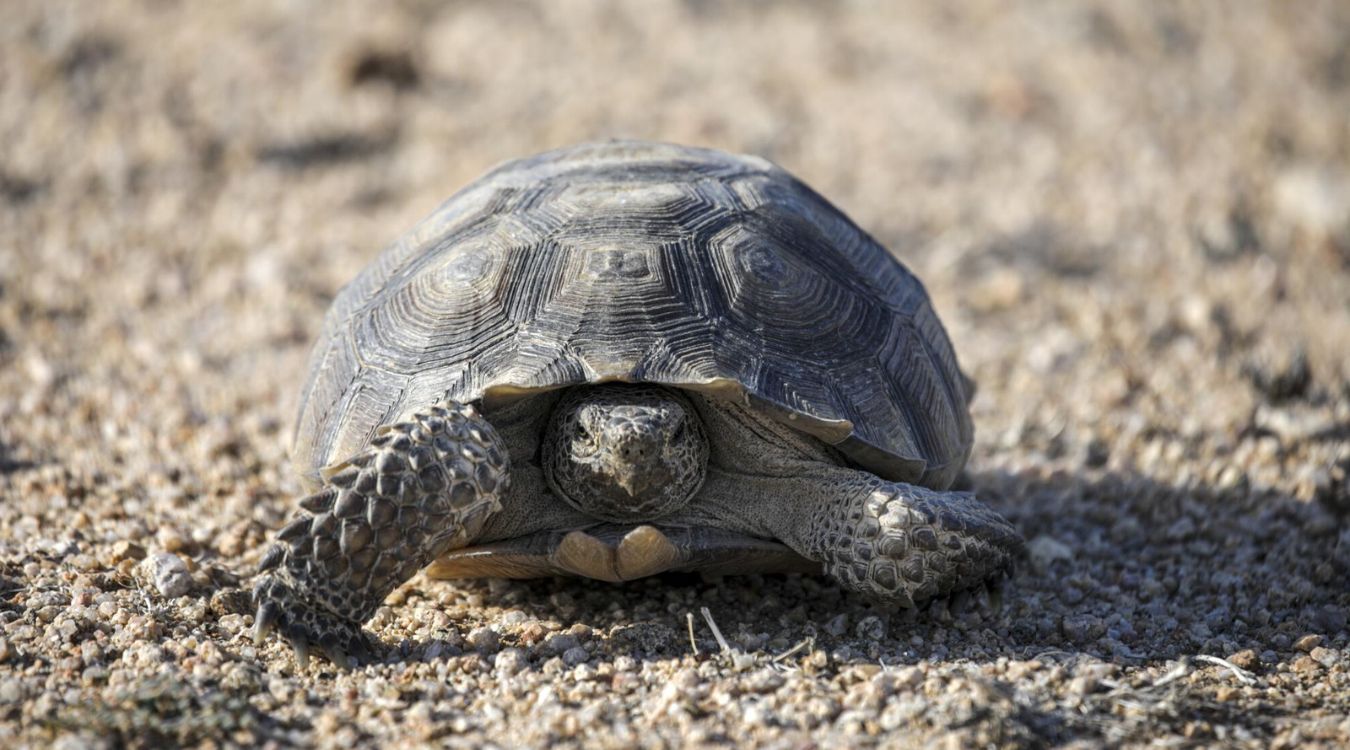
Have you ever wondered what makes the desert tortoise habitat in California's Mojave National Preserve so special? This unique environment is home to one of the most fascinating creatures in the Southwest. The desert tortoise has adapted to survive in harsh conditions, making its home in burrows to escape the extreme heat. These slow-moving reptiles can live up to 80 years, thriving on a diet of wildflowers, grasses, and cacti. Exploring their habitat offers a glimpse into the delicate balance of desert life. Whether you're a nature enthusiast or just curious, learning about the desert tortoise's home is a journey worth taking.
Discovering the Desert Tortoise Habitat
The Mojave National Preserve in California is a vast, rugged landscape. It’s home to the elusive desert tortoise, a creature that has adapted to the harsh desert environment. Exploring this habitat offers a unique glimpse into the life of these fascinating reptiles.
Key Locations to Spot Desert Tortoises
Finding desert tortoises in their natural habitat can be a rewarding experience. Here are some prime locations within the Mojave National Preserve where you might encounter these remarkable creatures.
1. Kelso Dunes
Kelso Dunes is a stunning area with towering sand dunes that can reach heights of 650 feet. The dunes provide a perfect environment for desert tortoises, who often burrow in the sand to escape the heat. Early morning or late afternoon visits increase your chances of spotting them.
2. Hole-in-the-Wall
Hole-in-the-Wall is known for its unique rock formations and scenic trails. The area’s rocky terrain and sparse vegetation create ideal conditions for desert tortoises. Keep an eye out for their burrows along the trails.
3. Cima Dome
Cima Dome is a vast, gently sloping area covered with Joshua trees. The open landscape and scattered vegetation make it a prime spot for desert tortoises. Look for them near the base of Joshua trees or in shallow burrows.
4. Ivanpah Valley
Ivanpah Valley is a remote area with a mix of desert scrub and rocky outcrops. The valley’s diverse terrain provides excellent habitat for desert tortoises. Exploring the valley’s trails and washes can lead to exciting sightings.
5. Lanfair Valley
Lanfair Valley offers a mix of grasslands and desert scrub, creating a varied habitat for desert tortoises. The valley’s open spaces and scattered vegetation make it easier to spot these creatures as they forage for food.
6. Piute Spring
Piute Spring is an oasis in the desert, providing a rare source of water for wildlife. The lush vegetation around the spring attracts desert tortoises, especially during the hotter months. Visiting this area can offer a unique opportunity to see tortoises in a more verdant setting.
7. Providence Mountains
The Providence Mountains are a rugged range with steep slopes and rocky outcrops. The mountains’ diverse terrain and cooler temperatures make it a suitable habitat for desert tortoises. Hiking the trails in this area can lead to encounters with these elusive reptiles.
8. Castle Mountains
Castle Mountains is a remote area with a mix of desert scrub and rocky terrain. The mountains’ isolation and varied landscape provide excellent conditions for desert tortoises. Exploring the trails and washes can yield sightings of these fascinating creatures.
9. Granite Mountains
Granite Mountains feature rugged terrain and large boulders, creating a perfect environment for desert tortoises. The area’s rocky outcrops and sparse vegetation offer ideal conditions for these reptiles to thrive. Keep an eye out for their burrows among the rocks.
10. Clark Mountain
Clark Mountain is a prominent peak with diverse habitats ranging from desert scrub to rocky slopes. The mountain’s varied terrain provides excellent conditions for desert tortoises. Hiking the trails and exploring the washes can lead to exciting encounters with these remarkable creatures.
Embracing the Desert Tortoise Habitat
The Mojave National Preserve offers a unique glimpse into the life of the desert tortoise. This resilient creature has adapted to one of the harshest environments on Earth. Exploring their habitat reveals the delicate balance of the desert ecosystem. From the sandy dunes to the rocky outcrops, every part of the preserve plays a role in the tortoise's survival.
Visiting this habitat not only provides a chance to see these amazing animals but also underscores the importance of conservation efforts. Protecting the desert tortoise ensures that future generations can appreciate their role in the Mojave Desert. Whether you're a nature enthusiast or just curious about wildlife, the Mojave National Preserve offers an unforgettable experience. Embrace the opportunity to learn about and support the desert tortoise in its natural home.