

Secrets Of Napa Valley’s Wine Chemistry Labs
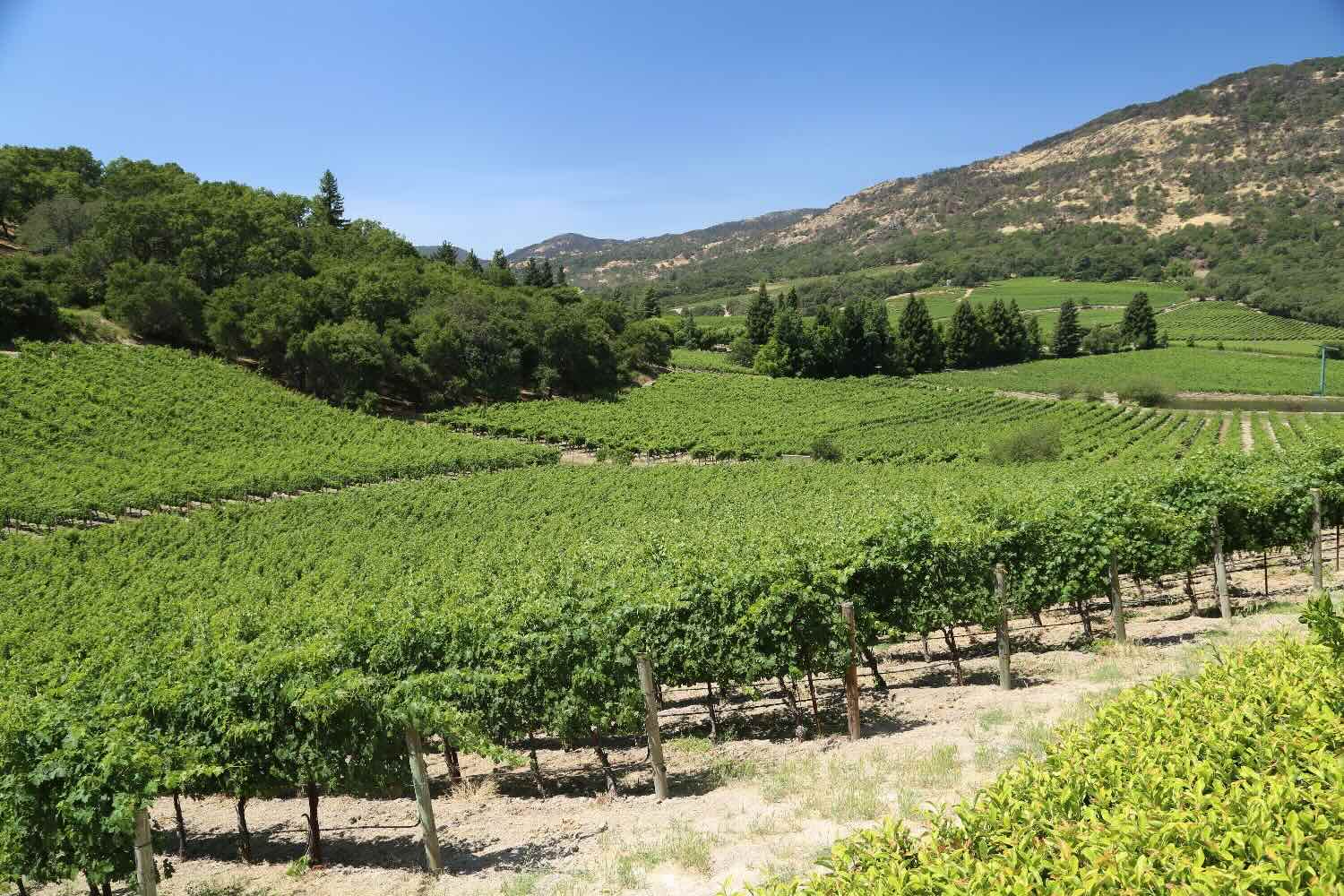
Ever wondered what makes Napa Valley wines so special? It's not just the grapes or the climate. The real magic happens in Napa Valley's wine chemistry labs. These labs are where science meets art, turning good wine into something extraordinary. Experts analyze everything from sugar levels to acidity, ensuring each bottle meets high standards. They use advanced technology to monitor fermentation, detect flaws, and even predict how a wine will age. This meticulous process guarantees that every sip delivers a perfect balance of flavors. Next time you enjoy a glass of Napa Valley wine, remember the science behind that delicious taste.
Napa Valley: Where Wine Meets Science
Napa Valley isn't just about picturesque vineyards and wine tastings. Behind the scenes, there's a fascinating world of wine chemistry labs where science and art blend to create the perfect bottle. These labs are the unsung heroes ensuring every sip is a masterpiece.
1. The Wine Spectator Learning Center
The Wine Spectator Learning Center at Sonoma State University is a hub for wine education and research. Here, students and professionals alike delve into the chemistry behind winemaking, learning about fermentation, aging, and the intricate balance of flavors.
- State-of-the-art facilities: Equipped with advanced technology for in-depth wine analysis.
- Hands-on experience: Offers practical training in wine chemistry and sensory evaluation.
- Expert faculty: Learn from leading experts in the field of enology and viticulture.
2. UC Davis Viticulture and Enology Department
UC Davis is renowned for its contributions to the wine industry. Their Viticulture and Enology Department is a leader in wine research, focusing on everything from grape growing to the final product.
- Cutting-edge research: Pioneering studies on grape genetics, fermentation processes, and wine stability.
- Comprehensive programs: Offers degrees and certifications in viticulture and enology.
- Industry partnerships: Collaborates with wineries to apply research findings in real-world settings.
3. Napa Valley College Viticulture and Winery Technology Program
Napa Valley College offers a hands-on approach to learning about wine chemistry. Their program is designed for those looking to enter the wine industry or enhance their existing knowledge.
- Practical training: Students work in the college's own vineyard and winery.
- Modern labs: Equipped with the latest technology for wine analysis and quality control.
- Industry connections: Strong ties with local wineries for internships and job placements.
4. ETS Laboratories
ETS Laboratories in St. Helena provides analytical services to the wine industry. Their work ensures that every bottle meets the highest standards of quality and consistency.
- Comprehensive testing: Offers a wide range of tests, from basic chemistry to advanced sensory analysis.
- Expert consultation: Provides guidance on winemaking processes and problem-solving.
- Innovative solutions: Continuously develops new methods to improve wine quality.
5. Napa Valley Wine Academy
The Napa Valley Wine Academy is a premier destination for wine education. While not a traditional chemistry lab, their courses cover the scientific aspects of winemaking, including the chemistry behind flavors and aromas.
- Diverse curriculum: Offers courses on wine chemistry, sensory evaluation, and wine business.
- Experienced instructors: Learn from industry professionals with extensive knowledge.
- Interactive learning: Hands-on classes and tastings to apply theoretical knowledge.
6. Enartis USA
Enartis USA in Windsor provides enological products and services to winemakers. Their focus on innovation and quality helps wineries produce exceptional wines.
- Advanced products: Offers a range of enological products, including yeast, enzymes, and tannins.
- Technical support: Provides expert advice on product use and winemaking techniques.
- Research and development: Continuously works on new solutions to enhance wine quality.
7. Napa Valley Research Center
The Napa Valley Research Center is dedicated to advancing the science of winemaking. Their research covers a wide range of topics, from vineyard management to wine chemistry.
- Collaborative projects: Works with universities and wineries on research initiatives.
- Focus on sustainability: Studies sustainable practices in viticulture and winemaking.
- Innovative research: Explores new methods to improve wine quality and consistency.
8. St. Helena Viticultural Research Center
Located in the heart of Napa Valley, the St. Helena Viticultural Research Center focuses on grape growing and winemaking research. Their work helps wineries produce high-quality wines year after year.
- Field research: Conducts studies on vineyard management and grapevine health.
- Wine analysis: Offers comprehensive testing services for winemakers.
- Educational programs: Provides training and workshops for industry professionals.
The Science Behind Napa Valley's Wine
Napa Valley's wine chemistry labs play a crucial role in creating world-class wines. These labs ensure each bottle meets high standards by analyzing everything from sugar levels to acidity. Winemakers rely on this data to make informed decisions during the fermentation process, leading to consistent quality and unique flavors.
Understanding the science behind wine production adds a new layer of appreciation for every sip. It's not just about the grapes; it's about the meticulous work done behind the scenes. The next time you enjoy a glass of Napa Valley wine, remember the chemistry that makes it exceptional.
Visiting these labs offers a fascinating glimpse into the art and science of winemaking. Whether you're a wine enthusiast or just curious, exploring Napa Valley's wine chemistry labs can deepen your understanding and enjoyment of wine. Cheers to the perfect blend of tradition and innovation!
