Secrets Of Desert Bighorn Sheep Habitats In California’s Death Valley
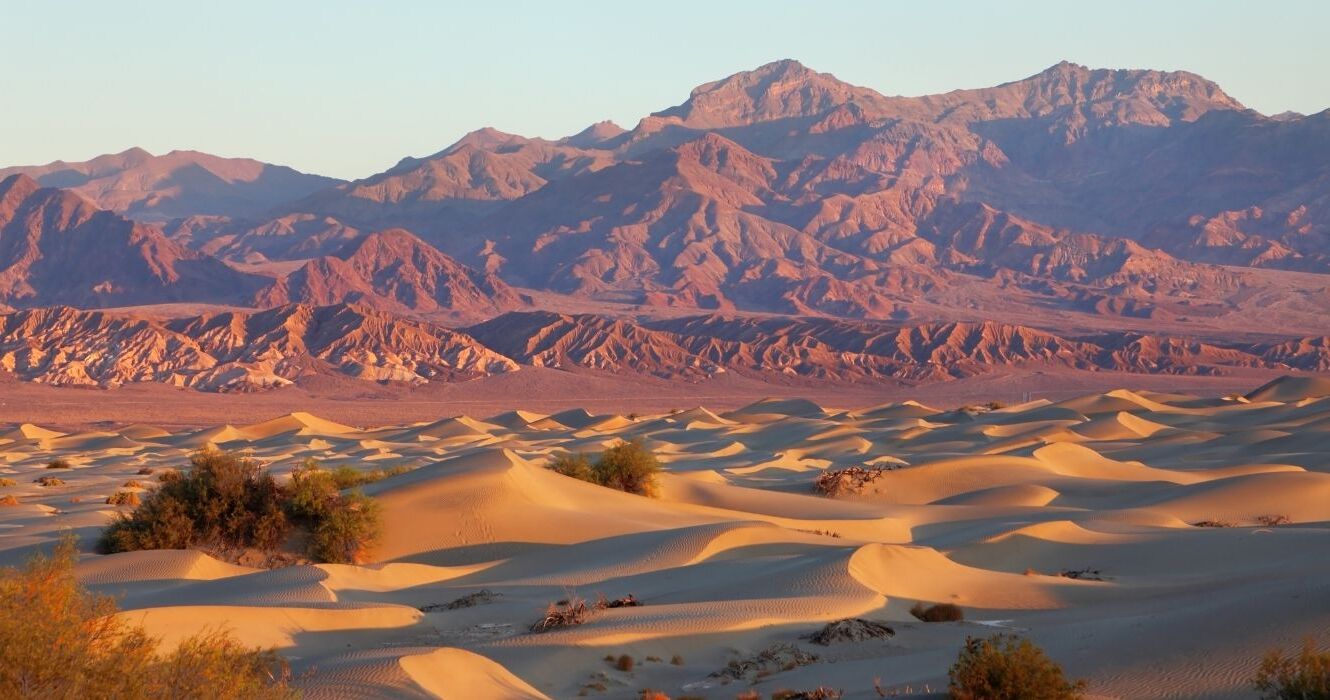
Have you ever wondered where desert bighorn sheep live in California's Death Valley? These incredible animals thrive in one of the harshest environments on Earth. With temperatures soaring above 120 degrees Fahrenheit, it’s amazing how they survive. The secret lies in their unique adaptations and the rugged terrain they call home. Steep, rocky slopes provide safety from predators, while scarce water sources keep them hydrated. These sheep are expert climbers, navigating cliffs with ease. Their keen eyesight helps them spot danger from miles away. Understanding their habitat gives us a glimpse into the resilience of nature. Ready to learn more?
Secrets of Desert Bighorn Sheep Habitats in California's Death Valley
California's Death Valley is a land of extremes. Scorching temperatures, rugged terrain, and sparse vegetation make it a challenging place to survive. Yet, the desert bighorn sheep thrive here. These resilient creatures have adapted to the harsh environment, and their habitats are as fascinating as they are diverse. Let's uncover some of the secrets of their habitats.
Water Sources: Lifelines in the Desert
Water is scarce in Death Valley, but bighorn sheep have found ways to locate and utilize these precious resources. Their survival depends on these lifelines.
Natural Springs
Hidden among the rocky outcrops, natural springs provide essential hydration. These springs are often well-guarded secrets, known only to the sheep and a few lucky explorers.Guzzlers
Man-made water catchments, known as guzzlers, collect rainwater and provide a reliable source of water. These structures are crucial during dry spells when natural sources dry up.
Rocky Terrain: A Natural Fortress
The rugged landscape of Death Valley offers more than just a dramatic backdrop. It provides the perfect terrain for bighorn sheep to evade predators and find shelter.
Steep Cliffs
Steep cliffs and rocky slopes are ideal for bighorn sheep. Their agility allows them to navigate these treacherous areas with ease, escaping predators like mountain lions.Canyons
Narrow canyons offer shade and protection from the harsh sun. These natural fortresses also serve as pathways to water sources and grazing areas.
Grazing Grounds: Finding Food in a Barren Land
Despite the arid environment, bighorn sheep have adapted to find food in the sparse vegetation of Death Valley.
Desert Scrub
Desert scrub plants, such as creosote bush and brittlebush, provide nutrition. These hardy plants can survive with minimal water, making them a reliable food source.Ephemeral Streams
After rare rainfalls, ephemeral streams create temporary lush areas. These brief bursts of greenery offer a feast for the bighorn sheep, allowing them to replenish their energy.
Seasonal Movements: Following the Resources
Bighorn sheep are not static; they move with the seasons to optimize their chances of survival.
Summer Ranges
During the scorching summer months, sheep migrate to higher elevations. These cooler areas provide relief from the heat and access to water sources.Winter Ranges
In winter, they descend to lower elevations where temperatures are milder. This seasonal movement ensures they can find food and water year-round.
Social Structure: Strength in Numbers
Bighorn sheep are social animals, and their group dynamics play a crucial role in their survival.
Ewe Groups
Female sheep, or ewes, form groups with their young. These groups provide protection and help in locating food and water.Bachelor Herds
Male sheep, or rams, often form bachelor herds. These groups allow rams to spar and establish dominance without the risk of injury to ewes or lambs.
Adaptations: Nature's Ingenious Solutions
The bighorn sheep's physical and behavioral adaptations are key to their survival in Death Valley.
Specialized Hooves
Their hooves are specially adapted to grip the rocky terrain. This allows them to climb steep cliffs and navigate the rugged landscape with ease.Efficient Water Use
Bighorn sheep can go for long periods without water. They have adapted to extract maximum moisture from their food and minimize water loss through their urine and feces.
The Magic of Desert Bighorn Sheep in Death Valley
Desert Bighorn Sheep in California's Death Valley are truly remarkable. These animals have adapted to one of the harshest environments on Earth. Their ability to find water, navigate rocky terrain, and survive extreme temperatures is nothing short of amazing. Visiting Death Valley offers a unique chance to witness these incredible creatures in their natural habitat. Whether you're a nature enthusiast or just curious, seeing Desert Bighorn Sheep up close is an unforgettable experience. Remember to respect their space and follow park guidelines to ensure their safety and yours. Exploring Death Valley and learning about its wildlife adds a special layer to any adventure. So, pack your gear, bring plenty of water, and get ready to discover the wonders of Desert Bighorn Sheep in this stunning landscape.