

Secrets Of California’s Mojave Turquoise Mines
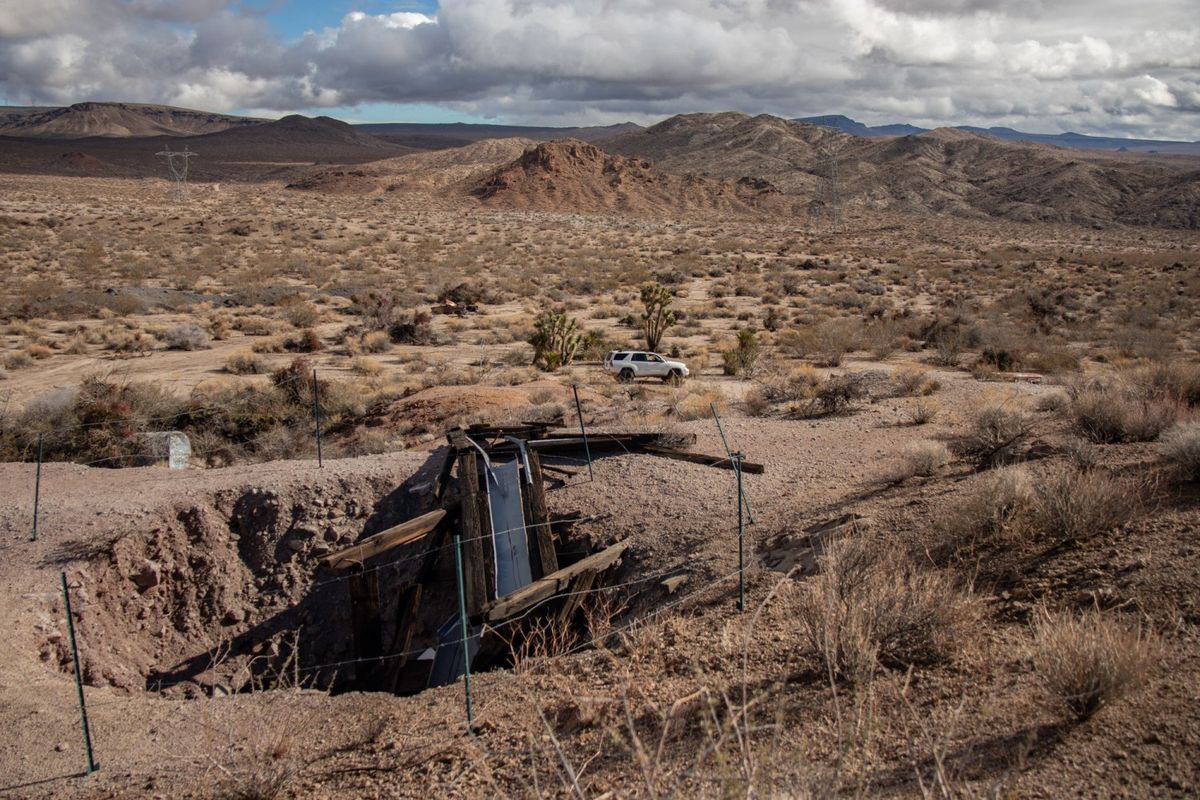
Have you ever wondered where that stunning blue-green stone in your jewelry comes from? The Mojave turquoise mines in California hold the answer. These mines produce some of the most vibrant and unique turquoise stones in the world. Hidden in the rugged landscape of the Mojave Desert, these mines have a rich history and a fascinating story to tell. From ancient Native American uses to modern-day jewelry making, the journey of Mojave turquoise is as colorful as the stone itself. Ready to learn more about this gem and its origins? Let's dive into the secrets of California's Mojave turquoise mines.
The Allure of Mojave Turquoise
Mojave turquoise, with its vibrant blue-green hues and intricate matrix patterns, has captivated gem enthusiasts for generations. Nestled within California's Mojave Desert, these mines offer a unique glimpse into the world of turquoise mining. Let's explore some of the most notable mines in this region.
1. The Sleeping Beauty Mine
Known for producing some of the purest turquoise, the Sleeping Beauty Mine stands out. Its stones are often free from the matrix, making them highly sought after for jewelry.
- Location: Near Globe, Arizona, but its influence extends to the Mojave region.
- Characteristics: Bright blue stones with minimal veining.
- History: Named after the mountain range resembling a sleeping woman.
2. The Kingman Mine
One of the oldest and most famous turquoise mines, Kingman Mine has a rich history and continues to produce high-quality stones.
- Location: Kingman, Arizona, with veins extending into the Mojave.
- Characteristics: Varied colors from sky blue to green with black matrix.
- History: Operated by the Colbaugh family for generations.
3. The Royston Mine
Royston Mine offers a stunning variety of turquoise colors, making it a favorite among collectors and jewelers.
- Location: Near Tonopah, Nevada, but part of the Mojave turquoise belt.
- Characteristics: Blue to green stones with a brown matrix.
- History: Discovered in the early 1900s, still active today.
4. The Blue Moon Mine
Blue Moon Mine is renowned for its deep blue stones, often compared to the night sky.
- Location: Within the heart of the Mojave Desert.
- Characteristics: Dark blue stones with minimal matrix.
- History: A relatively new discovery, gaining popularity quickly.
5. The Ithaca Peak Mine
Ithaca Peak Mine produces some of the most striking turquoise, known for its vibrant colors and unique patterns.
- Location: Near Kingman, Arizona, extending into the Mojave.
- Characteristics: Bright blue stones with pyrite inclusions.
- History: A significant source of high-grade turquoise for decades.
6. The Turquoise Mountain Mine
Turquoise Mountain Mine offers a diverse range of turquoise, from light blue to deep green, often with a golden matrix.
- Location: Close to Kingman, Arizona, part of the Mojave turquoise network.
- Characteristics: Varied colors with a distinctive golden matrix.
- History: Known for its high-quality stones since the mid-20th century.
7. The Candelaria Mine
Candelaria Mine is famous for its high-quality turquoise, often used in fine jewelry.
- Location: Near Tonopah, Nevada, within the Mojave turquoise region.
- Characteristics: Blue to green stones with a spiderweb matrix.
- History: Discovered in the 1800s, still producing today.
8. The Morenci Mine
Morenci Mine produces turquoise with a unique blue color and a distinctive iron pyrite matrix.
- Location: Southeastern Arizona, influencing the Mojave turquoise market.
- Characteristics: Blue stones with iron pyrite inclusions.
- History: One of the oldest turquoise mines, dating back to the 1800s.
9. The Hachita Mine
Hachita Mine offers turquoise with a beautiful blue-green color, often with a black matrix.
- Location: Southwestern New Mexico, part of the Mojave turquoise belt.
- Characteristics: Blue-green stones with a black matrix.
- History: Known for its high-quality stones since the early 1900s.
10. The Cerrillos Mine
Cerrillos Mine is one of the oldest known turquoise mines, producing stones with a unique greenish-blue hue.
- Location: Near Santa Fe, New Mexico, extending into the Mojave region.
- Characteristics: Greenish-blue stones with a brown matrix.
- History: Used by Native Americans for centuries, still active today.
11. The Bisbee Mine
Bisbee Mine is famous for its deep blue turquoise, often with a chocolate brown matrix.
- Location: Southeastern Arizona, part of the Mojave turquoise network.
- Characteristics: Deep blue stones with a chocolate brown matrix.
- History: Discovered in the late 1800s, known for its high-quality stones.
12. The Carico Lake Mine
Carico Lake Mine produces turquoise with a unique green color, often with a yellow matrix.
- Location: Near Lander County, Nevada, within the Mojave turquoise belt.
- Characteristics: Green stones with a yellow matrix.
- History: Known for its distinctive stones since the mid-20th century.
Discover the Magic of Mojave Turquoise
Mojave turquoise mines hold a unique charm. Their vibrant blue-green stones, laced with copper and other minerals, make them stand out. Visiting these mines offers a glimpse into California's rich geological history. You can explore the rugged landscapes, learn about the mining process, and even find your own piece of turquoise.
Whether you're a gem enthusiast or just love nature, the Mojave turquoise mines provide an unforgettable experience. The beauty of the stones and the thrill of discovery make it worth the trip. So, pack your bags, grab your gear, and head to the Mojave Desert. You'll leave with more than just beautiful gems; you'll take home memories of an adventure in one of California's hidden treasures.
