

Secrets Of California’s Mojave Research Stations
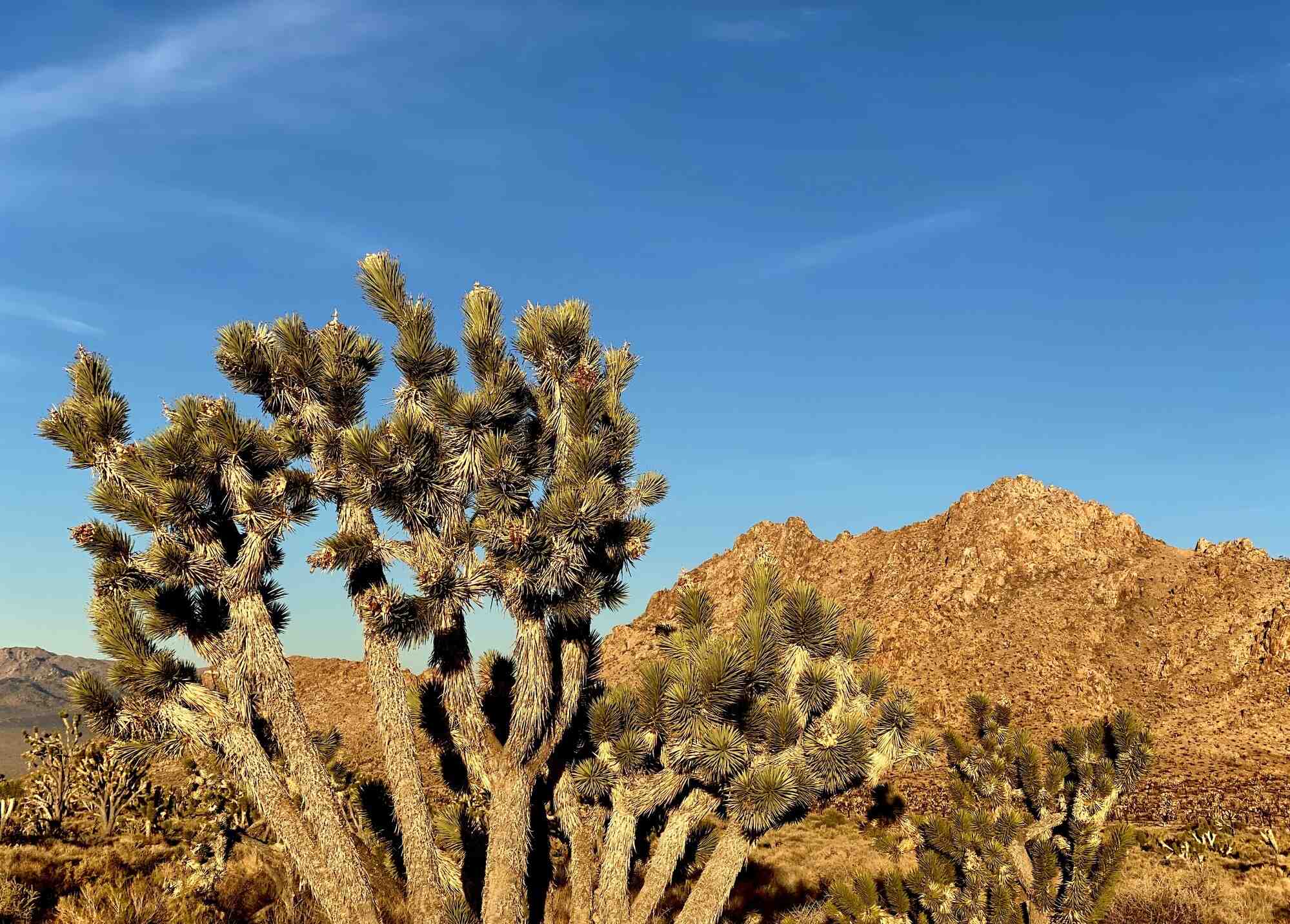
Ever wondered what secrets lie in the heart of California's Mojave Desert? The Mojave Research Stations hold the key to understanding this vast, arid landscape. These stations serve as hubs for scientists studying everything from unique plant species to ancient geological formations. Imagine exploring a place where the past meets the future, where researchers uncover clues about climate change and desert ecosystems. Whether you're a science enthusiast or just curious about the desert, these stations offer a glimpse into a world few get to see. Ready to learn more about the hidden gems of the Mojave? Let's dive in!
Secrets of California's Mojave Research Stations
California's Mojave Desert is a land of extremes, where scorching heat meets freezing nights. Amidst this harsh environment, several research stations have been established to study its unique ecosystem. These stations are not just scientific outposts; they are gateways to understanding the desert's secrets.
1. Desert Studies Center
Located in the heart of the Mojave, the Desert Studies Center is a hub for ecological and geological research. This station provides a base for scientists studying everything from desert flora and fauna to climate change impacts.
- Research Focus: Ecology, geology, climate change
- Facilities: Laboratories, dormitories, field equipment
- Unique Feature: Proximity to Soda Lake, a seasonal salt flat
2. Sweeney Granite Mountains Desert Research Center
Nestled within the Granite Mountains, this research center offers a unique vantage point for studying desert mountain ecosystems. The rugged terrain and diverse habitats make it a prime location for biological research.
- Research Focus: Botany, zoology, geology
- Facilities: Research labs, living quarters, hiking trails
- Unique Feature: Home to rare plant species like the Mojave yucca
3. Lytle Ranch Preserve
Lytle Ranch Preserve, located at the edge of the Mojave, serves as a living laboratory for studying desert and riparian ecosystems. The preserve's diverse habitats support a wide range of research projects.
- Research Focus: Ecology, hydrology, ornithology
- Facilities: Field stations, observation decks, water monitoring systems
- Unique Feature: Rich birdlife, including migratory species
4. Zzyzx Desert Research Station
Zzyzx, once a health spa, now serves as a research station dedicated to desert studies. Its unique history and location make it a fascinating place for both scientists and visitors.
- Research Focus: Desert ecology, archaeology, hydrology
- Facilities: Laboratories, dormitories, historical buildings
- Unique Feature: Natural hot springs and Soda Springs
5. Granite Mountains Research Center
Situated in the Mojave National Preserve, this center focuses on long-term ecological research. The pristine environment offers a perfect setting for studying natural processes without human interference.
- Research Focus: Long-term ecological research, climate studies, conservation biology
- Facilities: Research labs, field stations, remote sensing equipment
- Unique Feature: Isolation from urban areas, providing a natural laboratory
6. Kelso Depot Visitor Center
While primarily a visitor center, Kelso Depot also supports research activities. Its historical significance and strategic location make it a valuable resource for studying the desert's human and natural history.
- Research Focus: History, ecology, geology
- Facilities: Exhibits, research archives, educational programs
- Unique Feature: Restored 1920s train depot
7. Joshua Tree National Park Research Center
Joshua Tree National Park is not just a tourist destination; it's also a research hub. The park's diverse ecosystems and unique geological formations attract scientists from various fields.
- Research Focus: Botany, geology, climate change
- Facilities: Research labs, field stations, visitor education centers
- Unique Feature: Iconic Joshua trees and rock formations
8. Death Valley National Park Research Center
Death Valley, known for its extreme conditions, offers a unique environment for scientific research. The research center here focuses on understanding how life adapts to such harsh conditions.
- Research Focus: Extreme environment biology, geology, climate studies
- Facilities: Research labs, field stations, climate monitoring equipment
- Unique Feature: Lowest point in North America, Badwater Basin
9. Mojave National Preserve Research Center
This research center within the Mojave National Preserve supports a wide range of studies. Its diverse landscapes provide a natural laboratory for understanding desert ecosystems.
- Research Focus: Ecology, geology, hydrology
- Facilities: Field stations, research labs, remote sensing equipment
- Unique Feature: Vast sand dunes and volcanic formations
10. Barstow Field Station
Barstow Field Station serves as a base for studying the Mojave's unique geology and paleontology. The station's proximity to fossil-rich areas makes it ideal for paleontological research.
- Research Focus: Geology, paleontology, archaeology
- Facilities: Research labs, fossil preparation areas, field equipment
- Unique Feature: Access to rich fossil beds and geological formations
Discovering the Mojave's Hidden Gems
Exploring California's Mojave research stations reveals a world of scientific discovery and natural beauty. These stations offer unique insights into desert ecosystems, wildlife, and climate patterns. Visitors can witness cutting-edge research while enjoying the stark, stunning landscapes of the Mojave Desert.
From the Desert Studies Center to the Granite Mountains Research Center, each station has its own charm and focus. Whether you're a science enthusiast, nature lover, or just curious, these stations provide a rare opportunity to learn and explore.
Plan a visit to these hidden gems and experience the Mojave's wonders firsthand. The knowledge gained and the memories made will be unforgettable. So, pack your bags, grab your camera, and get ready for an adventure that combines education with the awe-inspiring beauty of the desert.
