

Secrets Of California’s Marine Research Programs
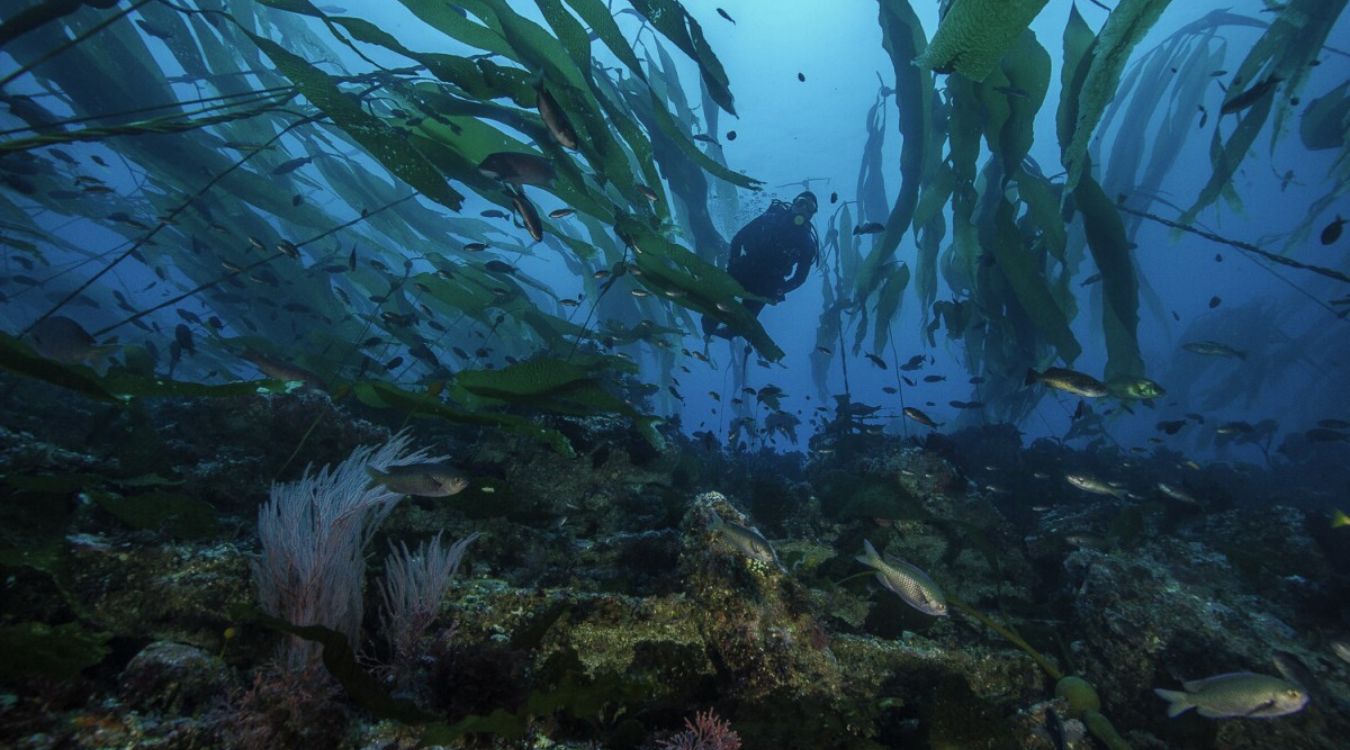
Have you ever wondered what goes on behind the scenes in California's marine research programs? These programs play a crucial role in understanding and preserving our oceans. Scientists work tirelessly to study marine life, monitor ocean health, and develop strategies to protect our precious ecosystems. From tracking whale migrations to studying coral reefs, the work done here is vital. By learning about these efforts, you can gain a deeper appreciation for the ocean and the importance of conservation. Let's dive into the fascinating world of California's marine research and see how it impacts our planet.
Secrets of California's Marine Research Programs
California's coastline stretches over 800 miles, offering a diverse range of marine environments. From bustling cities to serene coastal towns, the state is home to some of the most advanced marine research programs in the world. These programs not only study marine life but also work to protect and preserve our oceans. Let's dive into some of the most fascinating marine research programs in California.
Cutting-Edge Marine Research Facilities
California boasts several state-of-the-art marine research facilities. These institutions are at the forefront of marine science, conducting groundbreaking research and offering educational opportunities.
Scripps Institution of Oceanography
Located in La Jolla, Scripps is one of the oldest and largest centers for ocean and earth science research. Researchers here study everything from climate change to deep-sea ecosystems.Monterey Bay Aquarium Research Institute (MBARI)
MBARI focuses on deep-sea research and technology development. Their innovative remotely operated vehicles (ROVs) explore the ocean's depths, providing valuable data on marine life and geology.Hopkins Marine Station
Affiliated with Stanford University, Hopkins Marine Station in Pacific Grove conducts research on marine biology, ecology, and conservation. Their work helps to understand the complex interactions within marine ecosystems.
Marine Protected Areas and Conservation Efforts
California has established numerous Marine Protected Areas (MPAs) to safeguard its rich marine biodiversity. These areas are crucial for conservation and provide a living laboratory for researchers.
Channel Islands National Marine Sanctuary
This sanctuary protects the waters surrounding the Channel Islands, home to diverse marine life, including sea lions, dolphins, and kelp forests. Researchers study the effects of protection on marine populations and habitats.Point Reyes National Seashore
Point Reyes offers a unique blend of terrestrial and marine environments. Researchers here focus on the impacts of human activities on coastal ecosystems and the effectiveness of conservation measures.California Coastal National Monument
Stretching along the entire California coast, this monument includes thousands of small islands, rocks, and reefs. It provides critical habitat for seabirds and marine mammals, and researchers study its ecological significance.
Innovative Marine Research Projects
California's marine research programs are known for their innovative projects that push the boundaries of marine science. These projects often involve cutting-edge technology and interdisciplinary collaboration.
CalCOFI (California Cooperative Oceanic Fisheries Investigations)
CalCOFI is a long-term research program that monitors the marine environment off the coast of California. It provides valuable data on ocean conditions, fish populations, and climate change impacts.Ocean Observatories Initiative (OOI)
The OOI deploys advanced sensors and instruments to collect continuous data from the ocean. This information helps scientists understand ocean dynamics, including temperature changes, currents, and marine life behavior.Marine Mammal Center
Located in Sausalito, the Marine Mammal Center rescues and rehabilitates injured marine mammals. Their research focuses on marine mammal health, disease, and the impacts of environmental changes.
Educational and Outreach Programs
Marine research programs in California also emphasize education and public outreach. These initiatives aim to raise awareness about marine conservation and inspire the next generation of marine scientists.
Aquarium of the Pacific
In Long Beach, the Aquarium of the Pacific offers educational programs and interactive exhibits. They engage the public in marine science and conservation through hands-on activities and presentations.Birch Aquarium at Scripps
Birch Aquarium in La Jolla serves as the public outreach center for Scripps Institution of Oceanography. It offers educational exhibits, school programs, and public lectures on marine science topics.Santa Barbara Museum of Natural History Sea Center
The Sea Center on Stearns Wharf provides interactive exhibits and educational programs about the Santa Barbara Channel. It focuses on local marine life and conservation efforts.
California's marine research programs are vital for understanding and protecting our oceans. From cutting-edge facilities to innovative projects and educational outreach, these programs contribute significantly to marine science and conservation.
California's Marine Research Impact
California's marine research programs play a crucial role in understanding and protecting ocean ecosystems. These initiatives help monitor marine life, track environmental changes, and develop strategies for conservation. By studying the ocean's health, researchers can predict and mitigate the effects of climate change on marine habitats.
Public awareness and involvement are vital. Supporting these programs through funding and advocacy ensures continued progress. The knowledge gained not only benefits marine life but also supports industries like fishing and tourism, which rely on healthy oceans.
California's commitment to marine research sets an example for other regions. The state's efforts highlight the importance of scientific study in preserving our planet's natural resources. As we move forward, continued support and innovation in marine research will be essential for a sustainable future.
