Secrets Of California’s Desert Wildlife Corridors
Have you ever wondered how animals survive in the harsh deserts of California? The answer lies in California's desert wildlife corridors. These natural pathways allow animals to move between habitats, find food, and escape predators. From the nimble bighorn sheep to the elusive desert tortoise, many species rely on these corridors for survival. These pathways are crucial for maintaining biodiversity and ensuring that wildlife populations remain healthy. Without them, many animals would struggle to find the resources they need. In this blog post, we'll explore how these corridors work, why they are important, and what you can do to help protect them.
Discovering California's Desert Wildlife Corridors
California's deserts are more than just vast stretches of sand. They are home to a variety of wildlife corridors that allow animals to migrate, find food, and thrive. These corridors are essential for maintaining biodiversity and ensuring the survival of many species. Let's explore some of the most fascinating wildlife corridors in California's deserts.
Joshua Tree National Park
Joshua Tree National Park is a haven for wildlife. The park's unique landscape, characterized by rugged mountains and vast desert plains, provides a perfect habitat for many species.
Bighorn Sheep Corridor: These majestic animals use the rocky terrain to move between feeding grounds and water sources. Keep an eye out for them near the park's higher elevations.
Desert Tortoise Pathways: These slow-moving reptiles are often seen in the park's lower elevations. They dig burrows to escape the heat and can live up to 80 years.
Mojave National Preserve
The Mojave National Preserve is a vast area that offers a diverse range of habitats for wildlife. From sand dunes to volcanic cinder cones, this preserve is a treasure trove of natural wonders.
Coyote Trails: Coyotes are highly adaptable and can be found throughout the preserve. They follow trails in search of food and water, often traveling long distances.
Kit Fox Routes: These small, nocturnal predators use the cover of night to hunt. Look for them in the open desert areas where they dig their dens.
Anza-Borrego Desert State Park
Anza-Borrego Desert State Park is California's largest state park. It is known for its stunning wildflower displays and diverse wildlife.
Mountain Lion Pathways: These elusive predators roam the park's rugged terrain. They are most active at dawn and dusk, so keep your eyes peeled during these times.
Roadrunner Routes: These speedy birds are often seen darting across the desert floor. They are skilled hunters, preying on insects, lizards, and even small snakes.
Death Valley National Park
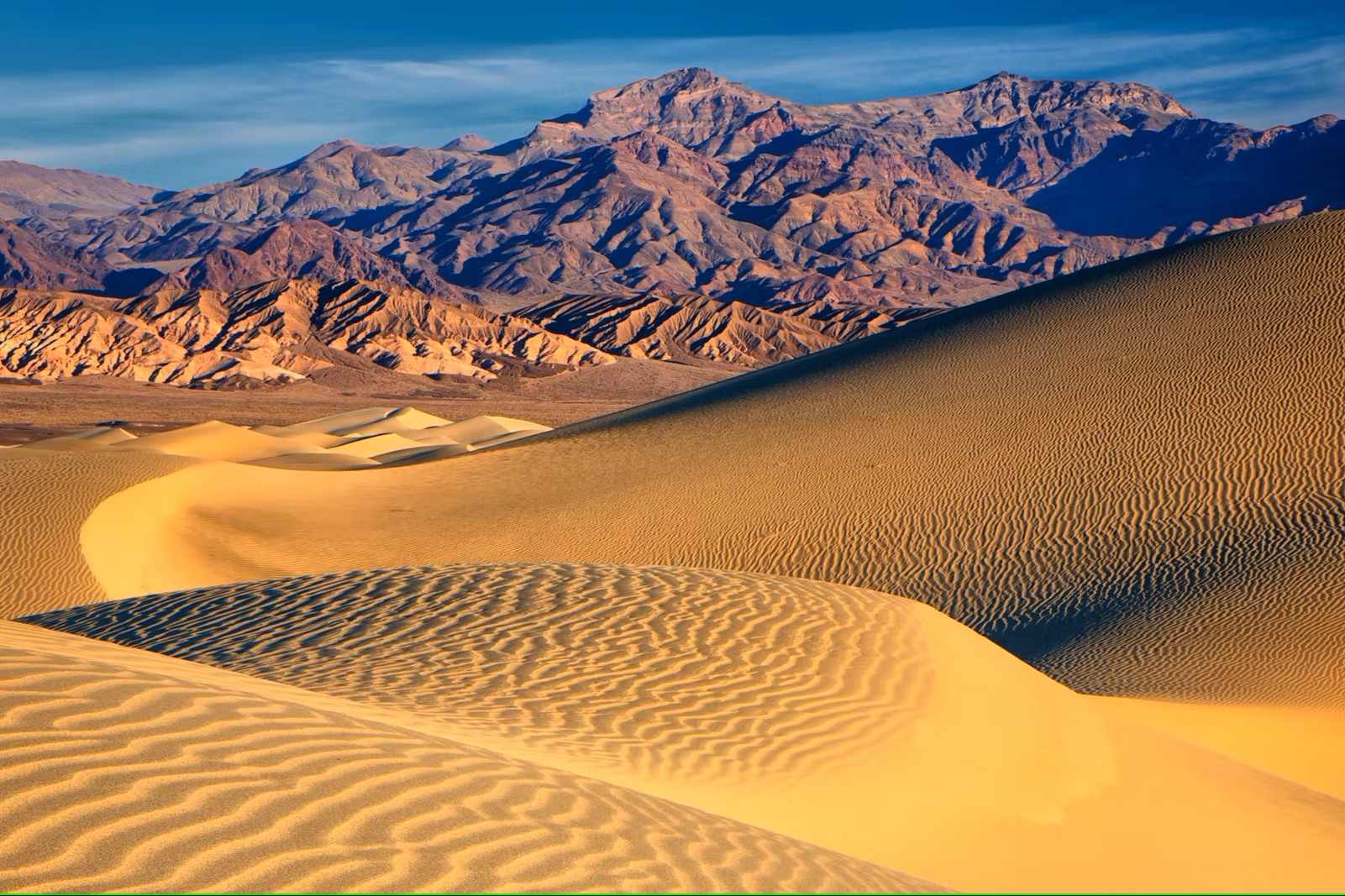
Death Valley National Park is one of the hottest places on Earth, but it is also home to a surprising variety of wildlife. The park's extreme conditions create unique challenges for the animals that live there.
Desert Bighorn Sheep Trails: These hardy animals are well-adapted to the harsh desert environment. They can be seen navigating the park's rocky slopes in search of food and water.
Kangaroo Rat Pathways: These small rodents are nocturnal and have adapted to survive without drinking water. They get all the moisture they need from the seeds they eat.
Carrizo Plain National Monument
The Carrizo Plain National Monument is a hidden gem in California's desert landscape. It is home to a variety of endangered species and offers stunning views of the surrounding mountains.
Pronghorn Antelope Corridors: These graceful animals are the fastest land mammals in North America. They use the open plains to move between feeding grounds and water sources.
San Joaquin Kit Fox Routes: These small, endangered foxes are primarily nocturnal. They use the cover of night to hunt and avoid predators.
The Importance of Protecting Desert Wildlife Corridors
California's desert wildlife corridors are vital for the survival of many species. These pathways allow animals to move freely, find food, and mate. Without them, many species could face extinction. Protecting these corridors helps maintain biodiversity, which benefits the entire ecosystem.
Human activities like urban development and road construction threaten these crucial pathways. Conservation efforts, such as creating protected areas and wildlife crossings, are essential. Supporting these initiatives can make a big difference.
Next time you visit California's deserts, remember the hidden highways that keep the ecosystem thriving. Simple actions like staying on marked trails and respecting wildlife can help preserve these corridors. By understanding and protecting these natural pathways, we ensure a future where both humans and wildlife can coexist.