

Secrets Of California’s Desert Ecosystem Restoration
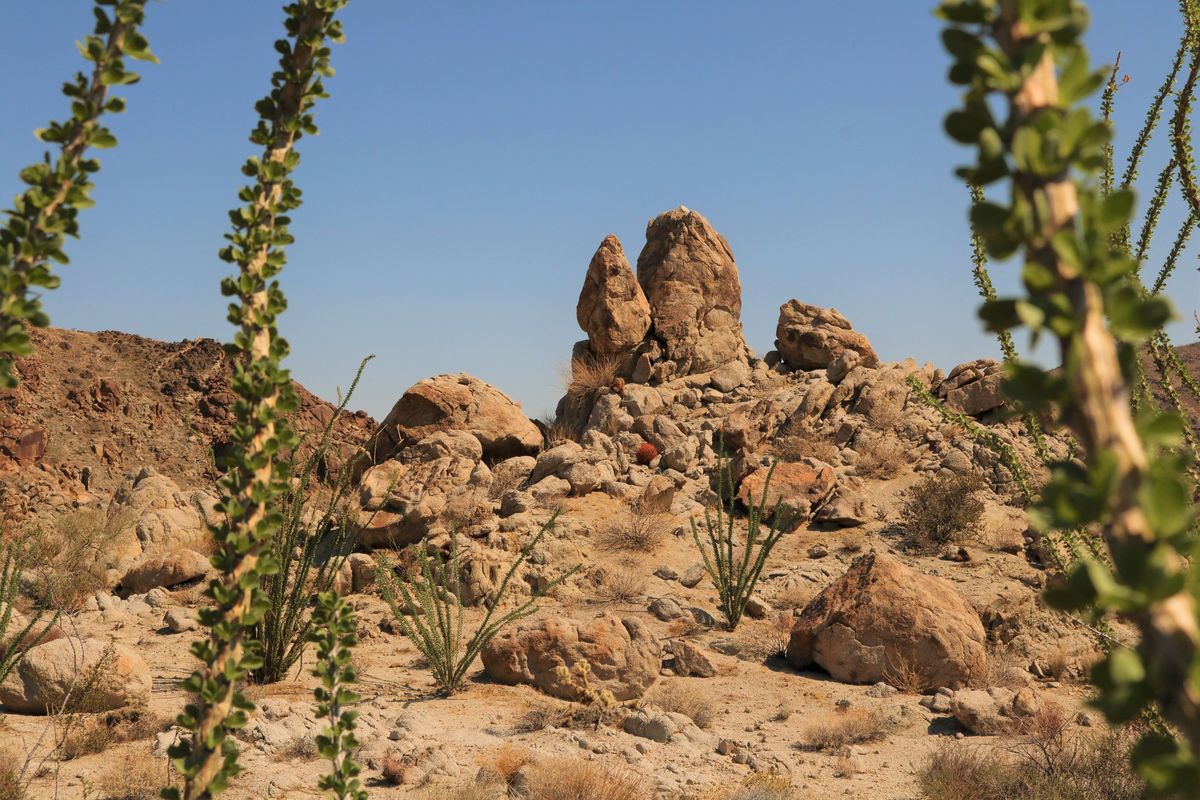
Have you ever wondered how California's desert ecosystems are being restored? These unique landscapes, home to diverse plants and animals, face threats from climate change, human activity, and invasive species. Efforts to restore these areas involve replanting native vegetation, removing invasive plants, and managing water resources. Volunteers, scientists, and local communities work together to bring life back to these fragile environments. By understanding the importance of California's desert ecosystem restoration, we can appreciate the delicate balance needed to maintain these natural wonders. Join us as we explore the fascinating world of desert restoration and the incredible efforts behind it.
Secrets of California's Desert Ecosystem Restoration
California's deserts are more than just vast stretches of sand. They are vibrant ecosystems teeming with life. Efforts to restore these unique environments are crucial. Let's explore some key places where restoration is making a difference.
Joshua Tree National Park
Joshua Tree National Park is a prime example of desert restoration. This park is home to the iconic Joshua trees and a variety of wildlife. Restoration efforts here focus on preserving native plants and animals.
- Hidden Valley: Known for its unique rock formations, Hidden Valley is a hotspot for climbers and hikers. Restoration projects aim to protect the delicate balance of flora and fauna.
- Barker Dam: This historic site provides water for wildlife. Restoration includes maintaining the dam and surrounding habitats to support local species.
- Keys View: Offers panoramic views of the Coachella Valley. Efforts here focus on reducing human impact and preserving the natural landscape.
Anza-Borrego Desert State Park
Anza-Borrego Desert State Park is California's largest state park. It boasts a diverse range of habitats, from desert scrub to palm oases. Restoration projects here are vital for maintaining this diversity.
- Borrego Palm Canyon: Home to one of the park's largest palm oases. Restoration efforts include removing invasive species and protecting native palms.
- Coyote Canyon: A critical habitat for the endangered Peninsular bighorn sheep. Restoration focuses on habitat improvement and water source management.
- Font's Point: Known for its stunning badlands, restoration here aims to prevent erosion and protect the unique geological features.
Mojave National Preserve
The Mojave National Preserve is a vast area with diverse ecosystems. Restoration projects here are essential for preserving its unique landscapes and wildlife.
- Kelso Dunes: These massive sand dunes are a key feature of the preserve. Restoration efforts focus on preventing off-road vehicle damage and protecting native plants.
- Hole-in-the-Wall: Known for its unique rock formations, this area is a hotspot for hikers. Restoration includes trail maintenance and habitat protection.
- Cima Dome: Home to one of the world's largest Joshua tree forests. Restoration efforts aim to protect these iconic trees from threats like fire and climate change.
Death Valley National Park
Death Valley National Park is one of the hottest places on Earth. Despite its harsh conditions, it supports a variety of life. Restoration projects here are crucial for maintaining this delicate balance.
- Badwater Basin: The lowest point in North America, this area is home to unique salt flats. Restoration focuses on protecting this fragile environment from human impact.
- Scotty's Castle: A historic site damaged by flooding. Restoration efforts include repairing the castle and protecting the surrounding desert habitat.
- Mesquite Flat Sand Dunes: Popular with visitors, these dunes are home to unique plant and animal species. Restoration aims to minimize human impact and preserve the natural landscape.
The Salton Sea
The Salton Sea is a unique and challenging environment. Restoration efforts here are vital for improving water quality and supporting wildlife.
- Sonny Bono Salton Sea National Wildlife Refuge: This refuge provides critical habitat for migratory birds. Restoration projects focus on habitat improvement and water management.
- Red Hill Marina: Once a popular recreation spot, now a focus for restoration. Efforts include improving water quality and creating habitats for fish and birds.
- Bombay Beach: Known for its artistic community, restoration here aims to balance human activity with environmental protection.
The Future of California's Desert Ecosystem
California's desert ecosystem holds incredible beauty and biodiversity. Restoration efforts are crucial for maintaining this unique environment. By supporting conservation projects, reducing our carbon footprint, and spreading awareness, we can help protect these fragile landscapes.
Local communities, scientists, and volunteers play vital roles in these efforts. Their work ensures that native plants and animals thrive, and that the desert remains a resilient habitat.
Next time you visit a desert area, remember the importance of preservation. Simple actions like staying on designated trails and respecting wildlife can make a big difference.
Together, we can ensure that California's deserts continue to be a sanctuary for future generations. Let's commit to being stewards of this remarkable ecosystem, safeguarding its wonders for years to come.
