Secrets Of California’s Ancient Oak Woodland Culture
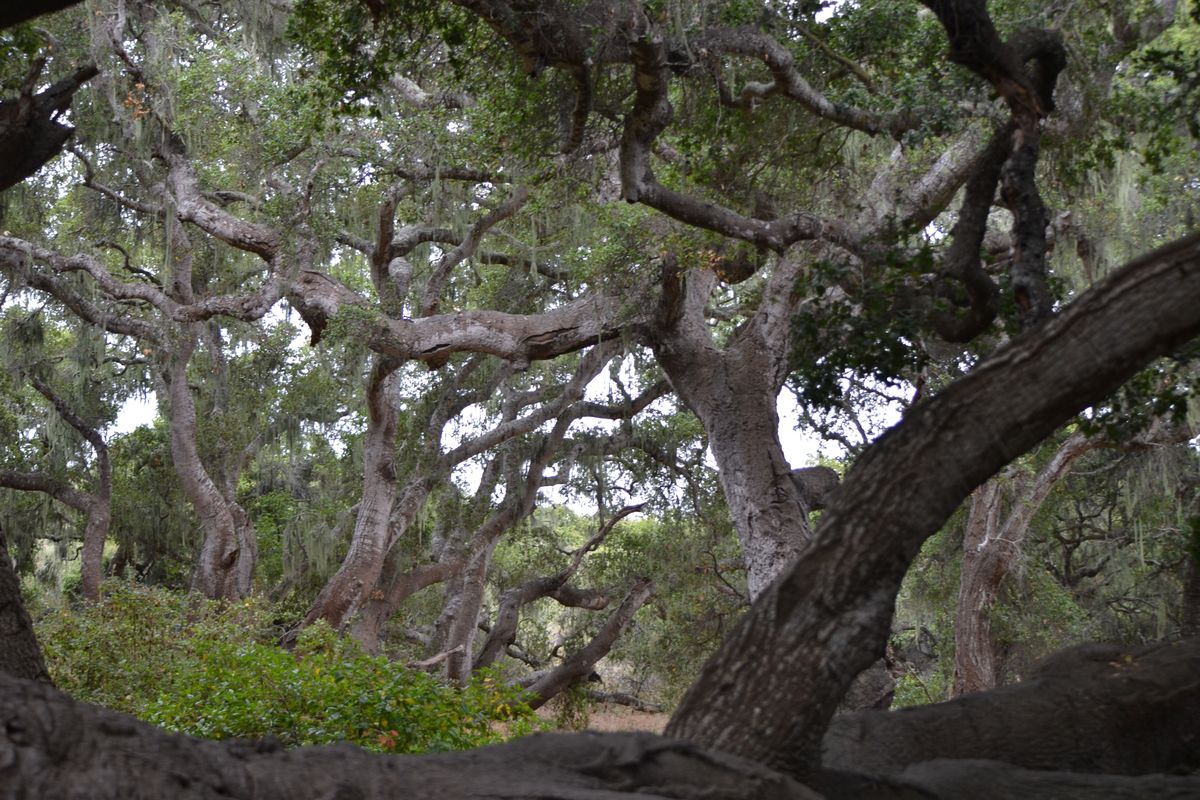
Have you ever wondered about the hidden stories within California's ancient oak woodlands? These majestic trees have witnessed centuries of history, culture, and tradition. Native American tribes, such as the Miwok and Yokuts, relied on oak woodlands for food, shelter, and medicine. Acorns, a staple in their diet, were gathered and processed into flour. Beyond sustenance, these woodlands provided materials for basket weaving, tools, and ceremonial items. Today, these areas are not just natural wonders but also cultural treasures. Exploring them offers a glimpse into the past, connecting us with the rich heritage of those who lived in harmony with nature.
Discovering California's Ancient Oak Woodland Culture
California's oak woodlands are more than just beautiful landscapes. They hold a rich history and culture that dates back thousands of years. These ancient woodlands were home to indigenous tribes who thrived on the resources provided by these majestic trees. Let's explore some of the most fascinating places where you can experience this unique culture.
1. Yosemite National Park
Yosemite is famous for its stunning granite cliffs and waterfalls, but its oak woodlands are equally captivating. The park's diverse ecosystem includes ancient oak trees that have been vital to the local indigenous tribes for centuries.
- Ahwahneechee Tribe: Learn about the Ahwahneechee people who lived in Yosemite Valley, relying on acorns as a staple food.
- Yosemite Museum: Visit the museum to see artifacts and exhibits showcasing the cultural significance of oak trees.
2. Sequoia and Kings Canyon National Parks
These parks are known for their giant sequoias, but they also feature extensive oak woodlands. The indigenous people of this region had a deep connection with these trees.
- Foothills Visitor Center: Explore exhibits on the native Yokuts and Western Mono tribes who utilized oak woodlands.
- Oak Grove Trail: Hike this trail to see ancient oak trees and learn about their ecological importance.
3. Santa Monica Mountains National Recreation Area
Located near Los Angeles, this area offers a glimpse into the oak woodland culture of the Chumash people. The Chumash had a profound relationship with the oak trees, using them for food, medicine, and tools.
- Satwiwa Native American Indian Culture Center: Discover the Chumash way of life and their use of oak woodlands.
- Mishe Mokwa Trail: Hike through oak woodlands and enjoy stunning views of the Pacific Ocean.
4. Point Reyes National Seashore
Point Reyes is not just about coastal beauty; its oak woodlands are a testament to the area's rich cultural history. The Coast Miwok people thrived here, thanks to the abundant oak trees.
- Kule Loklo: Visit this recreated Coast Miwok village to see traditional structures and learn about their oak-based diet.
- Tomales Point Trail: Hike through oak woodlands and enjoy breathtaking views of the Pacific Ocean.
5. Anza-Borrego Desert State Park
While known for its desert landscapes, Anza-Borrego also has hidden oak woodlands. The Kumeyaay people utilized these areas for their survival.
- Kumeyaay Village Site: Explore this archaeological site to see remnants of Kumeyaay life, including their use of oak trees.
- Borrego Palm Canyon Trail: Hike through diverse landscapes, including oak woodlands, to reach a beautiful palm oasis.
6. Mount Diablo State Park
Mount Diablo offers panoramic views and a rich cultural history tied to its oak woodlands. The Ohlone people lived in this region, relying on oak trees for sustenance.
- Mitchell Canyon Interpretive Center: Learn about the Ohlone culture and their use of oak woodlands.
- Summit Trail: Hike to the summit and enjoy views of ancient oak trees and the surrounding landscape.
7. Henry W. Coe State Park
This park is a hidden gem with vast oak woodlands and a rich cultural history. The Mutsun people lived here, utilizing the oak trees for various purposes.
- Visitor Center: Discover exhibits on the Mutsun culture and their relationship with oak woodlands.
- Hunting Hollow Trail: Hike through oak woodlands and enjoy the park's natural beauty.
8. Big Basin Redwoods State Park
While famous for its redwoods, Big Basin also has significant oak woodlands. The Ohlone people inhabited this area, relying on oak trees for food and materials.
- Sempervirens Room: Visit this room to learn about the Ohlone culture and their use of oak woodlands.
- Skyline to the Sea Trail: Hike through diverse landscapes, including oak woodlands, to reach the Pacific Ocean.
9. Los Padres National Forest
This vast forest offers a mix of landscapes, including ancient oak woodlands. The Chumash people lived here, utilizing the oak trees for their daily needs.
- Wheeler Gorge Visitor Center: Explore exhibits on the Chumash culture and their use of oak woodlands.
- Pine Ridge Trail: Hike through oak woodlands and enjoy stunning views of the forest.
10. Mendocino National Forest
Mendocino National Forest is a remote and beautiful area with extensive oak woodlands. The Pomo people lived here, relying on oak trees for food and materials.
- Red Bluff Recreation Area: Learn about the Pomo culture and their use of oak woodlands.
- Snow Mountain Wilderness: Hike through oak woodlands and enjoy the forest's natural beauty.
Embracing California's Oak Woodland Heritage
California's ancient oak woodlands offer more than just scenic beauty. These ecosystems are home to diverse wildlife and have deep cultural significance. Exploring these woodlands connects you to the land's history and the indigenous peoples who have lived here for centuries.
When visiting, respect the environment by staying on marked trails and not disturbing wildlife. Consider joining guided tours to learn more about the area's history and ecology. Supporting local conservation efforts helps preserve these natural treasures for future generations.
Whether you're hiking, bird-watching, or simply enjoying the tranquility, California's oak woodlands provide a unique experience. Embrace the opportunity to learn and appreciate the rich heritage of these ancient landscapes. Your visit can be both an adventure and a step towards preserving this vital part of California's natural and cultural legacy.