

Secrets Of California’s Abandoned Gold Mining Towns
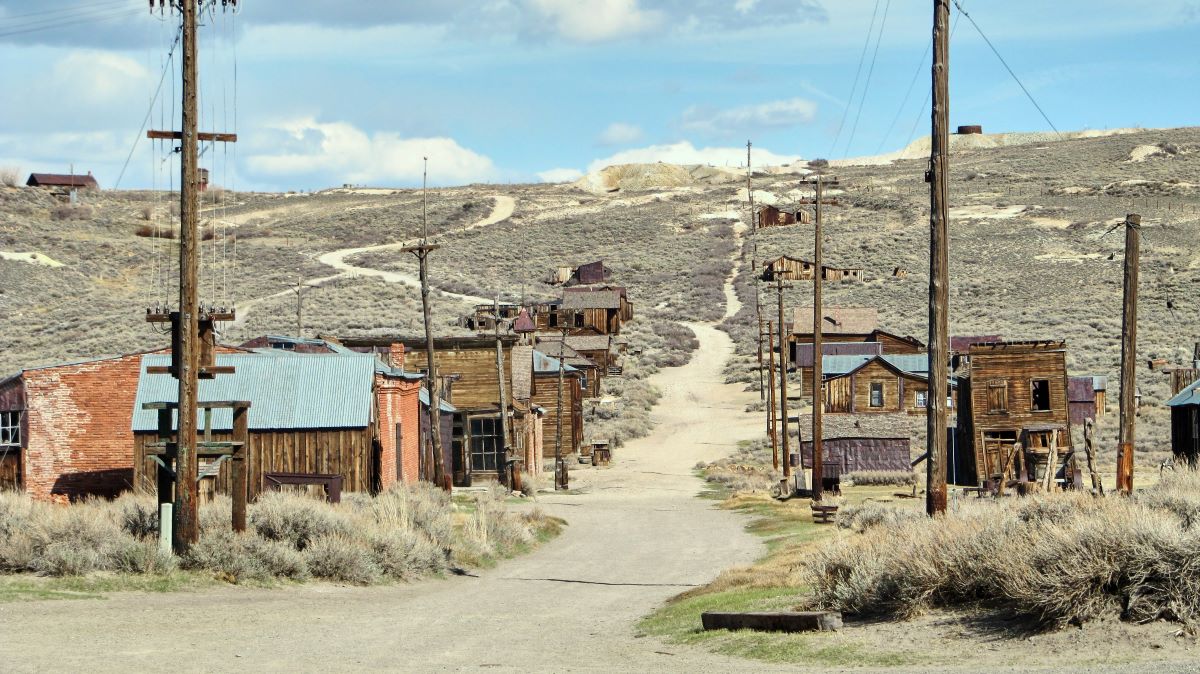
Have you ever wondered what happened to California's once-thriving gold mining towns? These places, once bustling with miners and fortune seekers, now stand silent and abandoned. Exploring these ghost towns offers a unique glimpse into the past, where you can walk through old saloons, peek into deserted homes, and imagine the lives of those who lived there. From Bodie to Calico, each town has its own story to tell. Whether you're a history buff or just looking for an adventure, visiting these abandoned gold mining towns in California is like stepping back in time. Ready to uncover their secrets?
Secrets of California's Abandoned Gold Mining Towns
California's gold rush left behind a legacy of ghost towns, each with its own unique story. These abandoned places offer a glimpse into the past, where dreams of striking it rich turned into tales of hardship and abandonment. Let's take a journey through some of the most intriguing abandoned gold mining towns in California.
Bodie: The Crown Jewel of Ghost Towns
Bodie stands as one of the best-preserved ghost towns in the United States. Once a bustling hub of activity, it now sits frozen in time, offering a hauntingly beautiful look at the past.
- Bodie State Historic Park: This park preserves the town in a state of "arrested decay," meaning buildings are maintained but not restored. Visitors can wander through the streets, peeking into homes and businesses left as they were.
Calico: The Silver Rush Town
Calico, though primarily a silver mining town, also saw its share of gold fever. Today, it offers a mix of history and entertainment, making it a popular tourist destination.
- Calico Ghost Town: Restored by Walter Knott in the 1950s, Calico offers a blend of historical buildings and recreated structures. Visitors can explore the Maggie Mine, ride the Calico & Odessa Railroad, and even pan for gold.
Cerro Gordo: The Forgotten Treasure
Perched high in the Inyo Mountains, Cerro Gordo was once a thriving silver and lead mining town. Its remote location adds to its mystique, making it a fascinating place to explore.
- Cerro Gordo Ghost Town: Recently purchased by new owners, efforts are underway to preserve and restore this historic site. Visitors can tour the old buildings, including the American Hotel and the Belshaw House.
Empire Mine: A Glimpse into the Past
Empire Mine, located in Grass Valley, was one of the oldest, largest, and richest gold mines in California. Though not a ghost town, its preserved state offers a unique look into the gold mining era.
- Empire Mine State Historic Park: This park features restored buildings, mine shafts, and a visitor center with exhibits on the history of the mine. Guided tours provide an in-depth look at the mining operations and the lives of the miners.
Malakoff Diggins: The Hydraulic Mining Marvel
Malakoff Diggins showcases the impact of hydraulic mining, a method that reshaped the landscape and left behind a unique geological formation.
- Malakoff Diggins State Historic Park: Visitors can explore the remains of the hydraulic mining operations, including the massive pit created by the water cannons. The park also features a museum and the historic town of North Bloomfield.
Columbia: The Living Ghost Town
Columbia offers a unique experience as a living ghost town, where history comes alive through reenactments and preserved buildings.
- Columbia State Historic Park: This park preserves the town as it was during the gold rush, with shops, saloons, and hotels still in operation. Visitors can take a stagecoach ride, pan for gold, and watch blacksmith demonstrations.
North Bloomfield: The Hidden Gem
Tucked away in the Sierra Nevada, North Bloomfield offers a quieter, less-visited glimpse into California's gold mining past.
- North Bloomfield Ghost Town: Part of Malakoff Diggins State Historic Park, this town features well-preserved buildings and a peaceful atmosphere. Visitors can explore the old schoolhouse, general store, and other historic structures.
Randsburg: The Living Ghost Town
Randsburg, unlike many ghost towns, still has a small population and active businesses, offering a unique blend of past and present.
- Randsburg Ghost Town: Visitors can explore the old mining equipment, visit the general store, and even grab a drink at the local saloon. The town also hosts events like the Old West Days, celebrating its rich history.
Shasta: The Gateway to the Gold Fields
Shasta served as a major supply center for miners heading to the northern gold fields. Today, it offers a well-preserved glimpse into the past.
- Shasta State Historic Park: This park features the ruins of old brick buildings, a courthouse museum, and the restored Litsch General Store. Visitors can learn about the town's history and its role in the gold rush.
Julian: The Apple of the Gold Rush
Julian, known for its apple orchards, also has a rich gold mining history. This charming town offers a mix of history and modern-day attractions.
- Julian Mining Company: Visitors can pan for gold, tour the old mines, and learn about the town's history. The town also hosts apple festivals and other events, making it a popular destination year-round.
Hidden Gems of California's Past
California's abandoned gold mining towns offer a unique glimpse into the past. These hidden gems, like Bodie and Calico, tell stories of boom and bust, adventure, and hardship. Walking through these ghost towns, you can almost hear the echoes of miners and their families who once called these places home. Exploring these sites isn't just about history; it's about experiencing a different era. The rustic buildings, old mines, and artifacts left behind paint a vivid picture of life during the Gold Rush. Visiting these towns is a journey through time, offering a deeper understanding of California's rich heritage. So, next time you plan a trip, consider stepping off the beaten path to discover the secrets of these fascinating, forgotten places.
