

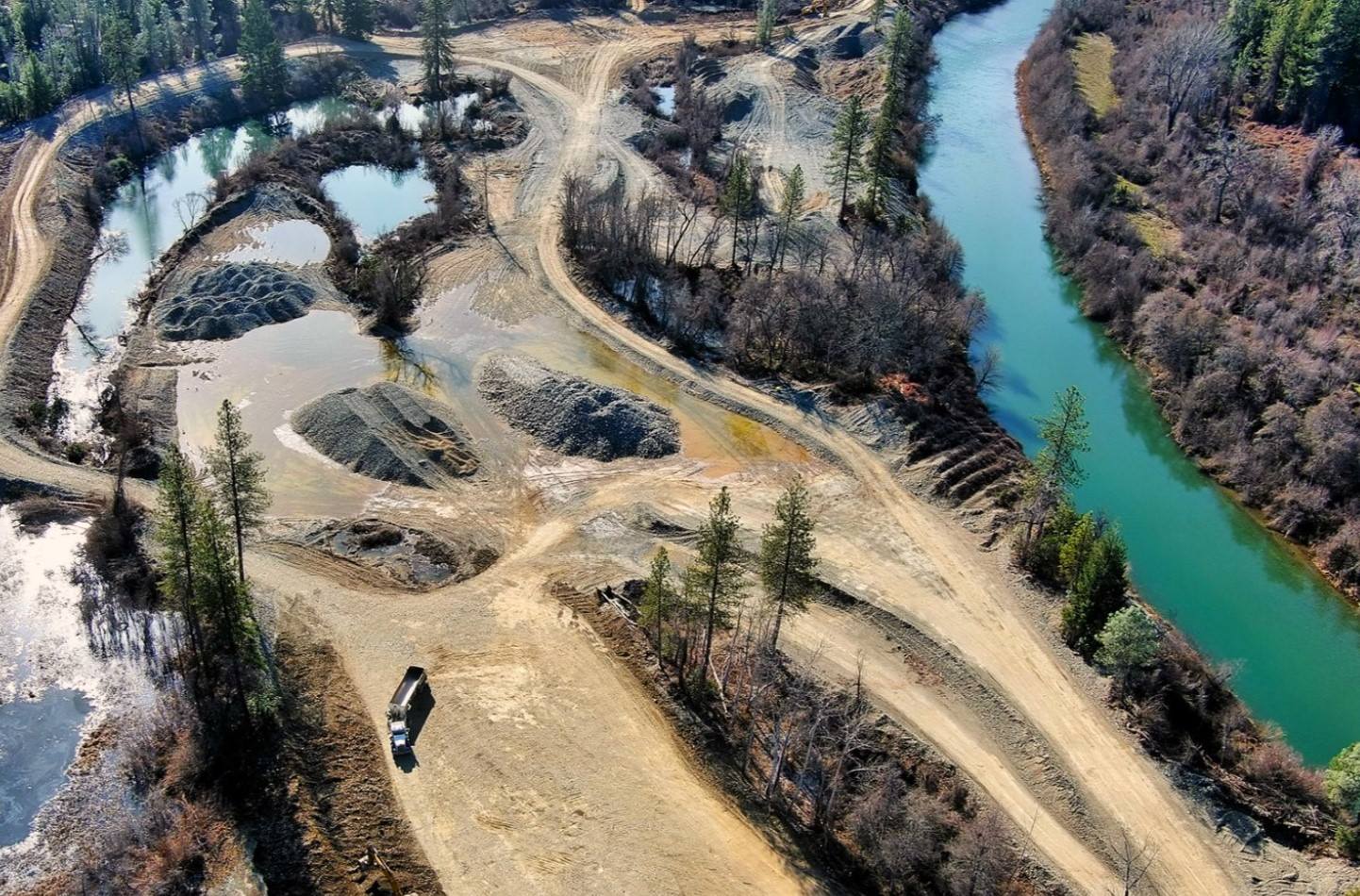
Trinity County’s lost mining claims are scattered across roughly 1.2 million acres of the Klamath Mountains, with most sites accessible only by foot or high-clearance vehicle. The county’s gold rush began in 1850 when Major Pierson Reading found placers near the Trinity River, and within three years, over 2,000 miners were working the streams.
The Allure of Trinity County's Lost Mining Claims
California's Trinity County is a place where history whispers through the trees and rivers. This area holds secrets of the past, especially in its lost mining claims. These forgotten sites tell tales of gold rush dreams and the people who chased them.
Hidden Gems in the Wilderness
Trinity County's landscape is dotted with hidden gems, where miners once toiled in search of fortune. These spots, now overgrown and forgotten, offer a glimpse into a bygone era.
-
Weaverville's Forgotten Corners
Weaverville, a historic town, was once a bustling hub during the gold rush. Today, remnants of old mining claims lie scattered around its outskirts. Exploring these areas, one can almost hear the echoes of pickaxes and the clinking of gold pans. The town's Joss House, a Chinese temple built in 1874, stands as a reminder of the diverse cultures that worked these claims. -
Rush Creek's Secret Spots
Rush Creek, winding through the county, hides many abandoned claims along its banks. These sites, now reclaimed by nature, were once alive with the hopes of striking it rich. Walking these trails, you might stumble upon old tools or even a forgotten miner's cabin. The creek's cold, clear water still carries fine gold, though the easy surface deposits were worked out by the 1860s.
Tales of Lost Fortunes
The pursuit of gold in Trinity County led many to fortune, but just as many to loss. These lost mining claims are reminders of dreams that faded into the wilderness.
-
Deadwood's Vanished Dreams
Deadwood, now a ghost town, was once a thriving mining community. The claims here were rich, but as the gold dwindled, so did the town. Today, only the wind whispers through the empty streets, telling stories of fortunes lost. The town's post office operated from 1855 to 1910, serving a population that once numbered over a thousand during peak years. -
Hayfork's Hidden History
Hayfork Valley, surrounded by mountains, was a hotspot for miners. Many claims were staked here, but few yielded the riches hoped for. The valley now holds the silent tales of those who tried and failed. The nearby Hayfork Creek still runs with color, and modern prospectors occasionally pan for recreation, though the easy pickings are long gone.
Nature Reclaims the Past
As time marches on, nature slowly reclaims these lost mining claims. Trees and plants grow over old paths, and wildlife returns to areas once bustling with human activity.
-
Trinity River's Overgrown Claims
The Trinity River, a lifeline for miners, now flows quietly past overgrown claims. These sites, once cleared and worked, are now havens for wildlife. Exploring these areas, you can see how nature has taken back what was once hers. Salmon and steelhead still spawn in the river's gravel beds, a sign that the ecosystem has recovered from the hydraulic mining that once choked the water with sediment. -
Coffee Creek's Forgotten Trails
Coffee Creek, a tributary of the Trinity River, winds through dense forests. Along its banks, forgotten trails lead to old claims. These paths, now covered in leaves and moss, are a testament to the passage of time and the resilience of nature. The creek's upper reaches were once home to the short-lived town of Ramshorn, which boasted a hotel and saloon before the gold ran out in the 1870s.
Echoes of the Gold Rush Era
The gold rush era left an indelible mark on Trinity County. These lost mining claims are echoes of a time when dreams of gold drove people to the edges of the wilderness.
-
Lewiston's Silent Claims
Lewiston, a small community, was once a bustling mining town. The claims here, now silent, were part of the gold rush frenzy. Walking through this area, you can almost feel the excitement and desperation of those who once sought their fortunes here. The town's old flume system, built in the 1860s to carry water to dry diggings, still traces its way through the hills. -
Douglas City's Abandoned Riches
Douglas City, nestled in the heart of Trinity County, was a key location during the gold rush. Many claims were made here, but as the gold ran out, so did the miners. Today, the abandoned claims serve as a reminder of the fleeting nature of fortune. The town's name honors Stephen Douglas, the same politician who later debated Abraham Lincoln, and its main street once hosted thirteen saloons during the peak years.
These lost mining claims of Trinity County are more than just historical sites; they are stories waiting to be told. Each location holds a piece of the past, inviting us to step back in time and imagine the lives of those who once walked these lands. The region's remote character means that some of the more obscure claims, particularly those in the backcountry along the South Fork of the Trinity River, have never been systematically surveyed, leaving the door open for the possibility that a rich pocket of gold still sits undiscovered beneath the forest floor.
Hidden Treasures Await
California's Trinity County holds secrets of lost mining claims that continue to fascinate treasure hunters and history buffs. These claims, once bustling with miners seeking fortune, now lie forgotten, waiting for someone to uncover their stories. Exploring these sites offers a glimpse into the past, where dreams of gold shaped lives and communities. The county's mining history is well-documented in the Trinity County Historical Society's archives in Weaverville, where claim maps and old photographs show the extent of the diggings.
While some claims remain elusive, others have been rediscovered, sparking renewed interest in the area's rich history. Whether you're a seasoned prospector or just curious, Trinity County invites you to explore its rugged landscapes and imagine the lives of those who once toiled there. The Bureau of Land Management maintains a few public panning areas, but most of the old claims sit on private property or within the Shasta-Trinity National Forest, so check local regulations before you dig.
Remember, though, that these lands are part of a delicate ecosystem. Respect for the environment and local regulations is crucial. So, grab a map, lace up your boots, and embark on an adventure that could lead to untold stories and maybe even a bit of gold. The trailheads around the Trinity River and Coffee Creek offer the best access, and the gems secrets hidden in California are waiting for those willing to look past the obvious and into the overgrown gullies where the old-timers left their marks.
Related travel guides: Hidden Mining Claims Of California's Downieville and Hidden Mining Claims Of California's Angels Camp.
