

Hidden Stories Of California’s Japanese Historic Farmsteads
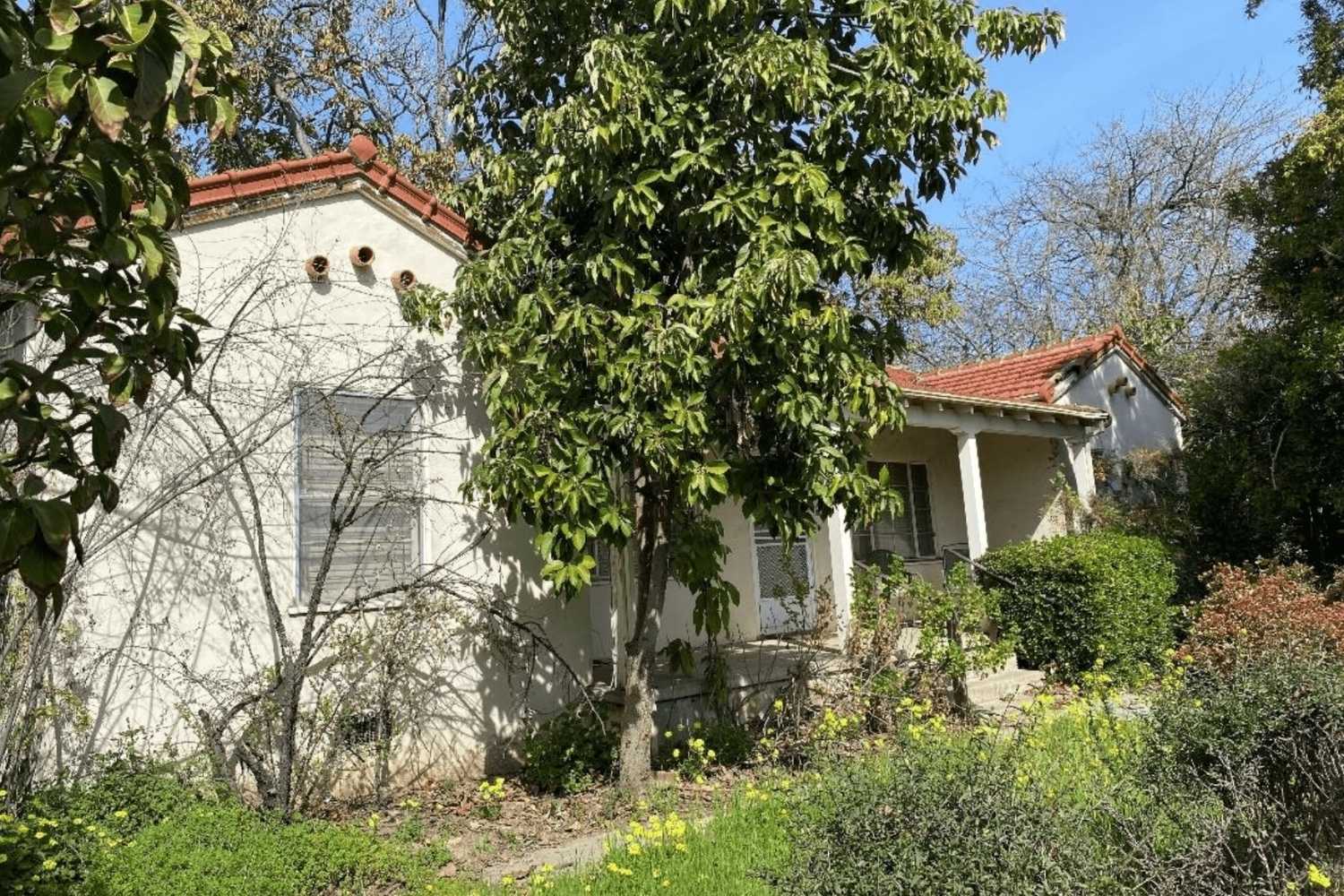
Have you ever wondered about the hidden stories behind California's Japanese historic farmsteads? These unique places offer a glimpse into the lives of Japanese immigrants who settled in California during the early 20th century. They faced many challenges, including harsh working conditions and discrimination, yet they built thriving communities. Visiting these farmsteads today, you can see the remnants of their hard work and resilience. From traditional Japanese gardens to old farmhouses, each site tells a story of perseverance and cultural heritage. Exploring these farmsteads not only enriches your understanding of history but also honors the legacy of those who came before us.
Hidden Stories of California's Japanese Historic Farmsteads
California's landscape is dotted with historic farmsteads that tell the story of Japanese immigrants who cultivated the land and built communities. These farmsteads offer a glimpse into the past, showcasing resilience, innovation, and cultural heritage. Let's explore some of these fascinating places.
1. Yamato Colony
The Yamato Colony in Livingston, Merced County, was established in 1906 by Japanese immigrants. This farming community thrived by growing peaches, grapes, and other crops. The colony's success helped pave the way for future Japanese agricultural endeavors in California.
2. Wakamatsu Tea and Silk Colony
Located in Placerville, the Wakamatsu Tea and Silk Colony was the first Japanese settlement in North America, founded in 1869. Although the colony faced many challenges, it remains a significant historical site. Visitors can tour the original farmhouse and learn about the settlers' efforts to grow tea and silk.
3. San Jose Japantown
San Jose Japantown is one of the last three remaining Japantowns in the United States. Established in the early 20th century, it became a hub for Japanese farmers who sold their produce at the local market. Today, it offers a blend of historical landmarks, cultural events, and delicious cuisine.
4. Wintersburg Historic Japanese Farmstead
Wintersburg, located in Huntington Beach, was home to a thriving Japanese farming community in the early 1900s. The farmstead includes historic buildings like the Wintersburg Japanese Presbyterian Mission and the Furuta family farm. Efforts are ongoing to preserve this important site.
5. Florin Japanese American Community
Florin, near Sacramento, was once a bustling center for Japanese American farmers. Known for its strawberry fields, Florin's Japanese community faced hardships during World War II but rebuilt their lives post-war. The Florin Japanese American Citizens League Hall stands as a testament to their resilience.
6. Terminal Island
Terminal Island in Los Angeles Harbor was home to a vibrant Japanese fishing community before World War II. The island's residents were skilled fishermen and farmers who contributed significantly to the local economy. Though the community was displaced during the war, the island's history remains a poignant chapter in Japanese American heritage.
7. Walnut Grove
Walnut Grove, situated along the Sacramento River, was a diverse farming community that included Japanese immigrants. The town's Japanese section, known as "Japantown," featured homes, businesses, and a Buddhist temple. Today, Walnut Grove's rich history is preserved through its historic buildings and cultural events.
8. Cortez Colony
The Cortez Colony in Stanislaus County was founded in 1919 by Japanese immigrants seeking to establish a cooperative farming community. They successfully cultivated crops like peaches, grapes, and almonds. The colony's legacy lives on through the Cortez Hall, which hosts community events and preserves the colony's history.
9. Guadalupe Japanese Community
Guadalupe, located in Santa Barbara County, had a significant Japanese farming community in the early 20th century. These farmers grew vegetables and flowers, contributing to the local economy. The Guadalupe-Nipomo Dunes Center offers exhibits and tours that highlight the area's Japanese heritage.
10. Oxnard Japanese Community
Oxnard, in Ventura County, was home to a thriving Japanese farming community known for its sugar beet fields. The Japanese farmers played a crucial role in the development of the local agricultural industry. The Murakami family farm, one of the oldest in the area, still operates today, preserving the community's history.
11. Clarksburg Japanese Community
Clarksburg, nestled in the Sacramento-San Joaquin Delta, had a small but significant Japanese farming community. These farmers specialized in growing grapes and other crops. The Clarksburg Japanese School, established in the 1920s, served as a cultural and educational center for the community.
12. Lodi Japanese Community
Lodi, in San Joaquin County, became a hub for Japanese grape growers in the early 20th century. The community faced challenges during World War II but rebuilt their lives and businesses afterward. The Lodi Japanese American Citizens League Hall stands as a reminder of their perseverance and contributions.
13. Sebastopol Japanese Community
Sebastopol, located in Sonoma County, had a vibrant Japanese farming community known for its apple orchards. The Japanese farmers introduced innovative agricultural techniques that boosted productivity. The Sebastopol Japanese American Citizens League Hall preserves the history and heritage of this community.
14. Dinuba Japanese Community
Dinuba, in Tulare County, was home to a thriving Japanese farming community in the early 1900s. These farmers grew a variety of crops, including grapes, peaches, and vegetables. The Dinuba Japanese American Citizens League Hall serves as a cultural center, celebrating the community's history and achievements.
15. Reedley Japanese Community
Reedley, located in Fresno County, had a significant Japanese farming community known for its vineyards and orchards. The Japanese farmers contributed to the development of the local agricultural industry. The Reedley Japanese American Citizens League Hall stands as a testament to their hard work and dedication.
Preserving California's Japanese Farmstead Legacy
California's Japanese historic farmsteads offer a glimpse into a rich cultural heritage. These sites tell stories of resilience, community, and tradition. Visiting these farmsteads, you can appreciate the hard work and dedication of Japanese immigrants who shaped California's agricultural landscape.
Exploring these historic sites is not just about learning history. It's about honoring the contributions of Japanese farmers who faced numerous challenges yet thrived. Their legacy lives on in the fields they cultivated and the communities they built.
Supporting preservation efforts ensures these stories are not forgotten. By visiting, donating, or volunteering, you help keep this important history alive. Next time you're in California, take a moment to visit these farmsteads. You'll walk away with a deeper understanding and appreciation of the Japanese-American experience.
