

Curious Patterns Of California’s Death Valley Salt Flats
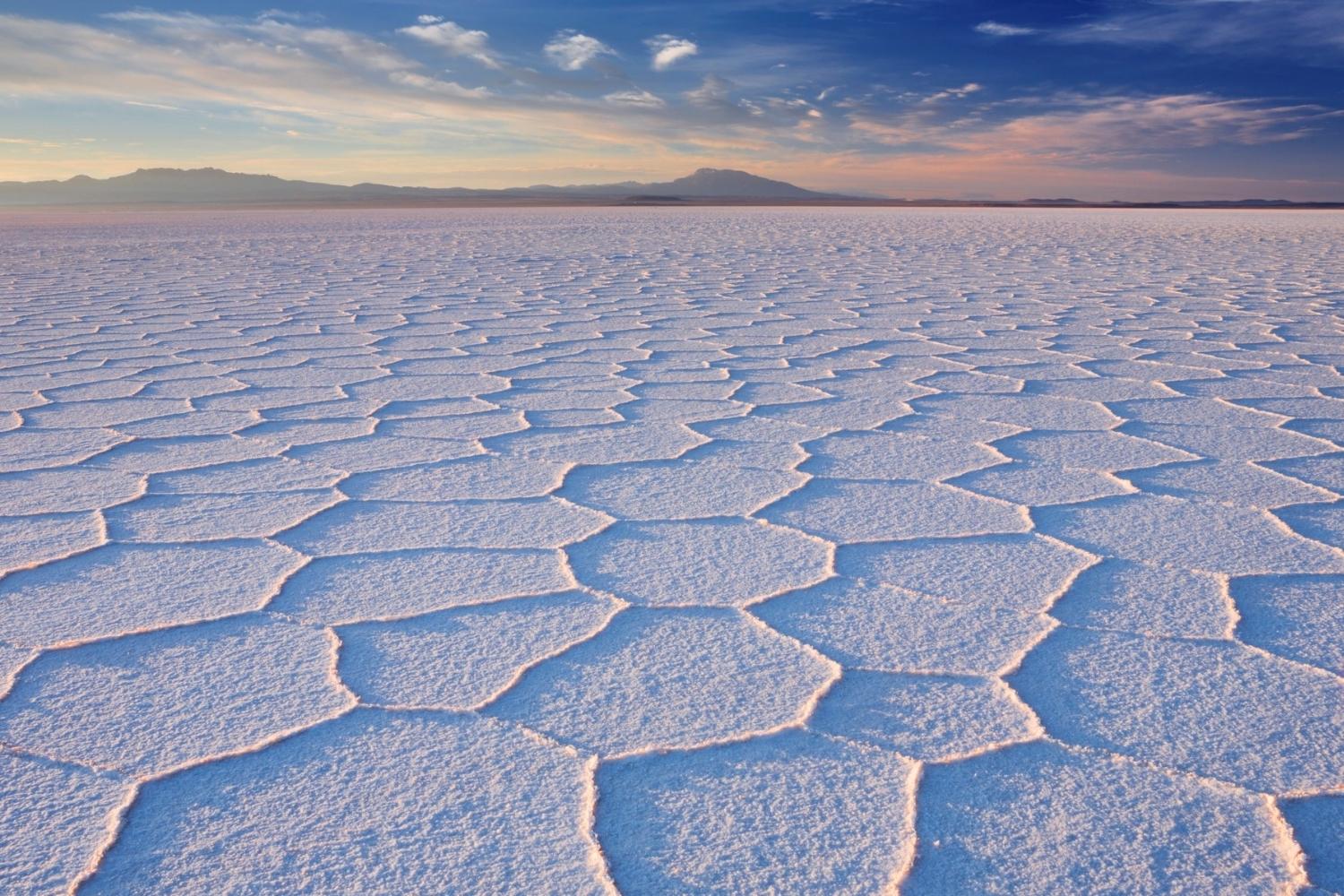
Have you ever wondered about the curious patterns found in California's Death Valley Salt Flats? These natural formations are not only stunning but also tell a story of extreme conditions and geological processes. Located in one of the hottest places on Earth, the salt flats create a mesmerizing landscape of hexagonal shapes and intricate designs. Formed by the evaporation of ancient lakes, these patterns are a result of the unique climate and mineral composition of the area. Whether you're a geology enthusiast or just love unique landscapes, the salt flats offer a fascinating glimpse into the natural world. Ready to learn more about this incredible phenomenon?
The Enigmatic Beauty of Death Valley Salt Flats
Death Valley's salt flats are a mesmerizing sight. These vast, white expanses stretch as far as the eye can see, creating a surreal landscape that feels otherworldly. Let's explore some of the most curious patterns found in this unique environment.
The Hexagonal Crusts
One of the most striking features of Death Valley's salt flats is the hexagonal crusts that form on the surface. These geometric shapes are not just visually stunning but also scientifically fascinating.
Badwater Basin: The lowest point in North America, Badwater Basin, is home to some of the most well-defined hexagonal salt patterns. The salt crusts here are formed by the repeated cycle of flooding and evaporation, leaving behind a thick layer of salt that cracks into hexagonal shapes.
Devil's Golf Course: This area is named for its rough, uneven terrain, which is said to be so jagged that only the devil could play golf on it. The salt formations here are less uniform but equally intriguing, with sharp, spiky crusts that create a dramatic landscape.
The Moving Rocks
Another mysterious phenomenon in Death Valley's salt flats is the moving rocks. These rocks, some weighing hundreds of pounds, appear to move across the flat surface, leaving long trails behind them.
- Racetrack Playa: This dry lakebed is famous for its "sailing stones." The rocks here move due to a combination of ice formation, wind, and the slick, muddy surface created by occasional rain. The trails left behind by these rocks can stretch for hundreds of feet, creating an eerie and puzzling sight.
The Salt Polygons
Salt polygons are another fascinating pattern found in Death Valley. These large, polygonal shapes form on the salt flats and can be several feet across.
- Cottonball Marsh: This area gets its name from the cottonball-like salt formations that dot the landscape. The salt polygons here are formed by the expansion and contraction of the salt crust, creating large, interconnected shapes that resemble a giant jigsaw puzzle.
The Colorful Salt Pans
While most of the salt flats in Death Valley are a stark white, some areas display a surprising array of colors. These colorful salt pans are created by the presence of different minerals and microorganisms.
Ubehebe Crater: Near this volcanic crater, the salt flats take on a reddish hue due to the presence of iron oxide. The contrast between the red salt and the surrounding white flats creates a striking visual effect.
Salt Creek: This area is home to a unique species of pupfish that can survive in the salty water. The salt flats here are tinged with green and yellow, thanks to the algae and other microorganisms that thrive in the briny environment.
The Cracked Mud Flats
In addition to the salt formations, Death Valley's flats also feature extensive areas of cracked mud. These patterns are formed by the drying and shrinking of the mud after it has been saturated with water.
Mesquite Flat Sand Dunes: Located near Stovepipe Wells, these dunes are surrounded by cracked mud flats that create intricate, web-like patterns. The contrast between the smooth dunes and the rough, cracked mud adds to the area's visual appeal.
Panamint Valley: This valley features large expanses of cracked mud flats, with some cracks measuring several inches wide. The patterns here are constantly changing as the mud dries and rehydrates, creating a dynamic and ever-evolving landscape.
Death Valley's salt flats are a testament to the power of nature's forces. From hexagonal crusts to moving rocks, these curious patterns offer a glimpse into the complex and beautiful processes that shape our planet.
The Beauty of Death Valley's Salt Flats
Death Valley's salt flats offer a unique and mesmerizing landscape. The hexagonal patterns formed by the salt are a natural wonder, attracting photographers, scientists, and curious travelers. These formations result from the evaporation of water, leaving behind salt deposits that create intricate designs. Visiting during sunrise or sunset enhances the experience, as the light casts dramatic shadows across the flats.
Exploring this area provides a glimpse into the power of nature and its ability to create stunning art. Whether you're an avid hiker, a nature lover, or someone seeking a unique adventure, the salt flats of Death Valley should be on your list. Remember to bring plenty of water, wear sun protection, and respect the delicate environment. The beauty and mystery of this place will leave a lasting impression, making it a memorable part of any trip to California.
