Curious Adaptations Of California’s Joshua Tree
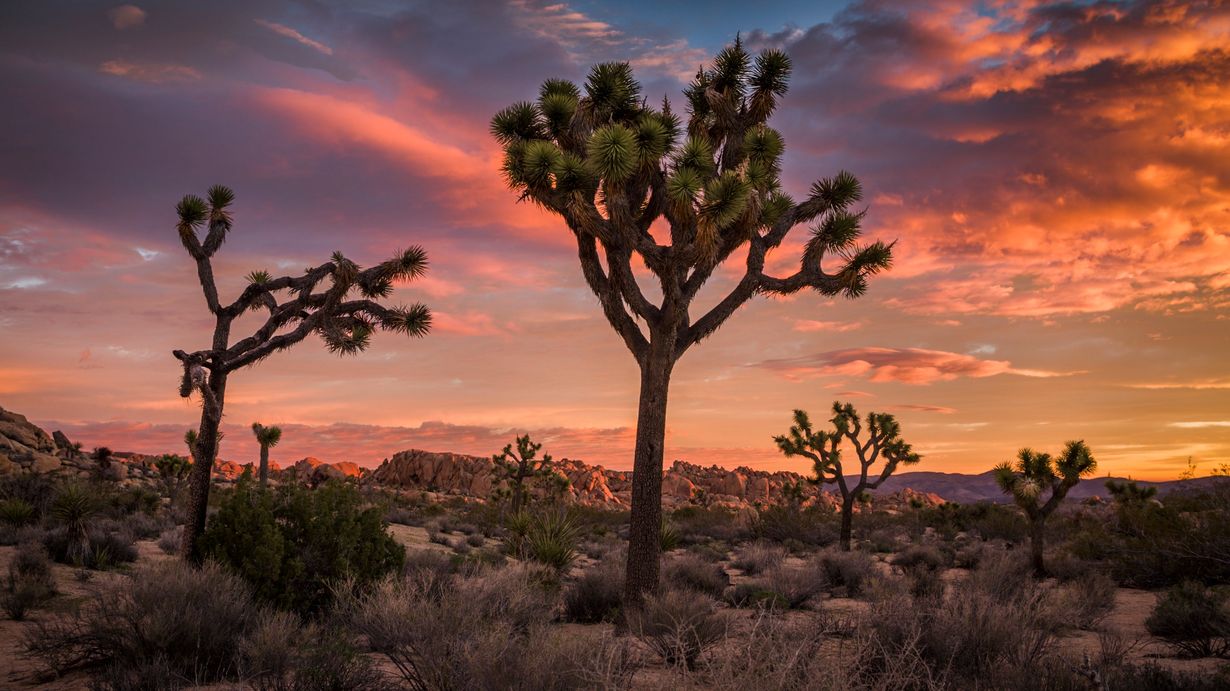
Have you ever wondered how the Joshua Tree survives in the harsh desert environment of California? This unique tree, with its twisted branches and spiky leaves, has some fascinating adaptations that help it thrive where other plants might wither. From its deep root system that taps into underground water sources to its ability to store moisture in its thick, fibrous trunk, the Joshua Tree is a true desert survivor. Its leaves are narrow and pointed, reducing water loss, while its flowers attract specific moths for pollination. These adaptations make the Joshua Tree not just a plant, but a symbol of resilience in the arid landscape.
The Unique Environment of Joshua Tree National Park
Joshua Tree National Park, located in southeastern California, is a land of stark contrasts and unique beauty. Named after the iconic Joshua Tree, this park offers a diverse range of landscapes, from rugged mountains to vast desert plains. The park's unique environment has led to some fascinating adaptations among its flora and fauna.
Adaptations of the Joshua Tree
The Joshua Tree itself is a marvel of adaptation. This tree, which is actually a type of yucca, has evolved to thrive in the harsh desert environment. Its thick, spiky leaves reduce water loss, while its deep root system allows it to access underground water sources. The tree's unique shape also helps it capture sunlight efficiently.
Wildlife Adaptations in Joshua Tree National Park
The animals of Joshua Tree National Park have also developed remarkable adaptations to survive in this challenging environment. Here are some examples:
Desert Tortoise: These reptiles have adapted to the desert by developing the ability to store water in their bladders, which they can reabsorb when needed. They also dig burrows to escape the extreme heat.
Kangaroo Rat: This small rodent has adapted to the desert by developing the ability to metabolize water from the seeds it eats, allowing it to survive without drinking water. Its large hind legs help it jump great distances to escape predators.
Coyote: Coyotes in Joshua Tree have adapted to the desert environment by becoming opportunistic feeders. They eat a wide variety of foods, from small mammals to fruits and insects, allowing them to survive even when food is scarce.
Black-tailed Jackrabbit: This hare has large ears that help dissipate heat and keep it cool. It also has powerful hind legs that allow it to run at high speeds to escape predators.
Chuckwalla: This large lizard has adapted to the desert by developing the ability to inflate its body to wedge itself into tight rock crevices, making it difficult for predators to extract it. It also has a diet that consists mainly of desert plants, which provide it with the moisture it needs.
Plant Adaptations in Joshua Tree National Park
The plants of Joshua Tree National Park have also developed unique adaptations to survive in the harsh desert environment. Here are some examples:
Creosote Bush: This plant has small, waxy leaves that reduce water loss. It also has a deep root system that allows it to access water deep underground. The creosote bush can live for thousands of years, making it one of the longest-living plants in the world.
Mojave Yucca: Similar to the Joshua Tree, the Mojave Yucca has thick, spiky leaves that reduce water loss. It also has a deep root system and can reproduce both sexually and asexually, allowing it to spread and thrive in the desert.
Cholla Cactus: This cactus has developed spines that not only protect it from herbivores but also provide shade, reducing water loss. Its shallow root system allows it to quickly absorb any available moisture from rain.
Ocotillo: This plant has long, spindly stems that can quickly grow leaves after a rainstorm, allowing it to photosynthesize and store energy. When the soil dries out, the leaves fall off to reduce water loss.
Beavertail Cactus: This cactus has flat, paddle-shaped pads that store water. Its spines provide shade and reduce water loss, while its shallow roots quickly absorb any available moisture.
Human Impact and Conservation Efforts
Human activities have had a significant impact on Joshua Tree National Park. Efforts are being made to conserve this unique environment and protect its flora and fauna. Here are some examples:
Visitor Education: Park rangers educate visitors about the importance of staying on designated trails to protect the fragile desert ecosystem. They also provide information about the unique adaptations of the park's plants and animals.
Habitat Restoration: Efforts are being made to restore damaged habitats within the park. This includes removing invasive plant species and replanting native vegetation.
Water Conservation: Water is a precious resource in the desert. The park has implemented water conservation measures, such as installing low-flow toilets and encouraging visitors to bring their own water.
Wildlife Protection: The park has implemented measures to protect its wildlife, such as installing wildlife crossings to reduce roadkill and monitoring populations of endangered species.
Research and Monitoring: Ongoing research and monitoring efforts help park managers understand the health of the ecosystem and make informed decisions about conservation strategies.
The Unique Charm of Joshua Trees
Joshua Trees are more than just plants; they are symbols of resilience and adaptation. These unique trees have evolved to thrive in the harsh conditions of the Mojave Desert. Their twisted, spiky branches and ability to store water make them fascinating examples of nature's ingenuity. Visiting Joshua Tree National Park offers a chance to see these remarkable trees up close. The park's stunning landscapes and diverse wildlife add to the experience. Whether you're hiking, rock climbing, or simply enjoying the view, the Joshua Tree provides a unique backdrop. Understanding their adaptations helps us appreciate the delicate balance of desert ecosystems. Protecting these trees ensures future generations can enjoy their beauty. Next time you see a Joshua Tree, remember its story of survival and adaptation. It’s a reminder of nature's incredible ability to adapt and thrive in even the most challenging environments.