

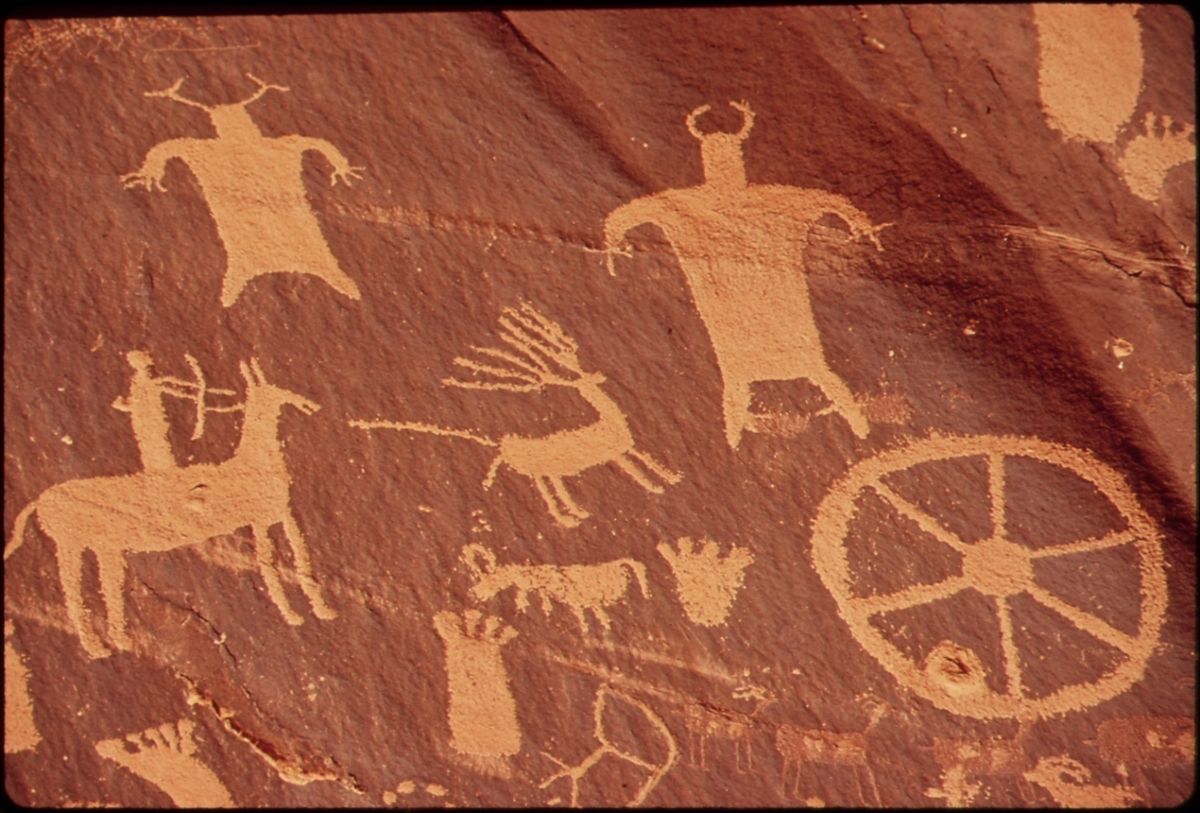
Arkansas’s ancient petroglyphs are scattered across at least 81 documented sites, with more than 1,100 pictographs and petroglyphs recorded as of 2025. These carvings offer a look at the art and beliefs of early Native American cultures, and you can see them in person at several state parks and archaeological sites.
What Are Petroglyphs?
Petroglyphs are rock carvings created by removing part of a rock surface through incising, pecking, or carving. These symbols and figures have been found worldwide. In Arkansas, these carvings provide clues about the people who once roamed the land.
Why Are Arkansas’s Petroglyphs Important?
Arkansas’s petroglyphs help us understand the cultural and spiritual lives of the Native American tribes who lived in the region long before European settlers arrived. These carvings can depict everything from daily life to spiritual beliefs, making them invaluable for historians and archaeologists.
Where Can You Find Arkansas’s Ancient Petroglyphs?
Arkansas is home to several sites where these carvings can be found. Each location offers its own set of symbols and stories etched into stone.
-
Petit Jean State Park
Petit Jean State Park is home to Rock House Cave, where visitors can see ancient petroglyphs and pictographs. These carvings offer a look at the art and beliefs of early Native American cultures. -
Toltec Mounds Archeological State Park
Located near Little Rock, this park is one of the most significant archaeological sites in the state. While primarily known for its mounds, the park also features petroglyphs that provide insight into the lives of the Plum Bayou people who inhabited the area over a thousand years ago. -
Indian Rock House Cave
Situated in the Buffalo National River area, Indian Rock House Cave was used by Native Americans for shelter and ceremonies, and the petroglyphs here are a testament to their presence and activities. -
Devil’s Den State Park
This park, located in the Ozark Mountains, is known for its natural beauty and history. Among its attractions are petroglyphs that offer a glimpse into the lives of the people who once called this area home. The carvings here are a reminder of the connection between the land and its early inhabitants. While you’re exploring, you might also uncover some of the mysteries inside Arkansas' Devil's Den. -
Arkansas Post National Memorial
As the first European settlement in the lower Mississippi River Valley, Arkansas Post has a long history. The site also contains petroglyphs that predate European arrival, providing a look at the area’s earlier inhabitants and their interactions with the land.
How Can You Experience These Petroglyphs?
Visiting these sites offers an opportunity to connect with the past. Many of these locations have trails and guided tours that allow visitors to see the petroglyphs up close. Respect these carvings, as they are fragile and irreplaceable pieces of history. If you’re planning a trip, you’ll find that hiking and the outdoors in Arkansas often lead you right past these ancient markers.
Reflecting on Arkansas’s Ancient Petroglyphs
Arkansas’s ancient petroglyphs offer a glimpse into the past. These rock carvings tell stories of early inhabitants, their beliefs, and daily lives. Each symbol carved into stone holds a piece of history, waiting to be understood. While some meanings remain elusive, ongoing research and technology help unravel these mysteries. Visiting these sites allows you to connect with history in a tangible way, imagining the people who once walked the same paths. Respect for these sites is crucial, ensuring they remain preserved for future generations. Whether you’re a history buff or just curious, exploring these petroglyphs can be a rewarding experience. They remind us of the cultural heritage that exists in our backyard. So next time you’re in Arkansas, take a moment to appreciate these ancient artworks and the stories they silently tell.
Related travel guides: Secrets Of Virginia's Ancient Petroglyphs, Mysteries Inside Arkansas' Devil's Den, and Michigan's Sanilac Petroglyphs Ancient Artwork Revealed.
