

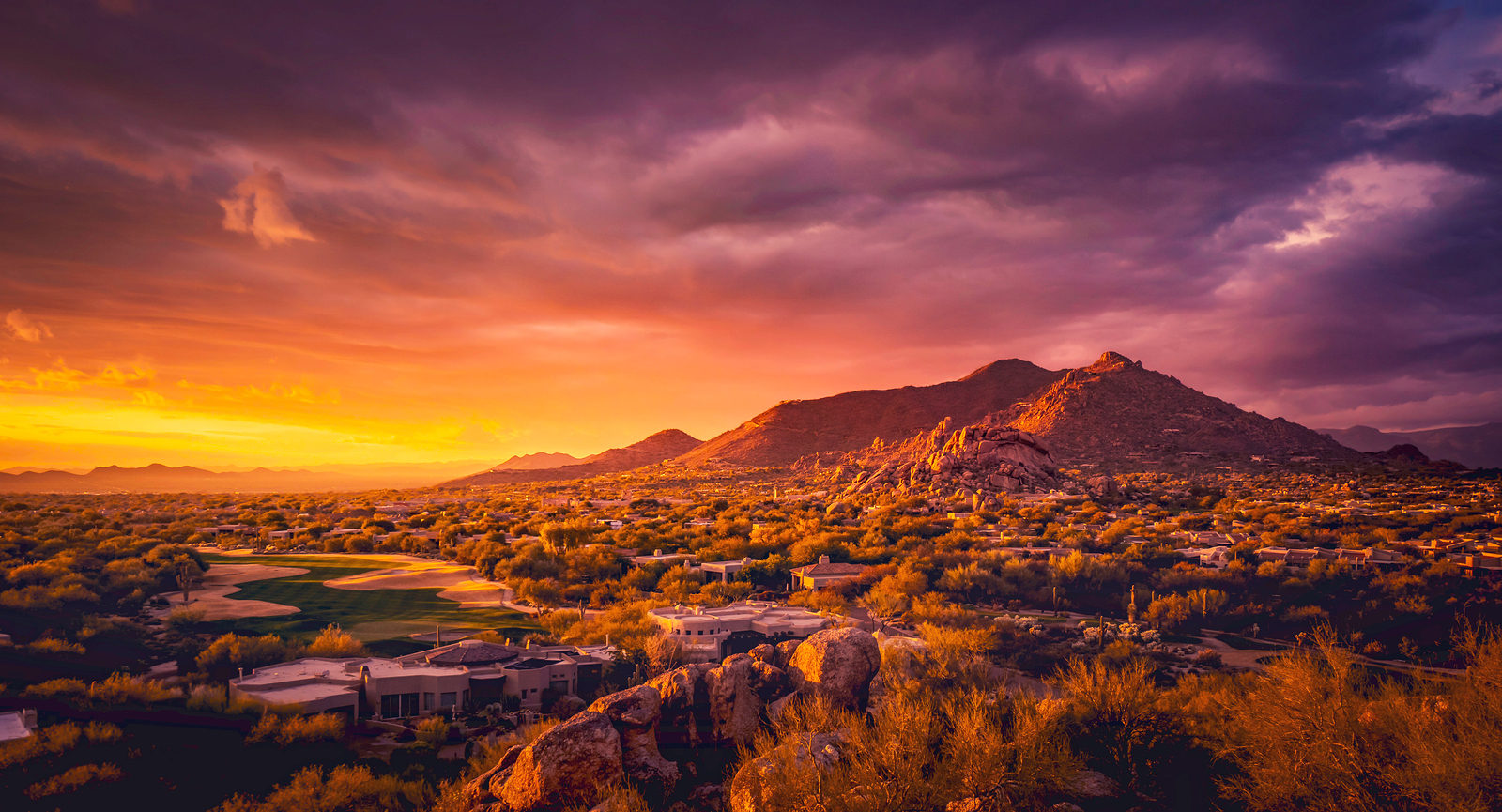
The best things to do in Arizona in March are to visit the Grand Canyon and Sedona, where the mild weather and smaller crowds make iconic sights more accessible. However, you must book accommodations and activities well ahead, as they fill up quickly during this popular month. From hiking the Bright Angel Trail or rafting the Colorado River at the Grand Canyon to exploring Sedona’s red rock trails and spiritual vortexes, March offers ideal conditions for outdoor adventure without peak-season congestion.
Explore the Grand Canyon
No visit to Arizona would be complete without experiencing the awe-inspiring beauty of the Grand Canyon. March is an ideal time to visit, as temperatures are pleasant and crowds are relatively smaller compared to peak summer.
There are multiple ways to explore the Grand Canyon. You can start by taking in the views from the South Rim, where numerous lookout points offer panoramic vistas. For a more adventurous experience, consider hiking trails such as the Bright Angel Trail or the challenging Rim-to-Rim hike.
If you're short on time, take a helicopter or airplane tour for a bird's-eye view of the canyon's size and rock formations. For a more immersive experience, embark on a whitewater rafting trip along the Colorado River, navigating through the heart of the canyon past towering cliffs and cascading waterfalls.
Plan your visit in advance, especially during March. Book accommodations and activities well ahead, as they fill up quickly. Dress in layers, as temperatures vary throughout the day.
Visiting the Grand Canyon promises an unforgettable experience, whether you explore by foot, air, or water.
Visit Sedona
Nestled amidst the stunning red rock formations of Arizona's desert landscapes, Sedona is a destination that will captivate your senses. Known for its vibrant energy, spiritual vortexes, and breathtaking beauty, Sedona is a must-visit location in March.
One of the highlights of Sedona is its abundance of hiking trails that offer panoramic views of the iconic red rock formations. Some popular trails include Cathedral Rock, Bell Rock, and Devil's Bridge. Whether you're a seasoned hiker or prefer a leisurely stroll, there are trails suitable for all levels of fitness.
In addition to hiking, Sedona is also renowned for its wellness and spiritual retreats. The area is said to be home to powerful energy vortexes, which are believed to promote healing and spiritual growth. Many visitors seek out these vortex sites to meditate, recharge, and connect with nature.
Aside from outdoor activities, Sedona is also known for its vibrant arts scene. The city is dotted with art galleries showcasing a diverse range of artistic styles and mediums. You can spend hours exploring the galleries, admiring the works of both local and internationally recognized artists.
For a unique experience, consider taking a jeep tour to explore the rugged landscapes and hidden gems of Sedona. These off-road adventures will take you to beautiful viewpoints and allow you to discover the area's geological wonders up close.
Lastly, don't forget to indulge in the culinary delights of Sedona. The city is home to a thriving culinary scene, featuring a mix of southwestern flavors and international cuisine. From farm-to-table restaurants to charming cafes, there's something to satisfy every palate.
March is an ideal time to visit Sedona, as the weather is pleasant and the landscapes come alive with bursts of color from blooming wildflowers. Whether you're seeking outdoor adventures, spiritual enlightenment, or simply a serene getaway, Sedona offers it all.
Remember to respect the natural environment and follow any guidelines or restrictions in place to preserve this sacred destination for future generations to enjoy.
Experience the Tucson Festival of Books
If you're a book lover, March is the perfect time to visit Arizona and immerse yourself in the literary world at the Tucson Festival of Books. Held annually at the University of Arizona campus in Tucson, this festival is a celebration of literature, creativity, and cultural exchange.
The Tucson Festival of Books attracts over 100,000 visitors each year. The event brings together authors, publishers, literary enthusiasts, and families for a weekend filled with author presentations, panel discussions, book signings, and interactive workshops.
During the festival, you'll have the opportunity to meet and engage with renowned authors from various genres, including fiction, non-fiction, mystery, and children's literature. From Pulitzer Prize winners to emerging voices, the festival offers a diverse and stimulating lineup of speakers.
In addition to author events, the festival features a bustling marketplace where you can browse and purchase books, literary merchandise, and artwork. There are also food vendors offering a wide range of delicious treats to fuel your reading adventures.
For families, the Tucson Festival of Books offers a dedicated Children's Area with interactive storytelling sessions, crafts, and activities to foster a love for reading and learning in young minds.
It's worth noting that the Tucson Festival of Books promotes literacy and supports local educational programs through the proceeds generated from the event. By attending the festival, you're not only indulging in your passion for books but also contributing to a meaningful cause.
Make sure to check the festival's schedule and plan your visit accordingly. Some popular author sessions may require advance registration, so be sure to secure your spot in advance.
Immerse yourself in the world of literature, connect with fellow bookworms, and discover new literary gems at the Tucson Festival of Books. It's a captivating event that will leave you inspired and eager to dive into your next literary adventure.
Attend the Arizona Renaissance Festival
Step back in time at the Arizona Renaissance Festival, held annually from February to March in Apache Junction, just outside of Phoenix. This interactive outdoor event spans several weekends, transporting visitors to a world of knights, maidens, jousting tournaments, and lively entertainment.
Upon entering the festival grounds, you'll find a vibrant village with period-themed shops, artisan booths, and food vendors serving medieval fare like giant turkey legs and mead. Stroll the streets, shop for handcrafted wares, and sample the food.
Highlights include live entertainment: jousting tournaments, theatrical performances, music, and dance shows. Watch acrobats, fire breathers, and jugglers. Witness skilled artisans demonstrating blacksmithing, glassblowing, and pottery—a chance to learn ancient techniques and buy unique handmade souvenirs.
The festival embraces themed weekends such as Pirate Invasion, Time Travelers, and Celtic Celebration. Each weekend offers a different experience, so you can attend multiple times. Dress in Renaissance attire or rent a costume from festival shops to fully immerse yourself in the ambiance.
Whether you're a history enthusiast, a fan of fantasy, or seeking a unique experience, attending the Arizona Renaissance Festival is a must—a chance to step into a different time and enjoy a lively celebration of the Renaissance era.
Hike in Saguaro National Park
For nature lovers and outdoor enthusiasts, a visit to Saguaro National Park is a must when in Arizona. Located just outside of Tucson, this national park is home to the iconic saguaro cactus, which stands tall and proud amidst the desert landscape.
Saguaro National Park offers a variety of hiking trails that cater to all skill levels, making it the perfect destination for a memorable hiking experience in March. The park is divided into two sections, the East District and the West District, both of which showcase the beauty and diversity of the Sonoran Desert.
Explore the trails that wind through dense saguaro forests, providing opportunities to encounter these majestic cacti up-close. One of the most popular hikes is the Cactus Forest Loop Drive, which offers a scenic drive with multiple pullouts to admire the vast saguaro forests and breathtaking desert vistas.
For a more adventurous hiking experience, the Tanque Verde Ridge Trail in the East District is a challenging but rewarding trail that offers panoramic views of the surrounding desert and mountain ranges. Make sure to come prepared with plenty of water, sun protection, and appropriate footwear, as the desert can be unforgiving.
In addition to hiking, Saguaro National Park is a haven for wildlife enthusiasts. Keep an eye out for native species such as javelinas, roadrunners, and Gila monsters. Birdwatchers will be delighted to spot various species of birds, including the impressive Harris's hawk and the colorful vermilion flycatcher.
If you're interested in learning more about the natural and cultural history of the park, make a stop at the Visitor Centers in each district. They offer exhibits, educational programs, and guided walks to enrich your understanding of the unique ecosystem of Saguaro National Park.
March is the ideal time to visit Saguaro National Park, as the temperatures are moderate, and the cacti may be in full bloom, displaying vibrant flowers. The landscape comes alive with color, making your hiking experience even more picturesque.
As with any outdoor excursion, remember to practice Leave No Trace principles by respecting the natural environment and packing out what you bring in. Stay on designated trails and be mindful of the fragility of the desert ecosystem.
Hiking in Saguaro National Park is a memorable experience that allows you to connect with nature and witness the majesty of the saguaro cactus. Lace up your hiking boots and embark on an adventure through the magnificent Sonoran Desert.
Discover the Antelope Canyon
If you're seeking otherworldly beauty and a photographer's paradise, a visit to Antelope Canyon is a must. Located near Page, Arizona, this stunning slot canyon is a natural wonder.
Antelope Canyon is divided into two sections: Upper Antelope Canyon (also known as "The Crack") and Lower Antelope Canyon (also known as "The Corkscrew"). Both sections offer unique landscapes created over centuries by wind and water.
The swirling patterns and sculpted walls create an ethereal atmosphere that changes with the angle and intensity of sunlight. Narrow passageways and stunning light beams make it a favorite among photographers and nature enthusiasts.
Access to Antelope Canyon is regulated. The canyon can only be visited with a guided tour, and reservations are recommended, especially during the peak season in March. Tours are led by knowledgeable Navajo guides who share stories, legends, and the geological significance of the canyon.
To capture the best photographs, consider visiting during optimal times when sunlight pours into the canyon creating light beams. Midday is popular for capturing these beams in Upper Antelope Canyon, while Lower Antelope Canyon offers views during different times of day.
Exploring Antelope Canyon requires maneuvering through narrow passages and climbing ladders, so be prepared for physical exertion. Dress appropriately with sturdy shoes and protect camera equipment from fine dust present in the canyon.
While Antelope Canyon can be crowded at times, the sculpted sandstone walls, vibrant hues, and interplay of light and shadow create a mesmerizing journey through this natural wonder.
Check the official website of tour companies for updates on tour availability and any restrictions due to preservation efforts.
Antelope Canyon is a photographer's dream and a sight to behold. Prepare your camera and be amazed as you explore the enchanting depths of this natural wonder.
Enjoy the Spring Training Baseball Games
For sports enthusiasts and baseball fans alike, March in Arizona means one thing - Spring Training. Each year, Major League Baseball teams flock to Arizona to prepare for the upcoming season, creating an exciting atmosphere for fans to enjoy the sport up close.
Spring Training games take place in various ballparks across the state, offering the opportunity to witness professional baseball players in action before the regular season begins. The Cactus League, which consists of 15 teams, has its headquarters in Arizona, attracting fans from all over the country.
Attending a Spring Training baseball game offers a more laid-back and intimate atmosphere compared to regular season games, with smaller crowds, affordable ticket prices, and the chance to get closer to the action. You can see your favorite players up close, get autographs, and capture memorable moments.
Whether you're a die-hard fan or new to the sport, Spring Training games provide a relaxed environment to immerse yourself in baseball. You can cheer on your team, indulge in classic ballpark food, and enjoy the beautiful Arizona weather.
Many stadiums are located close to one another, making it possible to catch multiple games in a single day and experience different ballparks, each with its unique atmosphere and amenities.
Plan ahead by checking schedules and ticket availability for the teams you're interested in. Purchase tickets in advance, as popular games can sell out quickly.
Spring Training games in Arizona start in late February and run through March, with practice sessions and games happening throughout the week. It's an ideal time to escape winter chill and enjoy warm Arizona sunshine while taking in America's favorite pastime.
So, grab your glove, put on your team's colors, and get ready to root for your favorite players at a Spring Training baseball game in Arizona.
Wander through Phoenix's Botanical Gardens
Escape the city and immerse yourself in nature at the Desert Botanical Garden in Phoenix. This botanical paradise showcases the diverse plant life of the desert and offers a peaceful retreat.
Spread across 140 acres, the garden is home to over 50,000 desert plants representing more than 4,000 species. As you wander through the curated gardens, you'll encounter a wide variety of cacti, succulents, and other desert flora.
March is an ideal time to visit, as the weather is pleasantly warm and many plants are in bloom, adorning the garden with vibrant colors. Witness desert wildflowers, marvel at towering saguaros, and admire the unique adaptations of desert plants.
The garden offers walking trails for different interests and fitness levels. You can explore at your own pace or join a guided tour to learn about the plants and desert ecosystem. Don't miss the Desert Discovery Loop Trail, which provides a deeper understanding of desert life through interactive exhibits and educational displays.
The garden also hosts events and exhibitions throughout the year, from art installations to outdoor concerts. Check the garden's schedule for special events during your visit.
The Steele Herb Garden lets you learn about the uses of desert plants for culinary, medicinal, and cultural purposes. It's a fascinating exploration of desert communities' history and heritage.
After a leisurely stroll, relax at the garden's several dining options, offering indoor and outdoor seating. Enjoy a meal or snack surrounded by the natural beauty of the desert.
Whether you're a botany enthusiast, a nature lover, or simply seeking a peaceful retreat, the Desert Botanical Garden is a must-visit destination. It showcases the extraordinary beauty and resilience of desert plant life and provides an oasis of serenity in the heart of the city.
Take a leisurely stroll, capture stunning photographs, and let the beauty of the desert captivate your senses at the Desert Botanical Garden in Phoenix.
Take a Hot Air Balloon Ride in Scottsdale
Experience the landscapes of Arizona from a unique perspective by taking a hot air balloon ride in Scottsdale. Soar above the Sonoran Desert as the sun rises, casting a golden glow on the surrounding mountains and valleys.
Scottsdale is known for its scenic beauty, and a hot air balloon ride allows you to witness the stunning vistas from a bird's-eye view. Imagine floating through the sky, feeling the gentle breeze as you take in panoramic views of the desert landscape, adorned with cacti, wildflowers, and wildlife.
Hot air balloon rides offer a tranquil experience as you glide above the desert, allowing you to appreciate the vastness of Arizona's natural beauty. The experience is both peaceful and exhilarating, as you witness the ever-changing colors and textures of the landscape below.
Rides are typically scheduled for early mornings when the winds are calm and the temperature is cooler. As you ascend, you'll catch the first rays of sunlight illuminating the desert, creating a magical atmosphere for capturing photographs.
Many hot air balloon companies in Scottsdale offer a complete experience, including pre-flight briefing, inflation of the balloon, and a post-flight celebration with champagne or sparkling cider to toast your journey.
It's important to choose a reputable company that prioritizes safety and has experienced pilots. Check their safety records and read reviews from other passengers before booking.
A hot air balloon ride is a serene way to connect with nature and create lasting memories. It showcases the natural beauty of Arizona and allows you to embrace the sense of adventure that comes with floating among the clouds.
Soaring above the Sonoran Desert in a hot air balloon is an experience that will leave you with a newfound appreciation for Arizona's landscape and the possibilities of adventure.
Discover the Historic Town of Tombstone
Step back in time and immerse yourself in the Wild West at the historic town of Tombstone, Arizona. Known as "The Town Too Tough to Die," Tombstone offers a glimpse into the fascinating history and legends of the American frontier.
Tombstone was once a thriving silver mining town, and today it has been carefully preserved to capture the essence of its heyday in the late 1800s. Walking down the streets of Tombstone feels like stepping into a Western movie set, with its wooden boardwalks, historic buildings, and vintage saloons.
A visit to Tombstone is not complete without experiencing the famous Gunfight at the O.K. Corral. This historic reenactment brings to life the infamous shootout that occurred between the Earp brothers and the Clanton-McLaury gang. Witness the drama unfold as actors recreate the legendary gunfight.
Explore the historic buildings of Tombstone, including the Bird Cage Theatre, once a popular theater and gambling hall. Today, it stands as a museum, offering a fascinating look into the town's colorful past. You can also visit the Tombstone Courthouse State Historic Park, which houses exhibits and artifacts from the town's early days.
If you're a fan of the paranormal, Tombstone is rumored to be one of the most haunted towns in the United States. Take a ghost tour to delve into the eerie tales and ghostly legends that surround this historic town. Whether you believe in ghosts or not, it's sure to add an extra touch of excitement to your visit.
While in Tombstone, be sure to enjoy some authentic Western cuisine in one of the many saloons and restaurants. Savor the flavors of hearty cowboy fare and imagine what it was like to dine in the Wild West.
Tombstone also hosts various events and festivals throughout the year, celebrating its Western heritage. From Wyatt Earp Days to Helldorado Days, these events bring the town to life with reenactments, parades, and live performances.
Visiting Tombstone is like stepping back in time, where you can immerse yourself in the legends of the Wild West. Explore the historic sites, engage in the rich history, and embrace the adventurous spirit that permeates this iconic town.
Remember to take a moment to appreciate the preservation efforts that have allowed Tombstone to maintain its charm and authenticity, ensuring that future generations can continue to experience the allure of the Old West.
Explore the Petrified Forest National Park
Embark on a journey through time and discover the wonders of the Petrified Forest National Park in Arizona. This unique and expansive park is a testament to the remarkable geological history of the region, showcasing ancient petrified trees that have turned to stone over millions of years.
Petrified Forest National Park is located in northeastern Arizona and encompasses over 200 square miles of stunning landscapes. The park is renowned for its colorful petrified wood, ancient fossils, breathtaking vistas, and diverse ecosystems.
As you explore the park, you'll encounter countless petrified logs scattered across the desert floor. These logs, dating back over 200 million years, have been transformed into beautiful crystallized formations due to the process of mineralization. Marvel at the vibrant hues and intricate patterns that have been preserved within the petrified trees.
In addition to the petrified wood, the park is also home to stunning badlands, mesas, and buttes that have been eroded by wind and water. Take a hike along the park's trails and witness the vibrant colors of the Painted Desert, a mesmerizing landscape of layered rock formations that seem to change color with the shifting sunlight.
The park is also rich in archaeological sites, with evidence of human habitation dating back thousands of years. Visit the Puerco Pueblo and Newspaper Rock, where you can see ancient petroglyphs etched into the rocks, offering a glimpse into the lives and traditions of the indigenous people who once called this area home.
A visit to Petrified Forest National Park is an opportunity to connect with both ancient history and natural beauty. Take a scenic drive along the park's roads or explore the hiking trails that wind through the diverse landscapes. Keep an eye out for wildlife such as pronghorn antelope, mule deer, and numerous bird species that call the park home.
Remember to respect the park's preservation efforts by not collecting or damaging any petrified wood or artifacts. Taking only photographs and leaving only footprints ensures the preservation of this unique natural treasure.
March is an excellent time to visit the Petrified Forest National Park, as the temperatures are mild, and the park is less crowded compared to peak tourist seasons. Pack plenty of water, sun protection, and comfortable walking shoes to enjoy your exploration of this geological and archaeological wonder.
Discover the extraordinary beauty and ancient history of the Petrified Forest National Park, and let its captivating landscapes transport you to a time long ago. It's an opportunity to connect with the natural wonders that have shaped this fascinating corner of Arizona.
Conclusion
Arizona in March offers a wealth of experiences for travelers seeking adventure, natural beauty, history, and cultural immersion. From the Grand Canyon to Sedona, the state showcases diverse landscapes and heritage.
Exploring the Grand Canyon lets you witness one of the world's most iconic natural wonders. Sedona's red rocks and spiritual energy captivate the senses, offering outdoor adventures and rejuvenation.
The Tucson Festival of Books attracts over 100,000 visitors each year, providing a platform to engage with renowned authors. The Arizona Renaissance Festival takes you back to the era of knights and maidens, with jousting tournaments and medieval entertainment.
Saguaro National Park offers hiking trails amidst towering saguaro cacti. Antelope Canyon presents a photographer's paradise with swirling patterns and shafts of light illuminating narrow passages.
March is the perfect time for Spring Training baseball games in Arizona, where you can watch professional teams in a relaxed setting. Phoenix's Botanical Gardens provide a serene escape showcasing the desert's unique flora.
A hot air balloon ride in Scottsdale offers stunning landscapes from a different perspective. The historic town of Tombstone immerses you in the Wild West, with the Gunfight at the O.K. Corral and frontier history.
Lastly, the Petrified Forest National Park takes you through time with ancient petrified wood, stunning badlands, and archaeological sites offering a glimpse into Arizona's geological and cultural past.
Whether you're an outdoor enthusiast, history buff, nature lover, or cultural explorer, Arizona in March has something for everyone. It invites you to connect with natural beauty, immerse in rich traditions, and create lasting memories.
As you plan your visit, check for travel advisories, prioritize safety, and respect the environment and local communities.
