

Secrets Of Arizona’s Wupatki Basin Villages
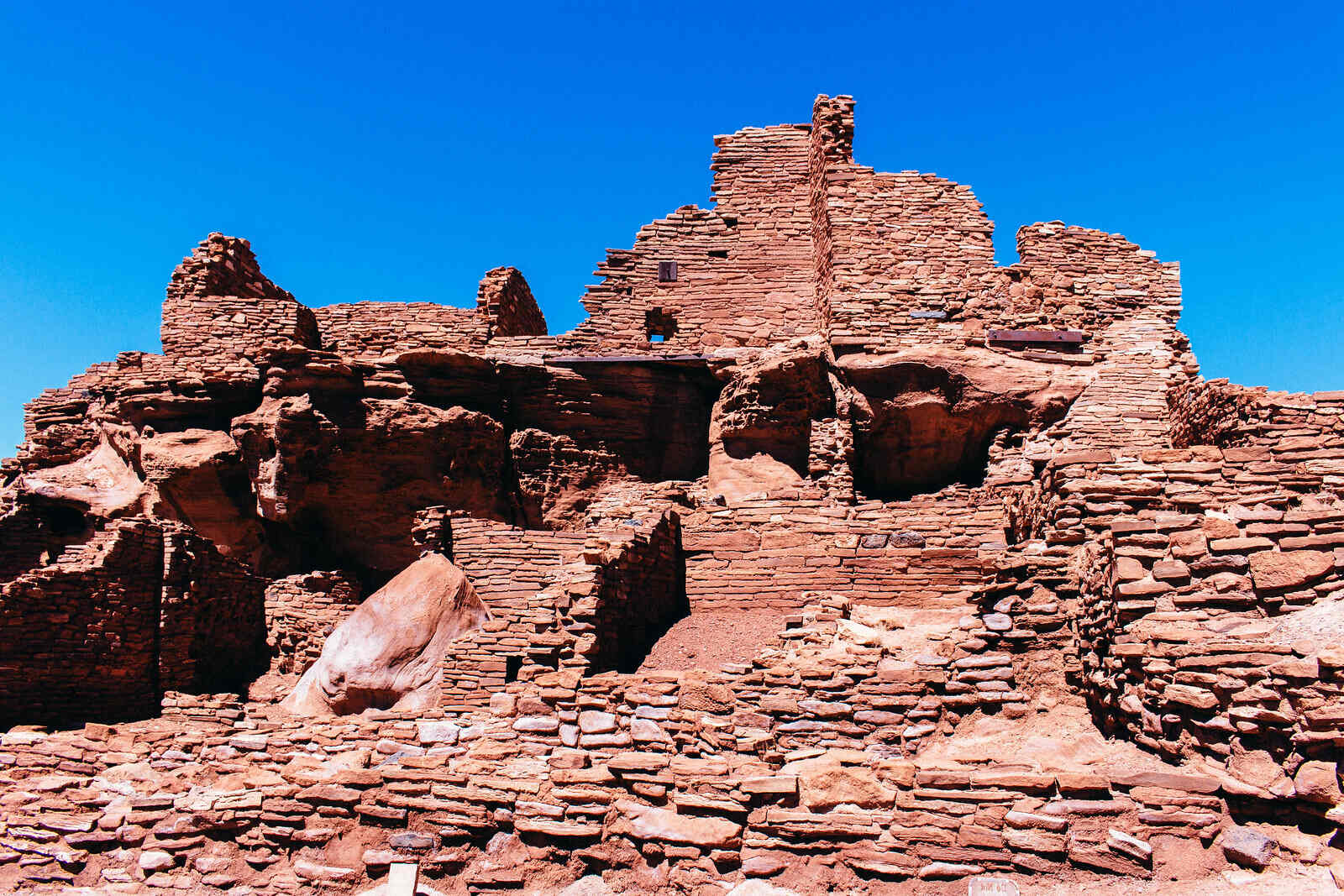
Have you ever wondered about the hidden gems of Arizona? Wupatki Basin Villages offer a glimpse into ancient history and breathtaking landscapes. Nestled in the high desert, these villages were once bustling communities of the Ancestral Puebloans. Imagine walking through stone ruins that tell stories of a civilization thriving over 900 years ago. The area is rich with archaeological sites, stunning vistas, and unique wildlife. Whether you're a history buff, nature lover, or just looking for a unique adventure, Wupatki Basin Villages have something for everyone. Ready to explore this fascinating part of Arizona? Let's dive in!
Discovering the Hidden Gems of Wupatki Basin
Arizona's Wupatki Basin is a treasure chest of ancient history, stunning landscapes, and unique cultural experiences. Nestled between the Painted Desert and the San Francisco Peaks, this area offers a glimpse into the lives of the ancient Puebloan people. Let's dive into some of the most fascinating villages in the Wupatki Basin.
1. Wupatki Pueblo
Wupatki Pueblo stands as the largest and most impressive structure in the basin. Built around 1100 AD, this multi-story building housed up to 100 people. The red sandstone walls and intricate masonry showcase the architectural prowess of the ancient inhabitants. Visitors can explore the ball court, community room, and the mysterious blowhole, a natural geological feature that breathes air in and out.
2. Lomaki Pueblo
Lomaki Pueblo, meaning "beautiful house," lives up to its name. Perched on the edge of a small canyon, this site offers breathtaking views of the surrounding landscape. The pueblo consists of several rooms connected by narrow doorways and passageways. The strategic location provided its residents with a natural defense against potential threats.
3. Citadel Pueblo
Citadel Pueblo, aptly named for its fortress-like appearance, sits atop a hill offering panoramic views of the basin. This vantage point allowed ancient inhabitants to spot approaching visitors or enemies from miles away. The pueblo's thick walls and elevated position made it a safe haven for its residents.
4. Nalakihu Pueblo
Nalakihu Pueblo is a smaller, yet equally fascinating site. It features a compact cluster of rooms built around a central courtyard. The pueblo's name means "house standing outside the village," indicating its role as a lookout or guard post. The well-preserved walls and artifacts found here provide valuable insights into the daily lives of its inhabitants.
5. Box Canyon Dwellings
Box Canyon Dwellings offer a unique glimpse into the adaptability of the ancient Puebloan people. These homes were built into the natural alcoves and overhangs of a narrow canyon, providing shelter from the elements. The dwellings are accessible via a short hike, allowing visitors to experience the ingenuity of their builders firsthand.
6. Crack-in-Rock Ruins
Crack-in-Rock Ruins are a hidden gem accessible only through guided tours. This site features a series of rooms and structures built into a narrow crevice in the rock. The secluded location provided its residents with privacy and protection. The tour offers a rare opportunity to see ancient petroglyphs and other artifacts up close.
7. Wukoki Pueblo
Wukoki Pueblo, meaning "big house," is a striking example of ancient architecture. Built atop a large sandstone outcrop, this three-story structure offers commanding views of the surrounding desert. The pueblo's unique design and location make it one of the most photographed sites in the Wupatki Basin.
8. Antelope House
Antelope House, named for the petroglyphs of antelopes found nearby, is a smaller but equally intriguing site. The pueblo consists of several rooms built into a shallow alcove, providing natural insulation from the harsh desert climate. The petroglyphs offer a glimpse into the spiritual and cultural life of its ancient inhabitants.
9. Citadel Sinkhole
Citadel Sinkhole is a natural wonder located near Citadel Pueblo. This large, circular depression in the ground is believed to have formed due to the collapse of an underground cavern. The sinkhole's sheer size and depth make it a fascinating geological feature worth exploring.
10. Doney Mountain
Doney Mountain offers a unique blend of natural beauty and historical significance. The mountain's summit provides panoramic views of the Wupatki Basin and the surrounding landscape. Ancient artifacts and petroglyphs found on the mountain suggest it was a significant site for the Puebloan people.
11. Painted Desert
Painted Desert, though not a village, is an essential part of the Wupatki Basin experience. The vibrant colors and unique rock formations create a surreal landscape that has inspired countless artists and photographers. The desert's ever-changing hues make it a must-see destination for any visitor to the area.
12. Sunset Crater
Sunset Crater, a volcanic cinder cone, adds a dramatic backdrop to the Wupatki Basin. The eruption that formed the crater around 1085 AD significantly impacted the region's inhabitants. The lava flows and ash deposits created a unique environment that the ancient Puebloan people adapted to in remarkable ways.
The Timeless Allure of Wupatki Basin Villages
Wupatki Basin Villages offer a unique glimpse into ancient civilizations. The archaeological sites here reveal the ingenuity and resilience of the Ancestral Puebloans. Walking through these ruins, you can almost hear the echoes of the past. The petroglyphs, stone structures, and artifacts tell stories of a vibrant community that thrived in the harsh desert environment.
Visiting these villages is not just an educational experience but also a spiritual one. The landscape is breathtaking, with red rock formations and vast open spaces that stretch as far as the eye can see. It's a place where history and nature coexist, offering a peaceful retreat from the modern world.
Whether you're a history buff, a nature lover, or someone seeking a deeper connection with the past, Wupatki Basin Villages have something to offer. Don't miss the chance to explore this hidden gem in Arizona.
