

Secrets Of Arizona’s Desert Water Projects
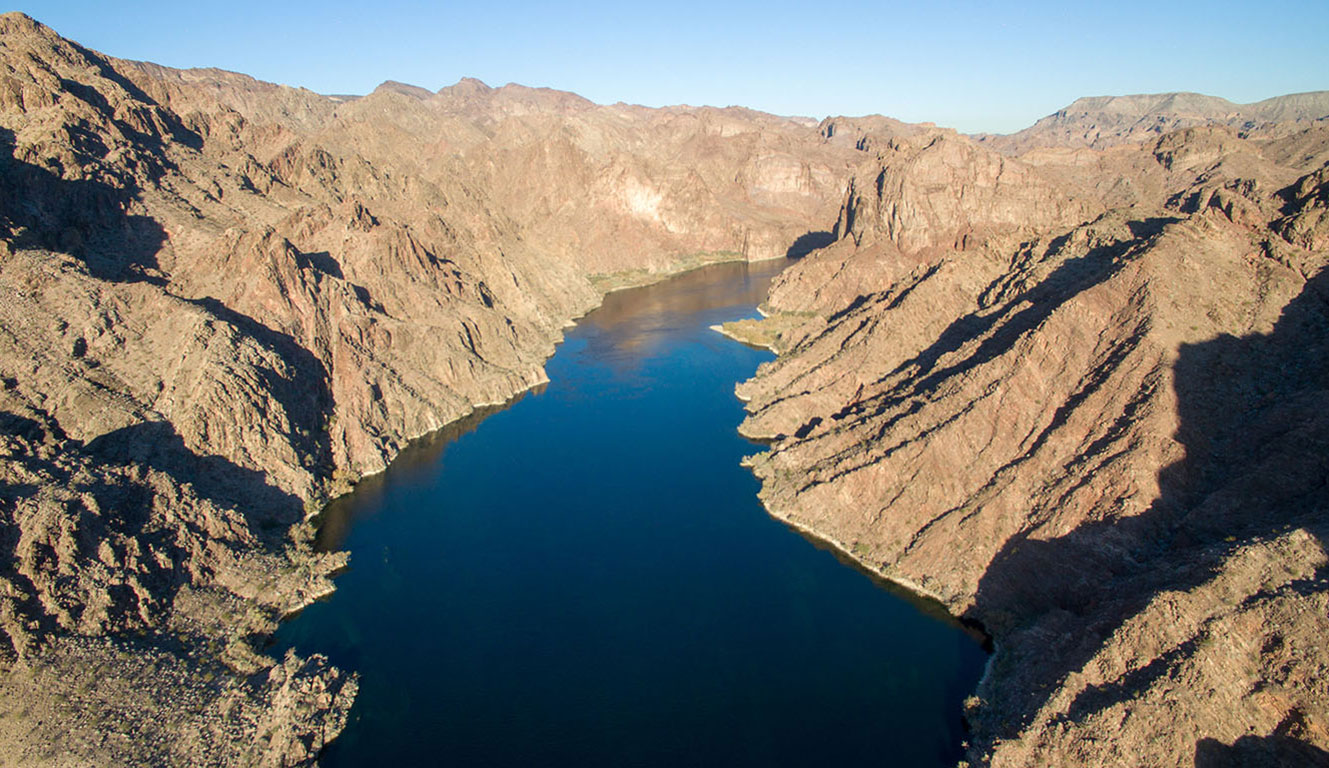
Have you ever wondered how Arizona, a state known for its vast deserts, manages to provide water to its residents? The answer lies in the desert water projects that have transformed this arid landscape into a livable environment. These projects are engineering marvels, ensuring that cities like Phoenix and Tucson have a steady water supply. From the Central Arizona Project, which channels water from the Colorado River, to innovative groundwater management techniques, Arizona has become a leader in water conservation. Understanding these projects not only highlights human ingenuity but also underscores the importance of sustainable water use in dry regions.
Arizona's Desert Water Projects: A Marvel of Engineering
Arizona, known for its arid climate and vast deserts, has some of the most impressive water projects in the United States. These projects not only supply water to millions but also showcase human ingenuity in managing scarce resources. Let's dive into some of these incredible feats of engineering.
Central Arizona Project (CAP)
The Central Arizona Project is a lifeline for the state, delivering water from the Colorado River to central and southern Arizona. This massive system spans over 336 miles and is a testament to human ingenuity.
Parker Dam: This dam, located on the Colorado River, is the starting point of the CAP. It creates Lake Havasu, which stores water for the project.
Mark Wilmer Pumping Plant: Named after a key figure in Arizona's water history, this plant lifts water 824 feet from Lake Havasu into the CAP canal.
Hassayampa Pumping Plant: This plant is one of several that help move water through the CAP system, ensuring it reaches its destinations.
Salt River Project (SRP)
The Salt River Project is another vital water management system in Arizona. It provides water and electricity to the Phoenix metropolitan area, making life in the desert possible.
Roosevelt Dam: Built on the Salt River, this dam creates Roosevelt Lake, a crucial water reservoir for the SRP.
Horse Mesa Dam: Another key component of the SRP, this dam helps regulate water flow and generates hydroelectric power.
Granite Reef Diversion Dam: This dam diverts water from the Salt River into canals that supply the Phoenix area with water.
Yuma Desalting Plant
The Yuma Desalting Plant is a unique facility designed to treat saline agricultural runoff, making it usable for irrigation and other purposes. This plant showcases innovative solutions to water scarcity.
Desalination Process: The plant uses reverse osmosis to remove salts and impurities from the water, making it suitable for various uses.
Environmental Impact: By treating agricultural runoff, the plant helps reduce salinity in the Colorado River, benefiting both agriculture and the environment.
Verde River Projects
The Verde River is another crucial water source for Arizona. Several projects along this river help manage and distribute its waters.
Bartlett Dam: This dam creates Bartlett Lake, a key reservoir for the Phoenix area.
Horseshoe Dam: Located upstream of Bartlett Dam, this dam helps regulate water flow and provides additional storage capacity.
Gila River Indian Community Water Rights Settlement
The Gila River Indian Community Water Rights Settlement is a landmark agreement that ensures water rights for the Gila River Indian Community while benefiting other water users in the region.
Pima-Maricopa Irrigation Project: This project, part of the settlement, helps deliver water to the Gila River Indian Community for agricultural use.
Gila River Diversion: This diversion project ensures that water from the Gila River is efficiently distributed to meet the needs of the community.
Tucson's Water Harvesting Initiatives
Tucson has implemented several innovative water harvesting initiatives to make the most of its limited water resources. These projects highlight the importance of sustainable water management.
Rainwater Harvesting: Tucson encourages residents to collect and use rainwater for landscaping and other non-potable uses.
Greywater Systems: The city promotes the use of greywater systems, which recycle water from sinks, showers, and washing machines for irrigation.
Conclusion
Arizona's desert water projects are a testament to human ingenuity and the ability to thrive in challenging environments. From massive dams and canals to innovative desalination plants and water harvesting initiatives, these projects ensure that Arizona's residents have access to the water they need.
Arizona's Water Wonders
Arizona's desert water projects showcase human ingenuity and determination. From the Central Arizona Project to the Salt River Project, these initiatives ensure that the state thrives despite its arid climate. These projects not only supply water but also support agriculture, industry, and daily life for millions.
Understanding these efforts highlights the importance of sustainable water management. As climate change impacts water availability, Arizona's strategies offer valuable lessons. By investing in technology and infrastructure, the state secures its future.
Exploring these water projects reveals a blend of history, engineering, and environmental stewardship. They stand as a testament to what can be achieved with vision and collaboration. Whether you're a resident or a visitor, appreciating these feats deepens your connection to Arizona's unique landscape.
