Secrets Of Arizona’s Canyon De Chelly Granaries
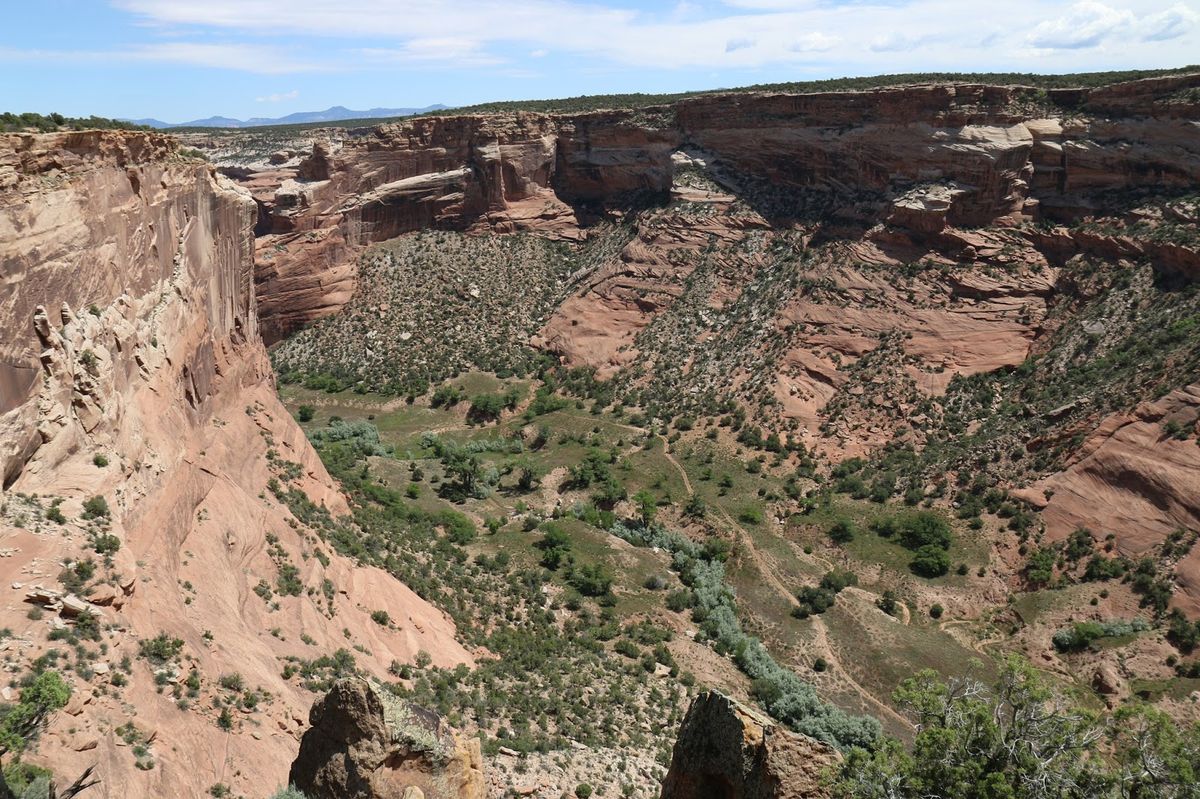
Have you ever wondered about the hidden treasures of Arizona? Canyon de Chelly holds some of the most fascinating secrets, including ancient granaries. These storage structures, built by the Ancestral Puebloans, are tucked away in the canyon walls. They stored essential grains and food supplies, ensuring survival in harsh conditions. Visiting Canyon de Chelly offers a unique glimpse into the ingenuity and resilience of these early inhabitants. The granaries, with their strategic placements, showcase the remarkable architectural skills of the past. Whether you're a history buff or just love exploring, this site promises an unforgettable experience. Ready to uncover the mysteries of Canyon de Chelly's granaries? Let's dive in!
Secrets of Arizona's Canyon de Chelly Granaries
Canyon de Chelly, located in northeastern Arizona, is a place of stunning beauty and rich history. The canyon walls hold secrets of ancient civilizations, including the mysterious granaries. These granaries, used for storing food, offer a glimpse into the lives of the people who once thrived here. Let's uncover some of these hidden treasures.
Ancient Granaries in Canyon de Chelly
The granaries in Canyon de Chelly are more than just storage spaces. They are a testament to the ingenuity and resilience of ancient cultures. Here are some of the most fascinating granaries you can find in this remarkable canyon.
Antelope House Ruin
- Nestled within the canyon walls, Antelope House Ruin is named after the antelope paintings found nearby. This site features well-preserved granaries that showcase the architectural skills of the Ancestral Puebloans. The granaries are built into the rock, providing protection from the elements and potential invaders.
Mummy Cave
- Mummy Cave is one of the most impressive sites in Canyon de Chelly. It consists of two large caves and a central tower. The granaries here are strategically placed high up on the cliff face, making them difficult to access. This location ensured the safety of stored food from both animals and humans.
White House Ruin
- White House Ruin is one of the most famous sites in the canyon. The granaries here are built into the cliffside, blending seamlessly with the natural rock formations. These granaries are a testament to the resourcefulness of the ancient inhabitants, who used every available space to store their precious food supplies.
The Engineering Marvels of Canyon de Chelly Granaries
The granaries in Canyon de Chelly are not just simple storage spaces. They are engineering marvels that demonstrate the advanced knowledge and skills of the ancient builders. Let's explore some of these incredible structures.
Sliding Rock Ruin
- Sliding Rock Ruin features granaries that are ingeniously designed to blend with the natural rock formations. The builders used the natural contours of the rock to create hidden storage spaces that are both secure and discreet. These granaries are a perfect example of how the ancient inhabitants adapted to their environment.
Junction Ruin
- Junction Ruin is located at the confluence of two canyons, making it a strategic location for both defense and trade. The granaries here are built into the cliff walls, with narrow openings that make it difficult for intruders to access. This design ensured that the stored food remained safe and secure.
First Ruin
- First Ruin is one of the earliest known sites in Canyon de Chelly. The granaries here are built into the cliff face, with small openings that provide ventilation while keeping the stored food safe from pests. The careful planning and construction of these granaries highlight the advanced engineering skills of the ancient builders.
The Cultural Significance of Canyon de Chelly Granaries
The granaries in Canyon de Chelly are not just functional structures. They hold deep cultural significance for the people who built them. Let's delve into the cultural aspects of these fascinating granaries.
Massacre Cave
- Massacre Cave is a site with a tragic history, but it also holds important cultural significance. The granaries here are a reminder of the resilience and determination of the ancient inhabitants. Despite the hardships they faced, they continued to build and maintain these vital storage spaces.
Spider Rock
- Spider Rock is a towering sandstone spire that holds great cultural significance for the Navajo people. The granaries in this area are a testament to the deep connection between the land and its inhabitants. These granaries are not just storage spaces; they are a symbol of the enduring legacy of the people who once called this canyon home.
Canyon del Muerto
- Canyon del Muerto, or "Canyon of the Dead," is a place of both beauty and sorrow. The granaries here are a poignant reminder of the lives that were once lived in this harsh yet beautiful landscape. These structures are a testament to the strength and resilience of the ancient cultures that thrived in Canyon de Chelly.
The granaries of Canyon de Chelly are more than just ancient storage spaces. They are a window into the past, offering a glimpse into the lives, skills, and resilience of the people who once called this canyon home. Each granary tells a story, waiting to be uncovered by those who venture into this remarkable landscape.
Embracing the History of Canyon de Chelly Granaries
Canyon de Chelly's granaries offer a unique glimpse into the past. These ancient storage sites, tucked within the canyon walls, tell stories of survival, ingenuity, and community. Exploring these granaries helps us appreciate the resourcefulness of the Ancestral Puebloans. Their ability to adapt to the harsh environment is truly inspiring.
Visiting Canyon de Chelly allows you to connect with history in a tangible way. Walking through the canyon, seeing the granaries up close, and imagining life centuries ago creates a profound experience. It's a reminder of the resilience and creativity of those who came before us.
Next time you're in Arizona, make sure to visit Canyon de Chelly. The granaries are more than just ancient structures; they are a testament to human endurance and innovation. Embrace this piece of history and let it enrich your understanding of the past.