

Secrets Of Arizona’s Camino Del Diablo Trading Routes
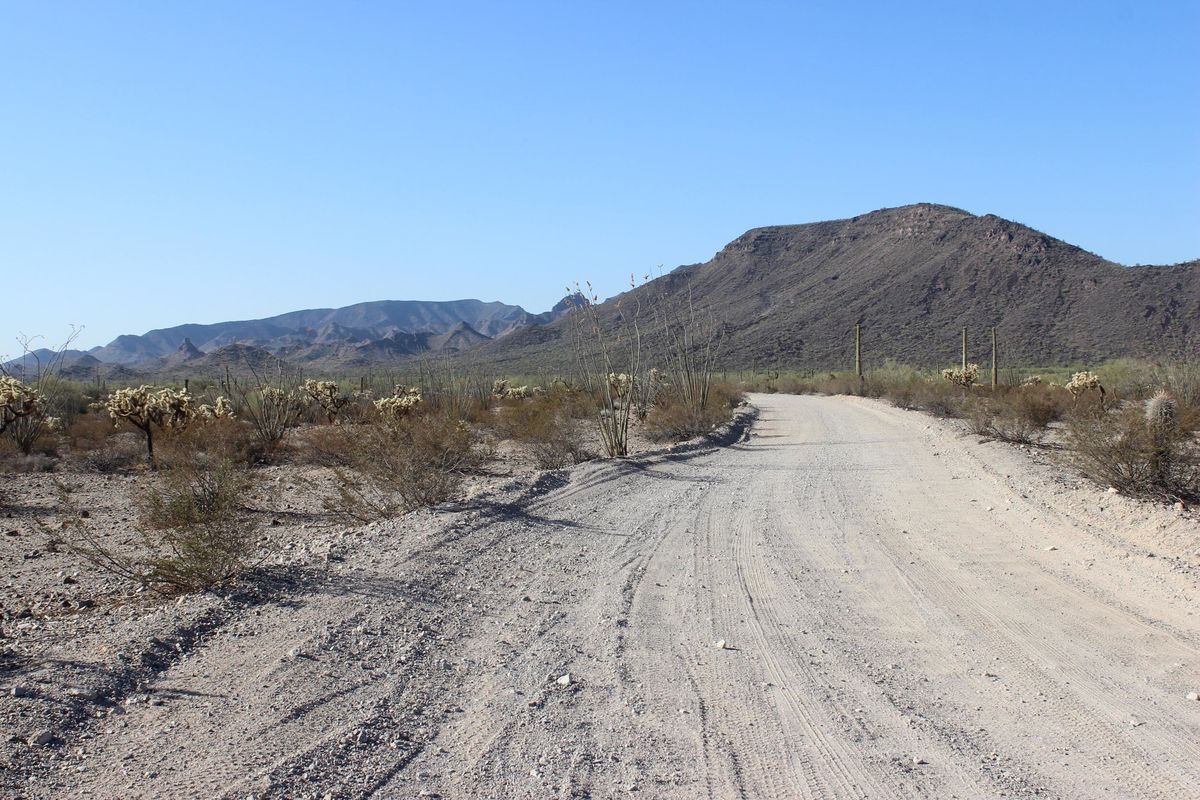
Have you ever wondered about the hidden paths of Arizona's Camino del Diablo? This ancient trading route, also known as the "Devil's Highway," is steeped in history and adventure. Stretching through the harsh Sonoran Desert, it was once a vital link for Native American tribes and Spanish explorers. Today, it offers a unique glimpse into the past, with remnants of old campsites, water holes, and mysterious artifacts. Whether you're a history buff or an adventure seeker, exploring Camino del Diablo promises an unforgettable experience. Ready to uncover the secrets of this historic trail? Let's dive into its fascinating story.
Secrets of Arizona's Camino del Diablo Trading Routes
Arizona's Camino del Diablo, or "Devil's Highway," is a historic route that weaves through the Sonoran Desert. This ancient trail, used by Native Americans, Spanish explorers, and early settlers, holds many secrets. Let's uncover some of the most fascinating spots along this legendary path.
Ancient Petroglyphs
The Camino del Diablo is rich in history, and nothing showcases this better than the ancient petroglyphs scattered along the route. These rock carvings tell stories of the people who once traveled these lands.
Painted Rock Petroglyph Site: Located near Gila Bend, this site features hundreds of petroglyphs etched into basalt boulders. The carvings date back thousands of years, offering a glimpse into the lives of the Hohokam people.
Signal Hill: Found in Saguaro National Park, Signal Hill boasts a collection of petroglyphs that are easily accessible via a short hike. The site provides stunning views of the surrounding desert landscape.
Historic Missions
Spanish missionaries played a significant role in the history of the Camino del Diablo. Their missions served as outposts of civilization in the harsh desert environment.
Mission San Xavier del Bac: Known as the "White Dove of the Desert," this mission near Tucson is a stunning example of Spanish colonial architecture. Founded in 1692, it remains an active parish and a testament to the enduring legacy of the Spanish missionaries.
Tumacácori National Historical Park: This park preserves the ruins of three Spanish missions, including the Tumacácori Mission, founded in 1691. Visitors can explore the restored church and learn about the mission's history through exhibits and guided tours.
Natural Wonders
The Camino del Diablo traverses some of the most breathtaking landscapes in Arizona. From towering sand dunes to rugged mountains, the natural beauty of this route is awe-inspiring.
Organ Pipe Cactus National Monument: This UNESCO Biosphere Reserve is home to the rare organ pipe cactus, which can only be found in the Sonoran Desert. The monument offers scenic drives, hiking trails, and opportunities for wildlife viewing.
Cabeza Prieta National Wildlife Refuge: Covering nearly 860,000 acres, this refuge is a haven for desert wildlife. Visitors can spot bighorn sheep, desert tortoises, and a variety of bird species while exploring the rugged terrain.
Ghost Towns
The Camino del Diablo is dotted with ghost towns that offer a glimpse into Arizona's past. These abandoned settlements tell stories of boom and bust, as well as the harsh realities of desert life.
Ajo: Once a thriving copper mining town, Ajo is now a quiet community with a rich history. Visitors can explore the historic town center, visit the Ajo Historical Society Museum, and take a tour of the old mine.
Yuma Territorial Prison: Although not a ghost town in the traditional sense, this historic prison in Yuma offers a fascinating look at the harsh conditions faced by early settlers. The prison, which operated from 1876 to 1909, is now a museum with exhibits on its notorious inmates and the history of the region.
Desert Oases
Amidst the arid landscape of the Camino del Diablo, several desert oases provide a welcome respite for travelers. These lush pockets of greenery are vital sources of water and life in the desert.
Quitobaquito Springs: Located in Organ Pipe Cactus National Monument, Quitobaquito Springs is a rare desert oasis that supports a variety of plant and animal species. The springs have been a vital water source for centuries, used by Native Americans, Spanish explorers, and early settlers.
Tinajas Altas: These natural rock basins, or tinajas, collect rainwater and provide a crucial water source for desert wildlife. The Tinajas Altas Mountains, where the basins are located, offer challenging hikes and stunning views of the surrounding desert.
Discovering Arizona's Hidden Gem
Arizona's Camino del Diablo trading routes offer a unique glimpse into the past. These paths, once bustling with traders, now provide a serene escape for modern adventurers. Exploring these routes, you can almost hear the whispers of history in the desert winds. The rugged landscape, dotted with ancient artifacts, tells stories of resilience and survival. Whether you're a history buff or just love the outdoors, this trail has something special. Remember to respect the land and its history, leaving no trace behind. Pack plenty of water, wear sturdy shoes, and bring a map. The journey may be challenging, but the rewards are worth it. As you walk these historic paths, you'll connect with a piece of Arizona's rich heritage. So, lace up your boots and set out on an adventure that promises both beauty and history.
