

Secrets Of Arizona’s Betatakin Ruins
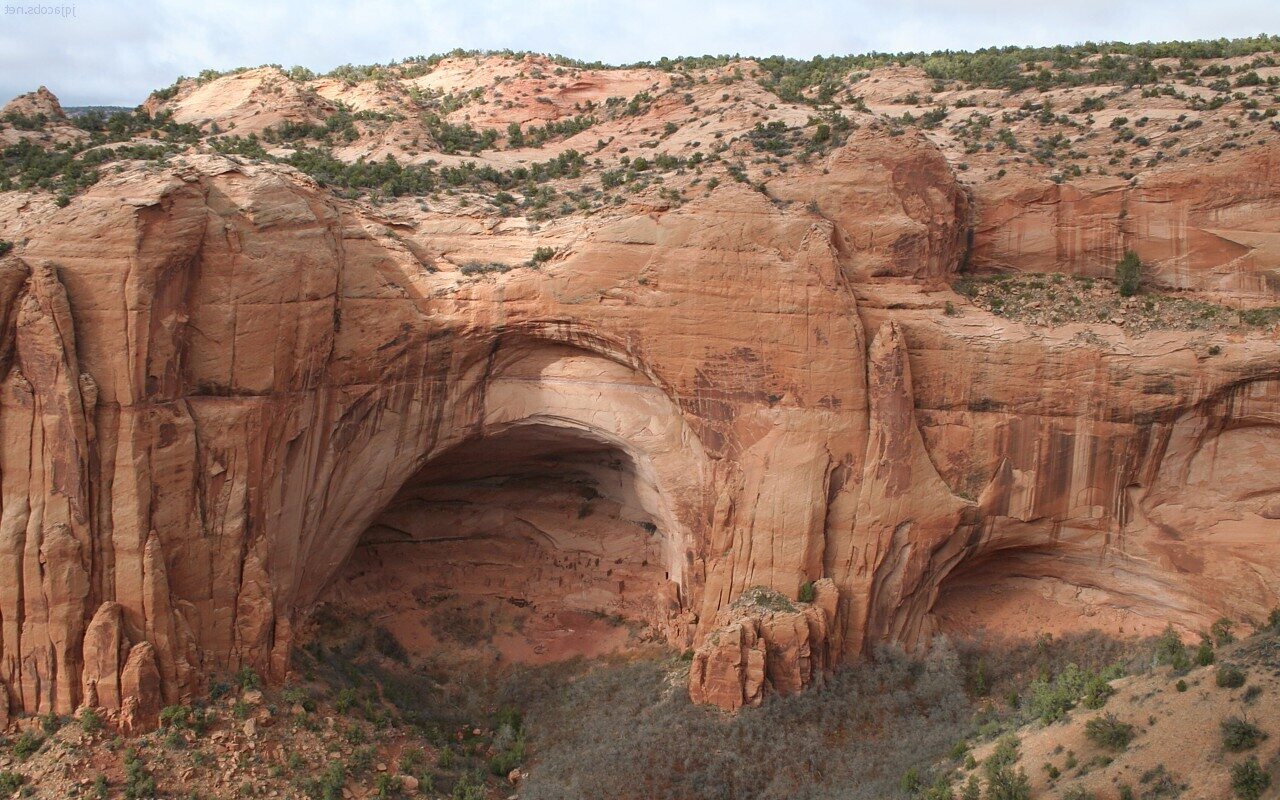
Have you ever wondered about the ancient wonders hidden in Arizona? Betatakin Ruins offer a glimpse into the past, showcasing the lives of the Ancestral Puebloans. Located in the Navajo National Monument, these ruins are a testament to the ingenuity and resilience of a civilization that thrived over 700 years ago. Imagine walking through a canyon and stumbling upon a village built into the cliffs. The intricate stonework and strategic placement of the dwellings reveal much about the daily lives and survival strategies of the people who once called this place home. Ready to explore the secrets of Betatakin? Let's dive in!
Secrets of Arizona's Betatakin Ruins
Betatakin Ruins, nestled in the Navajo National Monument, offer a glimpse into the ancient world of the Ancestral Puebloans. These cliff dwellings, built into the sandstone alcoves, tell stories of a civilization that thrived centuries ago. Let's uncover some secrets of this fascinating site.
The Cliff Dwellings
The cliff dwellings at Betatakin are a marvel of ancient architecture. Constructed in the 13th century, these structures showcase the ingenuity and resourcefulness of the Ancestral Puebloans.
Main Alcove: The primary dwelling area, sheltered by a massive sandstone overhang, provided protection from the elements. This natural feature helped preserve the ruins for centuries.
Kivas: These circular, subterranean rooms served as ceremonial spaces. Kivas were central to the spiritual and communal life of the inhabitants.
Storage Rooms: The Puebloans built numerous storage rooms to keep their food supplies safe. These rooms were essential for surviving the harsh winters.
The People
Understanding the people who lived at Betatakin helps us appreciate their way of life. The Ancestral Puebloans were skilled farmers, artisans, and traders.
Agriculture: They cultivated crops like corn, beans, and squash. Terraced fields and irrigation systems demonstrate their advanced agricultural techniques.
Pottery: The Puebloans created intricate pottery, often decorated with geometric patterns. These artifacts provide insight into their daily lives and artistic expression.
Trade: Betatakin was part of a vast trade network. Items like turquoise, shells, and pottery were exchanged with neighboring communities.
The Environment
The environment around Betatakin played a crucial role in the lives of its inhabitants. The landscape, flora, and fauna influenced their daily activities and survival strategies.
Sandstone Cliffs: The towering cliffs offered natural protection and a strategic vantage point. They also provided the raw materials for building the dwellings.
Vegetation: The surrounding area was rich in plant life, including piñon pines and juniper trees. These plants were vital for food, medicine, and construction.
Wildlife: The region was home to various animals, such as deer and rabbits. Hunting supplemented the Puebloans' agricultural diet.
Preservation Efforts
Preserving Betatakin Ruins ensures that future generations can learn from this historical site. Ongoing efforts aim to protect and maintain the integrity of the ruins.
Navajo National Monument: Established in 1909, this monument protects Betatakin and other nearby ruins. It offers guided tours and educational programs to visitors.
Conservation Projects: Various initiatives focus on stabilizing the structures and preventing erosion. These projects are crucial for the long-term preservation of the site.
Community Involvement: Local communities, including the Navajo Nation, play a vital role in preserving Betatakin. Their knowledge and cultural heritage are invaluable resources.
Visiting Betatakin
A visit to Betatakin Ruins is a journey back in time. The site offers a unique opportunity to connect with the past and experience the beauty of the Southwest.
Guided Tours: Rangers lead tours that provide in-depth information about the ruins. These tours are an excellent way to learn about the history and significance of Betatakin.
Hiking Trails: Several trails lead to the ruins, offering stunning views of the landscape. The hike to Betatakin is moderately challenging but rewarding.
Visitor Center: The Navajo National Monument Visitor Center features exhibits and displays about the Ancestral Puebloans. It’s a great starting point for your visit.
Betatakin Ruins remain a testament to the ingenuity and resilience of the Ancestral Puebloans. Exploring this ancient site reveals the secrets of a civilization that once thrived in the heart of Arizona.
Why Betatakin Ruins Should Be on Your Bucket List
Betatakin Ruins offer a unique glimpse into the past. Nestled in the Navajo National Monument, these ancient cliff dwellings tell the story of the Ancestral Puebloans. The hike to the ruins is not just a walk; it's a journey through time. You'll see stunning rock formations, diverse plant life, and maybe even some wildlife. The guided tours provide valuable insights, making the experience even richer. Visiting Betatakin is more than just a trip; it's an adventure that connects you to history. Whether you're a history buff or just love nature, this site has something for everyone. So, pack your hiking boots, grab your camera, and get ready to explore one of Arizona's hidden gems. Betatakin Ruins are waiting to be discovered.
