

Secrets Of Arizona’s Besh Ba Gowah Villages
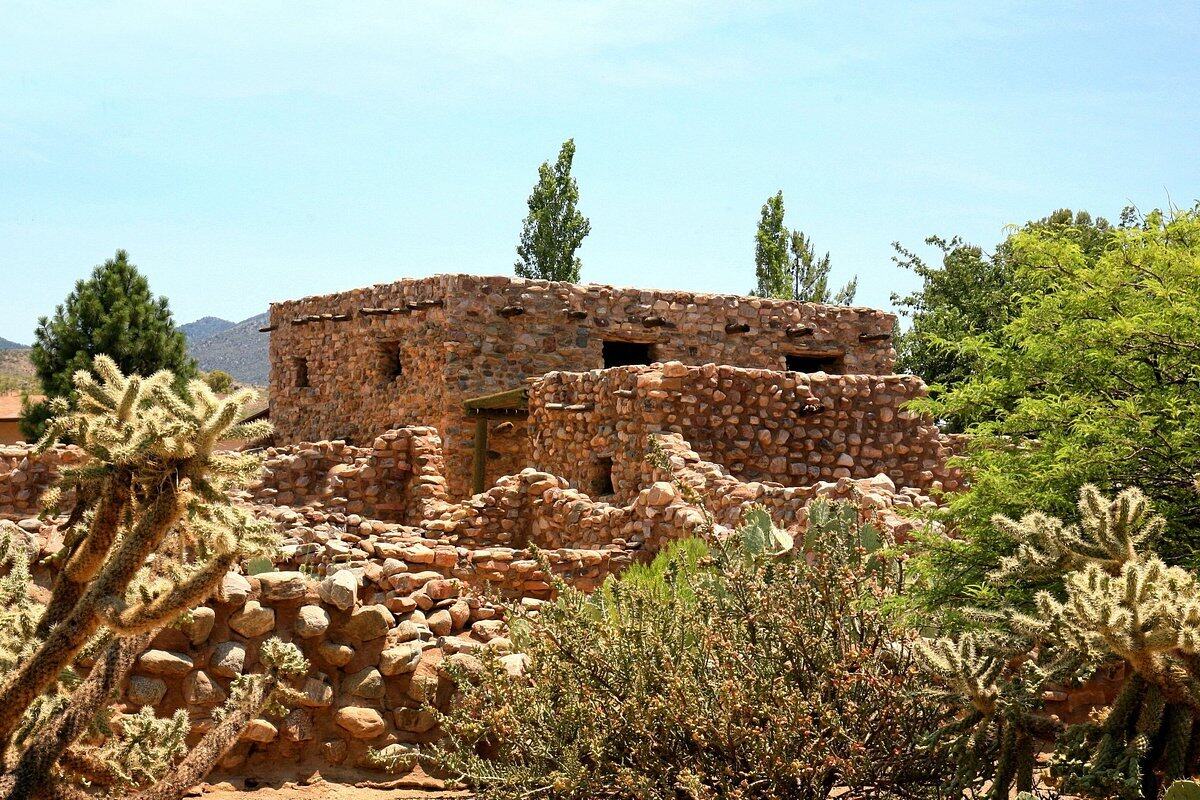
Have you ever wondered about the hidden gems of Arizona? One such treasure is the Besh Ba Gowah Archaeological Park. Located in Globe, Arizona, this site offers a glimpse into the lives of the Salado people who lived there over 700 years ago. Visitors can explore the reconstructed ruins, walk through ancient rooms, and even see artifacts that tell stories of a bygone era. The park also features a museum with pottery, tools, and other items used by the Salado. If you're a history buff or just love unique experiences, Besh Ba Gowah is a must-visit destination.
Secrets of Arizona's Besh Ba Gowah Villages
Arizona, known for its stunning landscapes and rich history, hides a gem within its borders: the Besh Ba Gowah Villages. These ancient ruins offer a glimpse into the lives of the Salado people who once thrived in this region. Let's uncover the secrets of these fascinating villages.
Ancient Architecture
The Besh Ba Gowah Villages are renowned for their unique architectural style. The Salado people constructed these buildings using local materials, showcasing their ingenuity and adaptability.
Multi-Room Complexes: These structures feature multiple rooms, each serving a specific purpose. Some were used for storage, others for living quarters. The interconnected rooms highlight the community's close-knit nature.
Central Plaza: At the heart of the village lies a central plaza. This open space was likely used for gatherings, ceremonies, and daily activities, reflecting the social structure of the Salado people.
Defensive Walls: Surrounding the village are sturdy walls, built to protect against potential threats. These walls demonstrate the Salado people's understanding of defense and security.
Cultural Artifacts
The Besh Ba Gowah Villages are a treasure trove of cultural artifacts, providing insight into the daily lives and practices of the Salado people.
Pottery: Intricately designed pottery pieces have been unearthed, showcasing the artistic skills of the Salado people. These artifacts often feature geometric patterns and vibrant colors.
Tools and Utensils: Various tools and utensils made from stone, bone, and wood have been found. These items reveal the resourcefulness of the Salado people in utilizing available materials.
Textiles: Fragments of woven textiles offer a glimpse into the clothing and fabric-making techniques of the Salado people. The intricate designs suggest a high level of craftsmanship.
Spiritual Significance
The Besh Ba Gowah Villages hold deep spiritual significance, as evidenced by the presence of ceremonial structures and artifacts.
Kivas: These underground chambers were used for religious ceremonies and rituals. The kivas' construction indicates the importance of spirituality in the Salado culture.
Petroglyphs: Carved into rocks around the village, petroglyphs depict various symbols and figures. These carvings likely held spiritual or cultural meanings for the Salado people.
Burial Sites: Burial sites within the village provide insight into the Salado people's beliefs about death and the afterlife. The care taken in these burials reflects their reverence for the deceased.
Agricultural Practices
The Salado people were skilled farmers, adapting their agricultural practices to the arid environment of Arizona.
Irrigation Systems: Ingenious irrigation systems were developed to channel water from nearby sources to their crops. These systems highlight the Salado people's understanding of water management.
Terraced Fields: The use of terraced fields allowed the Salado people to maximize their agricultural output. These terraces prevented soil erosion and conserved water.
Crop Varieties: The Salado people cultivated a variety of crops, including corn, beans, and squash. These crops formed the basis of their diet and supported their community's growth.
Preservation Efforts
Efforts to preserve the Besh Ba Gowah Villages ensure that future generations can continue to learn from and appreciate this historical site.
Restoration Projects: Ongoing restoration projects aim to stabilize and repair the ancient structures. These efforts help maintain the integrity of the village.
Educational Programs: Educational programs and guided tours provide visitors with a deeper understanding of the Salado culture and the significance of the Besh Ba Gowah Villages.
Museum Exhibits: The on-site museum features exhibits showcasing artifacts and information about the Salado people. These exhibits offer a comprehensive look at the village's history and culture.
Discovering Besh Ba Gowah's Rich History
Besh Ba Gowah offers a unique glimpse into the lives of the Salado people. Walking through the ancient ruins, you can almost hear the echoes of their daily activities. The well-preserved structures and artifacts tell stories of a community that thrived in the harsh Arizona landscape. This site isn't just a collection of old buildings; it's a testament to human ingenuity and resilience. Visiting Besh Ba Gowah, you gain a deeper appreciation for the rich history and culture of the Southwest. Whether you're a history buff or just looking for an interesting day trip, this archaeological park is worth your time. So next time you're in Arizona, make sure to add Besh Ba Gowah to your itinerary. You won't regret it.
