Secrets Of Arizona’s Antelope Canyon Rocks
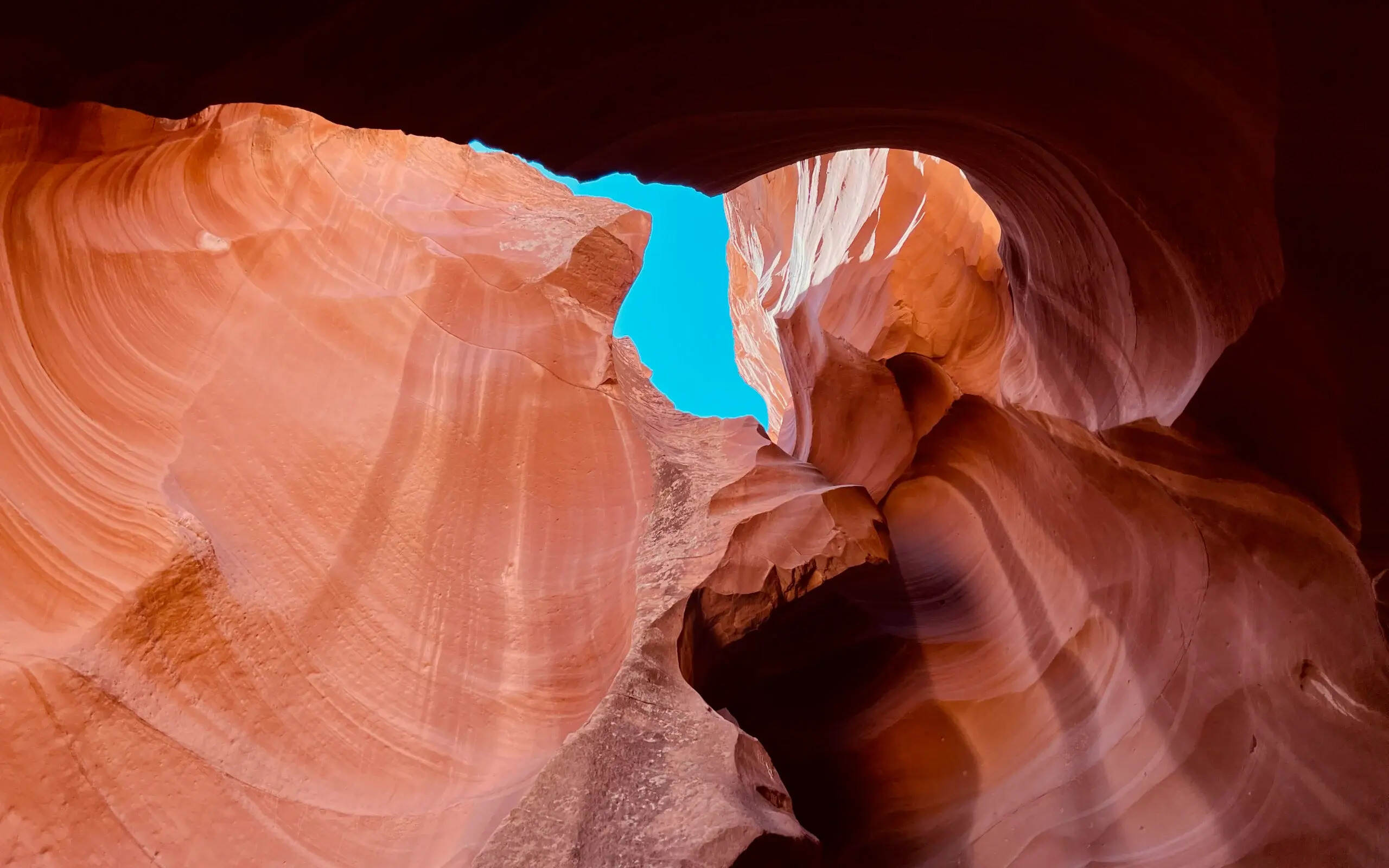
Have you ever wondered what makes Antelope Canyon in Arizona so special? This stunning slot canyon, carved by water over thousands of years, offers a mesmerizing display of light and shadow. Located near Page, Arizona, Antelope Canyon is divided into two sections: Upper and Lower. Each section has its own unique charm. The Upper Canyon is famous for its light beams that shine down into the narrow openings, creating a magical atmosphere. Lower Antelope Canyon, on the other hand, offers a more adventurous experience with its narrow passageways and ladders. Whether you're a photographer, a nature lover, or just looking for an unforgettable experience, Antelope Canyon is a must-see destination.
Secrets of Arizona's Antelope Canyon Rocks
Antelope Canyon, located in Arizona, is a natural wonder that draws visitors from around the globe. Known for its stunning rock formations and vibrant colors, this slot canyon offers a unique experience for nature lovers and photographers alike. Let's dive into the secrets of this mesmerizing place.
The Enchanting Upper Antelope Canyon
Upper Antelope Canyon, also known as "The Crack," is the most visited section of Antelope Canyon. Its narrow passageways and light beams create a magical atmosphere.
Light Beams: The famous light beams occur mainly during the summer months, between 11 AM and 1 PM. These beams of sunlight penetrate the narrow openings above, illuminating the canyon's walls in a spectacular display.
Sandstone Walls: The walls of Upper Antelope Canyon are made of Navajo Sandstone, which has been eroded over thousands of years by flash floods. This erosion has created the smooth, flowing shapes that the canyon is known for.
Guided Tours: To protect the delicate environment, visitors must join a guided tour. These tours provide insights into the canyon's history and geology, enhancing the overall experience.
The Mystical Lower Antelope Canyon
Lower Antelope Canyon, or "The Corkscrew," offers a different but equally captivating experience. Its narrow, winding passageways and vibrant colors make it a favorite among photographers.
Twisting Pathways: The pathways in Lower Antelope Canyon are narrower and more winding than those in the upper section. This creates a sense of adventure as visitors navigate through the twists and turns.
Colorful Striations: The walls of Lower Antelope Canyon display a range of colors, from deep reds to bright oranges. These colors are the result of iron oxide and other minerals present in the sandstone.
Photographic Opportunities: Due to its unique shapes and colors, Lower Antelope Canyon is a popular spot for photographers. The best time to visit for photography is during the early morning or late afternoon when the light is softer.
The Hidden Gems of Antelope Canyon
Beyond the well-known Upper and Lower sections, Antelope Canyon has several hidden gems that are worth exploring.
Canyon X: Less crowded than the main sections, Canyon X offers a more intimate experience. Its narrow passageways and stunning rock formations make it a hidden treasure.
Rattlesnake Canyon: Named for its winding, snake-like shape, Rattlesnake Canyon provides a unique perspective on the area's geology. It's less visited, offering a quieter experience.
Mountain Sheep Canyon: This lesser-known section features wider passageways and impressive rock formations. It's a great option for those looking to escape the crowds.
The Geology Behind the Beauty
Understanding the geology of Antelope Canyon adds another layer of appreciation for its beauty. The canyon's formation is a testament to the power of natural forces.
Erosion: Flash floods have carved the canyon's intricate shapes over thousands of years. The force of the water has smoothed the sandstone, creating the flowing lines seen today.
Sedimentary Layers: The canyon's walls are composed of layers of sedimentary rock, each representing a different period in Earth's history. These layers provide clues about the environment millions of years ago.
Mineral Deposits: The vibrant colors of the canyon walls are due to various mineral deposits. Iron oxide, for example, gives the sandstone its reddish hue, while other minerals create shades of yellow and orange.
Tips for Visiting Antelope Canyon
To make the most of your visit to Antelope Canyon, keep these tips in mind.
Best Time to Visit: The best time to visit is during the summer months when the light beams are most visible. However, visiting during the off-season can provide a quieter experience.
What to Bring: Wear comfortable shoes and bring plenty of water. A camera is a must to capture the stunning scenery.
Respect the Environment: Antelope Canyon is a fragile environment. Follow all guidelines provided by your tour guide to help preserve this natural wonder for future generations.
The Magic of Antelope Canyon
Antelope Canyon offers a unique experience for anyone who loves nature and adventure. The stunning rock formations, created over thousands of years, are a sight to behold. Walking through the narrow passages, you'll see how light dances on the sandstone walls, creating a magical atmosphere. It's a place where every turn reveals a new wonder, making it a must-visit spot in Arizona. Whether you're a photographer looking for the perfect shot or just someone who enjoys beautiful landscapes, Antelope Canyon won't disappoint. Remember to book a guided tour to make the most of your visit and learn about the canyon's history and geology. So pack your bags, grab your camera, and get ready to explore one of nature's most incredible creations.