Secrets Of Arizona’s Ancient Indigenous Gardens
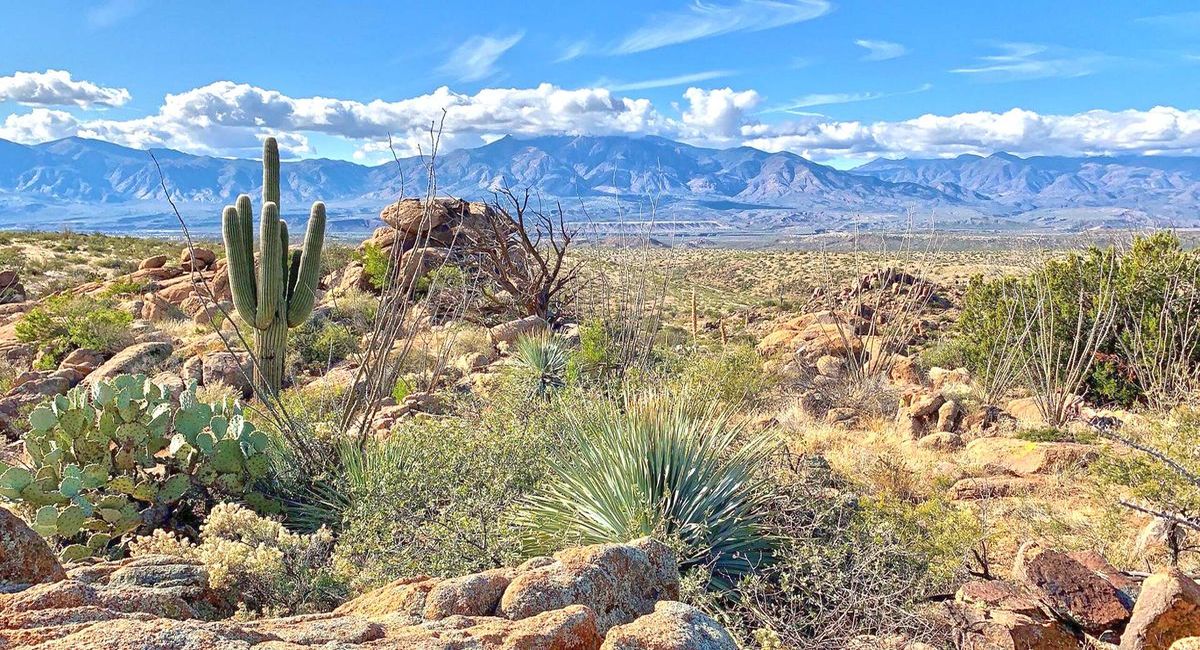
Have you ever wondered how ancient indigenous people in Arizona grew their food in such an arid climate? The ancient indigenous gardens of Arizona hold secrets that reveal their ingenuity and deep connection to the land. These gardens were not just about growing food; they were a testament to sustainable living, using techniques that modern gardeners can still learn from today. From intricate irrigation systems to companion planting, these methods ensured that crops thrived even in harsh conditions. Join us as we explore the fascinating world of Arizona's ancient gardens, where history meets horticulture in the most inspiring ways.
Secrets of Arizona's Ancient Indigenous Gardens
Arizona's ancient indigenous gardens hold secrets of the past, showcasing the ingenuity and deep connection Native American tribes had with the land. These gardens are more than just places of beauty; they are living museums of history and culture. Let's explore some of these fascinating sites.
1. The Hohokam Canals
The Hohokam people, who lived in the Phoenix area, created an extensive network of canals to irrigate their crops. These canals are a testament to their engineering skills and understanding of the desert environment.
- Location: Phoenix, Arizona
- Highlights: Over 500 miles of canals, some still in use today
- Best Time to Visit: Spring and fall for pleasant weather
2. Casa Grande Ruins
Casa Grande, meaning "Big House," is a massive structure built by the Hohokam. This ancient site offers a glimpse into the agricultural practices and daily life of the Hohokam people.
- Location: Coolidge, Arizona
- Highlights: The Great House, ancient irrigation systems
- Best Time to Visit: Winter for cooler temperatures
3. Montezuma Castle
Montezuma Castle is a cliff dwelling built by the Sinagua people. This impressive structure showcases their ability to adapt to and thrive in the harsh desert environment.
- Location: Camp Verde, Arizona
- Highlights: Five-story cliff dwelling, nearby Montezuma Well
- Best Time to Visit: Spring and fall for mild weather
4. Wupatki National Monument
Wupatki National Monument is home to several ancient pueblos built by the Ancestral Puebloans. These structures highlight the agricultural techniques and community life of the people who lived there.
- Location: Near Flagstaff, Arizona
- Highlights: Wupatki Pueblo, ball court, blowhole
- Best Time to Visit: Spring and fall for comfortable temperatures
5. Tuzigoot National Monument
Tuzigoot is a large pueblo built by the Sinagua people. This site provides insight into their agricultural practices and trade networks.
- Location: Clarkdale, Arizona
- Highlights: Multi-room pueblo, panoramic views of the Verde Valley
- Best Time to Visit: Spring and fall for pleasant weather
6. Homolovi State Park
Homolovi State Park preserves the ruins of several Ancestral Puebloan villages. These sites offer a window into the agricultural and cultural practices of the people who lived there.
- Location: Near Winslow, Arizona
- Highlights: Homolovi I and II ruins, petroglyphs
- Best Time to Visit: Spring and fall for mild temperatures
7. Walnut Canyon National Monument
Walnut Canyon features cliff dwellings built by the Sinagua people. The canyon's unique environment provided a rich agricultural area for these ancient inhabitants.
- Location: Near Flagstaff, Arizona
- Highlights: Cliff dwellings, scenic canyon views
- Best Time to Visit: Spring and fall for comfortable weather
8. Canyon de Chelly National Monument
Canyon de Chelly is a living community where Navajo people still reside. The canyon's ancient ruins and rock art tell the story of the Ancestral Puebloans who once lived there.
- Location: Chinle, Arizona
- Highlights: White House Ruin, Spider Rock, guided tours by Navajo guides
- Best Time to Visit: Spring and fall for mild temperatures
9. Saguaro National Park
Saguaro National Park is home to the iconic saguaro cactus, but it also contains evidence of ancient Hohokam agricultural practices. The park's petroglyphs and archaeological sites reveal the deep connection between the Hohokam and their environment.
- Location: Tucson, Arizona
- Highlights: Petroglyphs, ancient agricultural sites, saguaro forests
- Best Time to Visit: Spring and fall for pleasant weather
10. Tumacácori National Historical Park
Tumacácori preserves the ruins of three Spanish mission communities, which were built on the sites of ancient indigenous villages. The park offers insight into the blending of indigenous and Spanish agricultural practices.
- Location: Tumacácori, Arizona
- Highlights: Mission ruins, heritage gardens, living history demonstrations
- Best Time to Visit: Winter for cooler temperatures
Timeless Beauty of Arizona's Indigenous Gardens
Arizona's ancient indigenous gardens offer a glimpse into a rich history. These gardens, cultivated by Native American tribes, showcase sustainable practices and deep respect for nature. Visiting these sites, you can see how traditional farming techniques have stood the test of time. The intricate irrigation systems and diverse plant species highlight the ingenuity of these early gardeners.
Exploring these gardens, you gain a deeper appreciation for the land and its original stewards. The knowledge passed down through generations continues to inspire modern sustainable practices. These gardens are not just historical sites; they are living examples of harmony between humans and nature.
Next time you visit Arizona, take a moment to explore these ancient gardens. You'll walk away with a newfound respect for the wisdom and resilience of the indigenous people who first cultivated this beautiful land.