Secrets Of Arizona’s Ancient Agricultural Terraces
Have you ever wondered how ancient civilizations thrived in the harsh deserts of Arizona? The answer lies in the agricultural terraces they built. These terraces are not just piles of dirt; they are engineering marvels that transformed arid landscapes into fertile fields. By capturing and conserving water, these terraces allowed ancient farmers to grow crops in places where it seemed impossible. Imagine walking through these ancient sites, seeing the ingenuity of people who lived thousands of years ago. Understanding these terraces gives us a glimpse into the past and shows us how humans have always found ways to adapt and survive.
Secrets of Arizona's Ancient Agricultural Terraces
Arizona's ancient agricultural terraces are a marvel of human ingenuity. These terraces, built by indigenous peoples, transformed rugged landscapes into fertile farming grounds. Let's explore some of these fascinating sites.
1. Wupatki National Monument
Wupatki National Monument, located near Flagstaff, showcases the ingenuity of the Sinagua people. These ancient farmers built terraces to capture rainwater and prevent soil erosion. The result? A thriving agricultural community in the heart of the desert.
2. Montezuma Castle National Monument
Montezuma Castle, a cliff dwelling near Camp Verde, also features impressive terraces. The Sinagua people cultivated crops like corn, beans, and squash on these terraces, ensuring a stable food supply. The terraces' design maximized water retention, crucial in this arid region.
3. Walnut Canyon National Monument
Walnut Canyon, another Sinagua site, boasts terraces that cling to the canyon walls. These terraces allowed the Sinagua to grow crops in an otherwise inhospitable environment. The canyon's natural features provided protection from harsh winds and extreme temperatures.
4. Tuzigoot National Monument
Tuzigoot, a hilltop pueblo near Clarkdale, includes terraces that supported agriculture. The Southern Sinagua people built these terraces to make the most of the limited arable land. The terraces' construction reflects a deep understanding of the local environment.
5. Casa Grande Ruins National Monument
Casa Grande Ruins, near Coolidge, features remnants of Hohokam agricultural terraces. The Hohokam people engineered an extensive canal system to irrigate their crops. These terraces, combined with the canals, created a highly productive agricultural landscape.
6. Canyon de Chelly National Monument
Canyon de Chelly, located in northeastern Arizona, contains terraces built by the Ancestral Puebloans. These terraces transformed the canyon floor into fertile farmland. The canyon's walls provided natural irrigation channels, enhancing the terraces' effectiveness.
7. Homolovi State Park
Homolovi State Park, near Winslow, preserves the ruins of ancient Hopi villages. The Hopi people constructed terraces to grow crops in the challenging desert environment. These terraces demonstrate the Hopi's resourcefulness and agricultural expertise.
8. Saguaro National Park
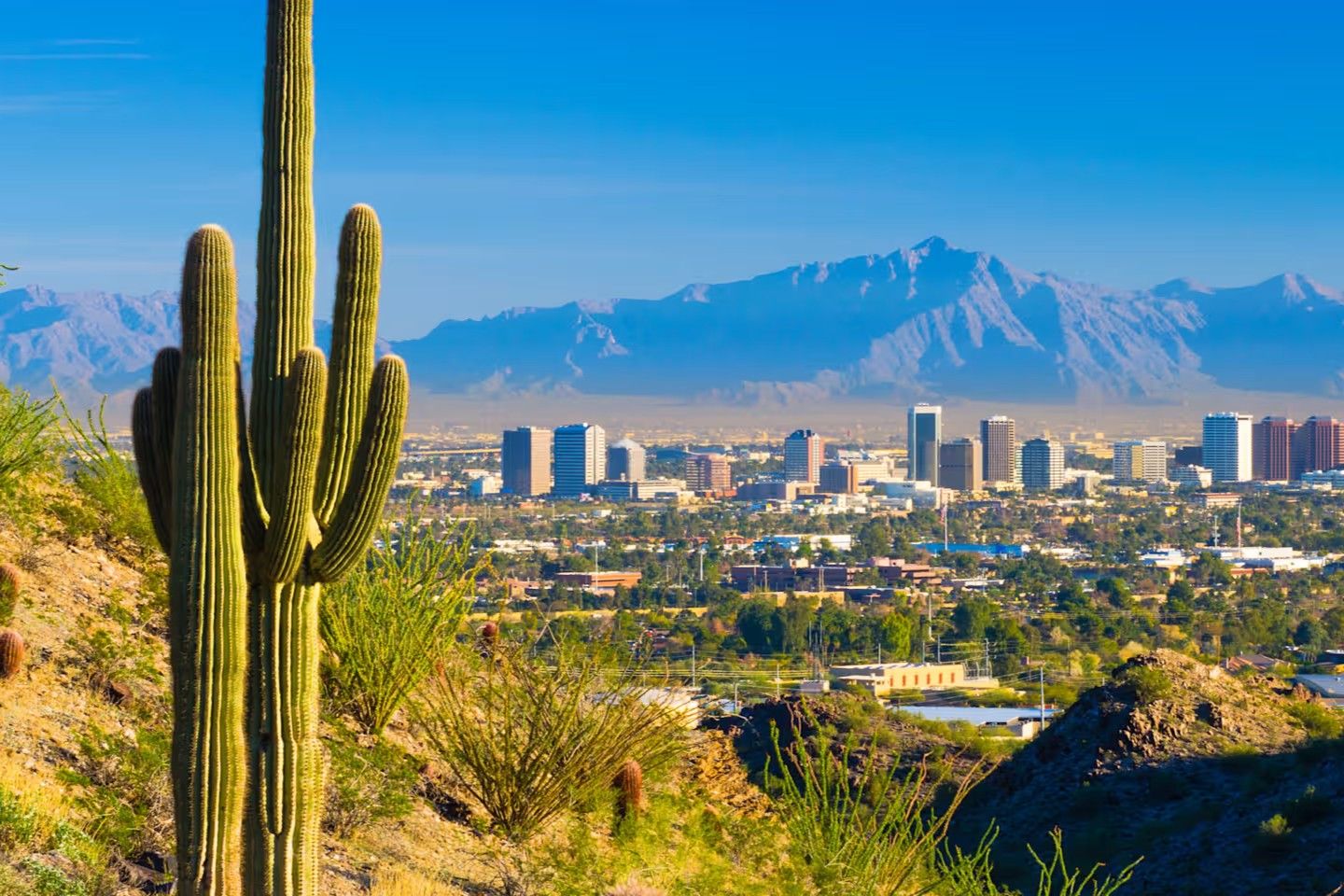
Saguaro National Park, near Tucson, contains remnants of Hohokam terraces. These terraces, along with the park's iconic saguaro cacti, highlight the Hohokam's ability to thrive in the desert. The terraces' design optimized water usage, crucial for successful farming.
9. Petrified Forest National Park
Petrified Forest National Park, known for its fossilized trees, also features ancient agricultural terraces. The Ancestral Puebloans built these terraces to cultivate crops in the arid landscape. The terraces' strategic placement maximized water retention and soil fertility.
10. Navajo National Monument
Navajo National Monument, in northern Arizona, preserves the ruins of Betatakin and Keet Seel. These cliff dwellings include terraces that supported agriculture. The Ancestral Puebloans used these terraces to grow crops like corn, beans, and squash, ensuring their survival in the harsh environment.
Arizona's Ancient Terraces: A Glimpse into the Past
Arizona's ancient agricultural terraces offer a fascinating look into the ingenuity of early civilizations. These terraces, built by Native American tribes, showcase advanced farming techniques that allowed them to thrive in harsh desert conditions. By using stone walls to create flat planting areas, they maximized water retention and soil fertility.
Visiting these terraces today provides a unique opportunity to connect with history. Sites like Wupatki National Monument and Walnut Canyon National Monument are perfect for exploring these ancient marvels. Walking through these areas, you can almost feel the presence of those who once cultivated the land.
Understanding the significance of these terraces helps us appreciate the resourcefulness and resilience of early inhabitants. It also reminds us of the importance of sustainable farming practices. Next time you're in Arizona, take a moment to visit these terraces and reflect on the incredible legacy left behind.