

Hidden Water Rights In Arizona’s Desert Project
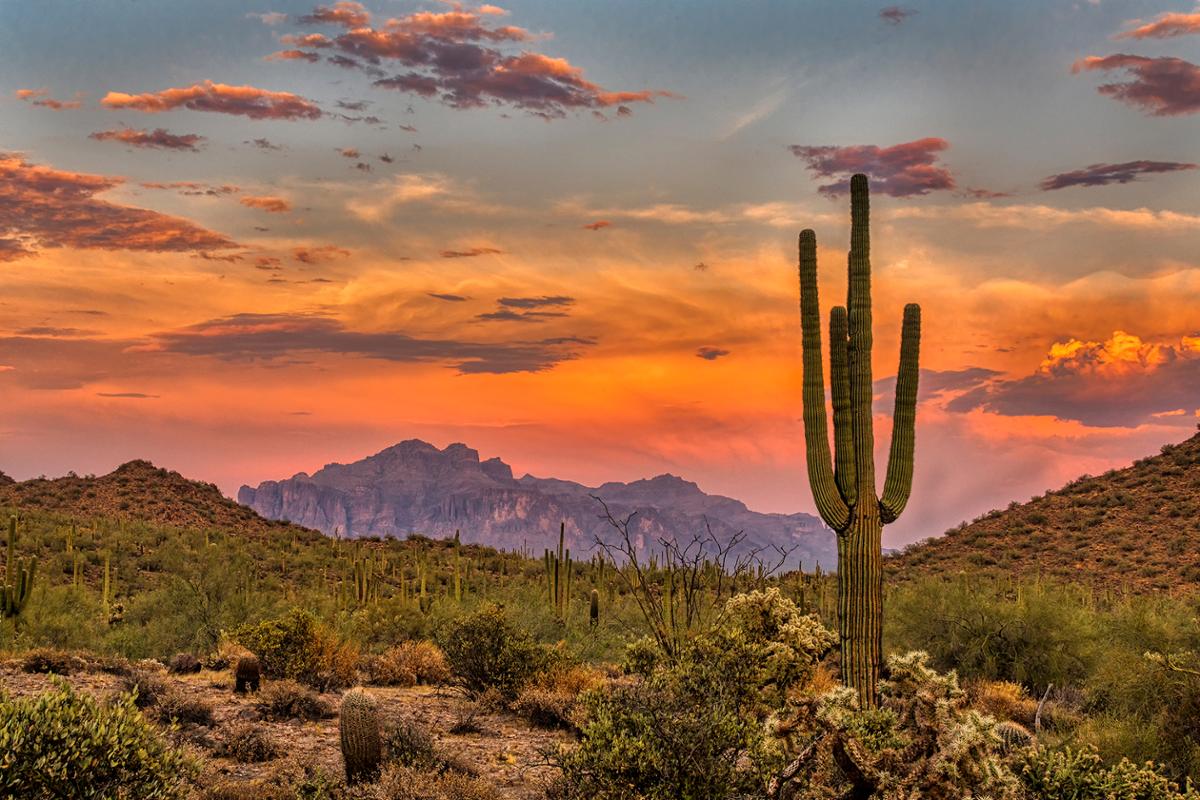
Have you ever wondered how water rights work in Arizona's desert? This topic might seem dry, but it's crucial for anyone living in or visiting the state. Arizona's unique climate makes water a precious resource, and understanding who controls it can be quite interesting. From ancient Native American practices to modern legal battles, water rights shape the way communities thrive in this arid region. Whether you're a resident, a traveler, or just curious, knowing about water rights can give you a deeper appreciation for Arizona's landscape. Let's dive into the fascinating world of water management in the desert.
Discovering Arizona's Hidden Water Rights
Arizona, known for its arid landscapes and scorching temperatures, holds secrets beneath its desert sands. Hidden water rights play a crucial role in sustaining life and agriculture in this region. Let's uncover some of the most fascinating places where these hidden water rights come into play.
1. The Verde River
The Verde River is one of Arizona's last free-flowing rivers. It provides essential water resources for both wildlife and communities. The river's water rights are carefully managed to ensure a balance between human use and environmental preservation.
2. The Salt River Project
The Salt River Project (SRP) is a major water and power utility in Arizona. It manages water rights for the Salt and Verde River watersheds, supplying water to the Phoenix metropolitan area. SRP's careful management ensures a reliable water supply for millions of residents.
3. The Colorado River
The Colorado River is a lifeline for Arizona, supplying water to cities, farms, and Native American tribes. Arizona's water rights to the Colorado River are governed by complex agreements and laws, ensuring fair distribution among the states that rely on this vital resource.
4. The Gila River Indian Community
The Gila River Indian Community has secured significant water rights through legal settlements. These rights allow the community to sustain agriculture and support economic development while preserving their cultural heritage.
5. The Central Arizona Project
The Central Arizona Project (CAP) is a massive canal system that transports water from the Colorado River to central and southern Arizona. CAP's water rights are crucial for providing water to cities like Tucson and Phoenix, as well as supporting agriculture in the region.
6. The San Pedro River
The San Pedro River is one of the last undammed rivers in the Southwest. It supports a diverse ecosystem and provides water for local communities. Efforts to protect the river's water rights are essential for maintaining its ecological health.
7. The Hohokam Canal System
The ancient Hohokam people developed an extensive canal system to irrigate their crops in the desert. Modern water rights in the Phoenix area are influenced by the legacy of these early engineers, who demonstrated the importance of managing water resources in an arid environment.
8. The Little Colorado River
The Little Colorado River flows through northeastern Arizona, providing water for communities and wildlife. Water rights for this river are carefully managed to balance the needs of various stakeholders, including Native American tribes and agricultural users.
9. The Santa Cruz River
The Santa Cruz River once flowed year-round, but today it is mostly dry. Efforts to restore the river and secure water rights are underway, aiming to bring life back to this important waterway and support local ecosystems.
10. The Agua Fria River
The Agua Fria River flows through central Arizona, providing water for agriculture and wildlife. Water rights for the river are managed to ensure sustainable use and protect the river's natural beauty.
11. The Coconino Plateau
The Coconino Plateau is a high desert region in northern Arizona. Water rights in this area are crucial for supporting local communities and preserving the unique ecosystems found here.
12. The San Carlos Apache Tribe
The San Carlos Apache Tribe has secured water rights through legal settlements, allowing them to sustain their communities and support economic development. These rights are essential for preserving the tribe's way of life in the desert.
13. The Upper San Pedro Basin
The Upper San Pedro Basin is a critical area for groundwater recharge. Water rights in this region are managed to ensure that groundwater resources are used sustainably, supporting both human and ecological needs.
14. The Yuma Project
The Yuma Project is an irrigation system that provides water to the fertile farmlands of southwestern Arizona. Water rights for the project are essential for supporting agriculture and ensuring a stable food supply.
15. The Navajo Nation
The Navajo Nation has secured water rights through legal settlements, allowing them to develop water infrastructure and support their communities. These rights are crucial for improving living conditions and promoting economic growth in the region.
Understanding Arizona's Water Rights
Arizona's water rights are a complex but vital topic. The state's desert landscape makes water management crucial. Knowing the history and current laws helps residents and policymakers make informed decisions. Water rights impact agriculture, urban development, and the environment.
The Colorado River plays a significant role in Arizona's water supply. Agreements like the Colorado River Compact ensure fair distribution among states. Groundwater laws also affect how water is used and conserved.
Understanding these rights helps protect Arizona's water future. It ensures that everyone, from farmers to city dwellers, has access to this essential resource. Staying informed about water rights can lead to better conservation practices and sustainable growth.
Arizona's water rights are more than just legal jargon. They are key to the state's survival and prosperity. Knowing them benefits everyone living in this unique desert environment.
