

Hidden Research Sites In Arizona’s Desert
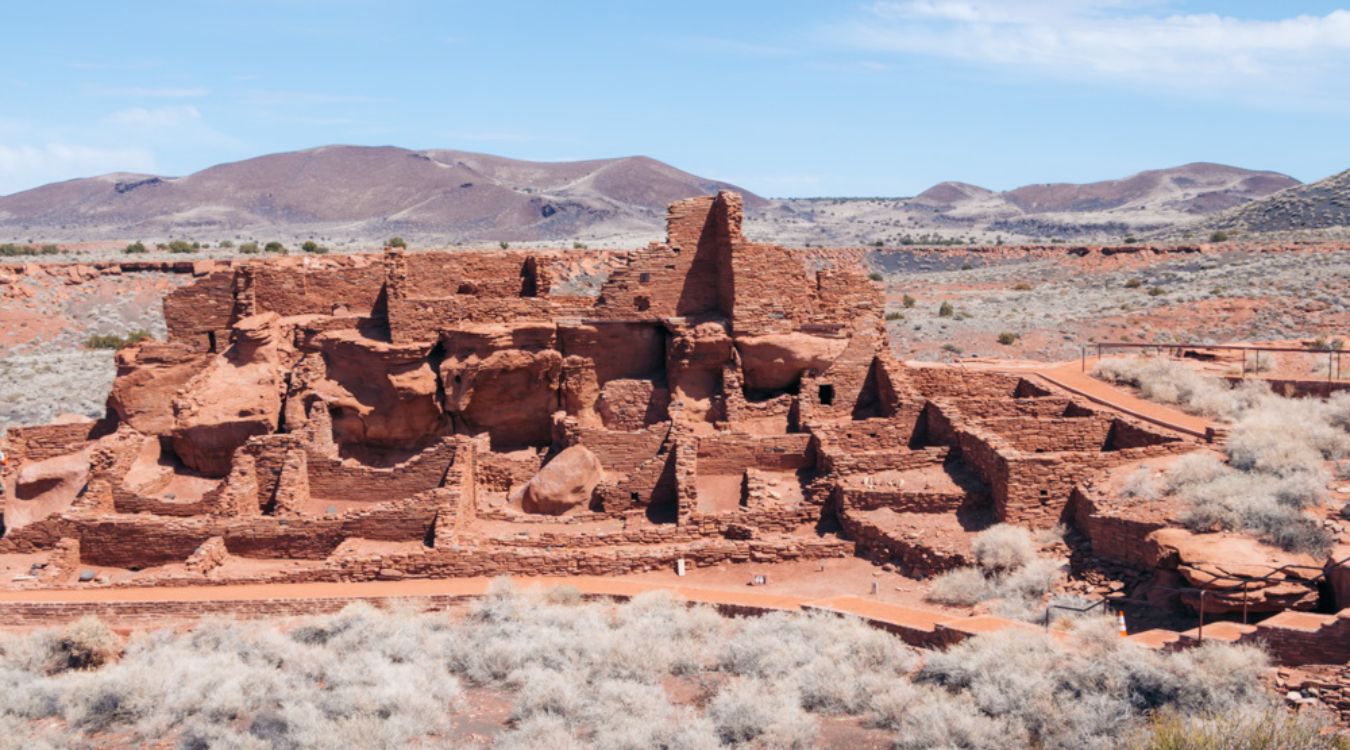
Have you ever wondered what secrets lie beneath Arizona's vast desert? Beyond the stunning landscapes and famous landmarks, Arizona hides some intriguing research sites. These places are not just for scientists; they offer a peek into the mysteries of our world. From ancient ruins to cutting-edge observatories, Arizona's desert is a treasure chest of knowledge waiting to be explored. Whether you're a curious traveler or a science enthusiast, these hidden gems will spark your imagination. Ready to uncover the hidden research sites in Arizona's desert? Let's dive into the wonders that await!
Hidden Research Sites in Arizona's Desert
Arizona's desert is more than just a vast expanse of sand and cacti. It's home to some of the most intriguing and lesser-known research sites. These places are often tucked away from the public eye, making them perfect for scientific exploration. Let's dive into some of these hidden gems.
1. Biosphere 2
Biosphere 2 is a unique research facility located in Oracle, Arizona. Originally built to study closed ecological systems, it now serves as a center for research, outreach, and teaching about Earth and its living systems.
- Location: Oracle, Arizona
- Research Focus: Ecology, climate change, and sustainability
- Interesting Fact: It was initially designed to be a self-sustaining habitat for humans.
2. Lowell Observatory
Lowell Observatory, perched atop Mars Hill in Flagstaff, is one of the oldest observatories in the United States. It has played a crucial role in astronomical discoveries, including the detection of Pluto.
- Location: Flagstaff, Arizona
- Research Focus: Astronomy and planetary science
- Interesting Fact: The observatory was founded by Percival Lowell in 1894.
3. Kitt Peak National Observatory
Kitt Peak National Observatory boasts the largest collection of optical and radio telescopes in the world. It's a hub for astronomical research and public education.
- Location: Tohono O'odham Nation, Arizona
- Research Focus: Astronomy and astrophysics
- Interesting Fact: It houses over 20 telescopes, including the famous Mayall 4-meter telescope.
4. Arizona State University’s Mars Space Flight Facility
Arizona State University's Mars Space Flight Facility is dedicated to studying the Red Planet. Researchers here analyze data from various Mars missions to understand its geology and climate.
- Location: Tempe, Arizona
- Research Focus: Mars exploration and planetary science
- Interesting Fact: The facility has contributed to several NASA missions, including the Mars Odyssey and Mars Reconnaissance Orbiter.
5. University of Arizona’s Lunar and Planetary Laboratory
The University of Arizona's Lunar and Planetary Laboratory (LPL) is a leading institution in planetary science. It has been involved in numerous space missions, including the OSIRIS-REx mission to asteroid Bennu.
- Location: Tucson, Arizona
- Research Focus: Planetary science and astronomy
- Interesting Fact: LPL was founded in 1960 and has been a pioneer in space exploration ever since.
6. Meteor Crater
Meteor Crater, also known as Barringer Crater, is one of the best-preserved meteorite impact sites on Earth. It serves as a natural laboratory for studying impact cratering processes.
- Location: Near Winslow, Arizona
- Research Focus: Impact cratering and planetary geology
- Interesting Fact: The crater is about 1,200 meters in diameter and 170 meters deep.
7. Arizona Sky Village
Arizona Sky Village is a community designed for amateur astronomers and professional researchers alike. It offers some of the darkest skies in the United States, making it ideal for stargazing and astronomical research.
- Location: Portal, Arizona
- Research Focus: Astronomy and astrophotography
- Interesting Fact: The village enforces strict light pollution controls to maintain its pristine night skies.
8. Mount Graham International Observatory
Mount Graham International Observatory is home to some of the world's most advanced telescopes. It provides a unique environment for astronomical research due to its high elevation and clear skies.
- Location: Mount Graham, Arizona
- Research Focus: Astronomy and astrophysics
- Interesting Fact: The observatory includes the Large Binocular Telescope, one of the most powerful telescopes in the world.
9. Painted Desert Research Station
The Painted Desert Research Station, located within the Petrified Forest National Park, focuses on geological and paleontological studies. Researchers here study the park's unique rock formations and fossilized remains.
- Location: Petrified Forest National Park, Arizona
- Research Focus: Geology and paleontology
- Interesting Fact: The Painted Desert is known for its vibrant and colorful landscape, which provides valuable insights into Earth's history.
10. Tumamoc Hill
Tumamoc Hill is a research site and ecological preserve managed by the University of Arizona. It offers a unique environment for studying desert ecology and conservation.
- Location: Tucson, Arizona
- Research Focus: Desert ecology and conservation
- Interesting Fact: Tumamoc Hill has been a site for ecological research for over a century, making it one of the longest-running ecological studies in the world.
Discovering Arizona's Hidden Research Gems
Arizona's desert holds more than just sand and cacti. It’s home to unique research sites that offer a glimpse into various scientific fields. From the Biosphere 2 with its controlled environment experiments to the Lowell Observatory where Pluto was discovered, these places are treasure troves of knowledge. The Meteor Crater provides insights into space impacts, while the Arizona-Sonora Desert Museum combines a zoo, botanical garden, and natural history museum. Each site offers something special, making Arizona a must-visit for science enthusiasts. Exploring these hidden gems not only enriches your understanding of the world but also supports ongoing research. So next time you’re in Arizona, take a detour from the usual tourist spots and dive into the fascinating world of scientific discovery. You’ll leave with a deeper appreciation for the desert and its contributions to science.
