

Part of our Arizona guide.
Hidden Waters and Lakes in Arizona are scattered across the state, from remote desert oases to mountain reservoirs that most visitors never find. This page gathers ten of those lesser-known spots, each offering a different kind of escape.
Arivaca Lake
Arivaca Lake sits in southern Arizona, tucked into rolling hills and greenery. It is a quiet place for fishing, birdwatching, or a lazy afternoon by the water. Anglers may find a variety of fish. The surrounding grasslands and oak woodlands attract herons and kingfishers, and the lake itself is a stopover for migrating waterfowl.
Painted Rock Salt Lakes
The Painted Rock Salt Lakes are a desert phenomenon: vast, shimmering salt flats colored by minerals and microorganisms. The vibrant pinks, greens, and whites come from algae and bacteria that thrive in the extreme salinity. Walking across the crust feels like stepping onto another planet. Photographers and nature lovers come for the light at sunrise and sunset, when the colors deepen and the salt crystals catch the low angle of the sun. There are no facilities, so bring water, sun protection, and a sense of adventure.
Buenos Aires Wildlife Refuge
Just southwest of Tucson, Buenos Aires Wildlife Refuge covers more than 117,000 acres of grasslands and wetlands. It is a prime spot for birdwatching, with over 300 species recorded here, including the endangered masked bobwhite quail. You might also spot pronghorn antelope or a bobcat moving through the tall grass. The refuge is open year-round, and the best times for wildlife viewing are early morning and late afternoon. Trails are limited, so driving the main roads with windows down is the standard way to explore.
Chiricahua
The Chiricahua Mountains rise out of the southeastern Arizona desert like a green island. Hidden among the rhyolite spires and pine forests are streams and pools that appear after summer rains. Hiking the trails—such as the Heart of Rocks Loop—can lead you to a cool, clear stream. These waters are seasonal, so late summer and early fall offer the best chance to find them flowing. The contrast between the dry, rocky landscape and the sudden presence of water is what makes this place magical.
Lake Mary
Lake Mary lies in the Coconino National Forest, just south of Flagstaff. It is split into Upper and Lower sections, each with a different character. Upper Lake Mary is larger and open for powerboats, kayaking, and paddleboarding. Lower Lake Mary is shallower and quieter, drawing birdwatchers and hikers who walk the shoreline trails. The surrounding ponderosa pine forest provides shade and a cool mountain breeze. Fishing is allowed with a valid Arizona license, and the lake is known for northern pike and walleye.
Lynx Lake
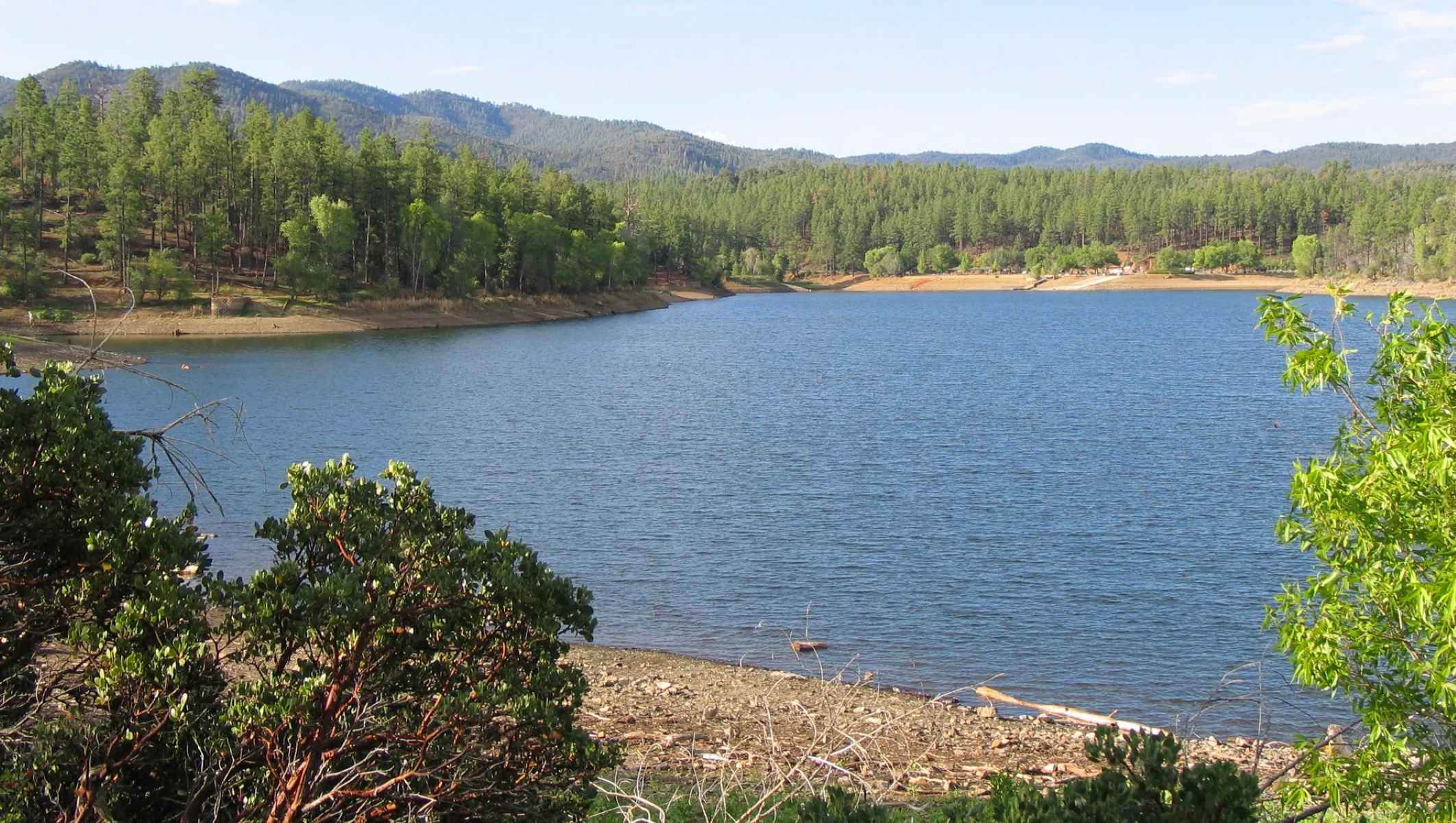
Nestled in the Prescott National Forest, Lynx Lake is a serene reservoir surrounded by pine and juniper. Anglers will find the lake stocked with fish. A 2.5-mile trail loops around the water, offering views of the lake and chances to spot deer, javelina, and a variety of birds. Families often use the picnic areas and rent rowboats or kayaks from the concession stand. The lake sits at 5,500 feet, so summer temperatures are mild compared to the desert floor.
Secrets Beneath Arizona's Arrastra Waters
Arrastra Waters is a lesser-known area where water has carved unusual rock formations and created microhabitats for rare aquatic species. The name comes from the arrastra, a primitive mining device once used in the region. Beneath the calm surface, you will find pools and riffles that support native fish and amphibians. The surrounding cliffs and boulders are layered with quartz and schist, giving the landscape a raw, geologic feel. This is a place for wading, exploring, and quiet observation rather than swimming or boating.
Lake Powell's Forest Paths
Most visitors to Lake Powell come for the houseboats and red-rock canyons, but the forest paths on the surrounding plateaus offer a different experience. Trails like the Hanging Garden Trail and the Chains to the Natural Bridge wind through pinyon-juniper woodland, with views of the lake far below. The paths are less crowded than the marinas, and you might spot mule deer or peregrine falcons. Spring and fall are the best seasons for hiking, as summer heat can be intense even at higher elevations.
Sonoran Institute
The Sonoran Institute works across the region to restore and manage water in one of the driest places in North America. Their projects include restoring the flow of the Colorado River delta and working with communities to capture rainwater and reduce urban runoff. The methods range from simple check dams and cisterns to large-scale habitat restoration. Visitors can learn about these efforts at the institute's offices in Tucson and at several demonstration sites along the Santa Cruz River. The work shows that even in a desert, water can be conserved and ecosystems can thrive.
Willow Springs Lakes
Willow Springs Lake sits at over 7,500 feet in the Apache-Sitgreaves National Forests, offering cool mountain air and a quiet alternative to crowded reservoirs. The lake is surrounded by mixed conifer forest, and wildlife such as deer and elk are common sights. Fishing is popular here, with rainbow trout and brook trout available for those with a license. The campground nearby provides basic sites for tents and small RVs. The road to the lake is paved but winding, so allow extra time for the drive from the nearest town.
More about Hidden Waters and Lakes
- Mysteries Of Arizona's Sandstone Labyrinths
- Hidden Petrified Forests Of Tucson: Arizona's Stone Jungle Secrets
- Arizona's Secret Cliff Dwellings And Ancient Ruins
- Secrets Of Arizona's Crystal Hill Quartz Mines
- Hidden Wind-Sculpted Arches Of Arizona's Monument Valley
- Hidden Wonders Of Arizona's Seven Springs
- Mysteries Of Sedona's Desert Legends
- Secrets Of Arizona's Sleeping Beauty Mountain Turquoise Mines
- Secrets Of Arizona's Mount Graham Observatories
- Secrets Of Arizona's Bradshaw Mountains
- Mysteries Of Arizona's Sonoran Desert Spirits
- Secrets Of Arizona's Monument Valley Trading Posts
- Hidden Military Aircraft Boneyards At Arizona's Davis-Monthan Base
- Secret Mountain Lakes Of Arizona's White Mountains
- Secrets Of Arizona's Granite Dells Stone Bowls
- Secrets Of Arizona's Superstition Mountains Springs
- Secrets Of Arizona's Sonoran Desert Oases
- Secrets Of Arizona's Sedona Vortexes
- Secrets Of Arizona's Kitt Peak Mountain Observatories
- Arizona's Hidden Ostrich Farms: A Surprising Find
- Secrets Of Tohono O'odham Cooking Techniques
- Hidden Flame Azalea Fields Of The Blazing Barrens
- Secrets Of Arizona's Spiraling Sandstone Waves
- Arizona's Hidden Copper Boom Towns And Their Untold Stories
- Hidden Indigenous Rock Art In Arizona's Cabeza Prieta
- Hidden Ghost Towns In Arizona's Superstition Mountains
- Secrets Of Arizona's Desert Packrafting Routes
- Mysteries Of The Hopi Mesas In Arizona
- Secrets Hidden Under Arizona's Superstition Mountains
- Secrets Of Arizona's Agua Fria Rock Art
- Secrets Of Arizona's Ray Mine Ghost Chrysocolla
- Secrets Of Arizona's Four Peaks Mines
- Mystery Of The Dragon Rings At Mount Lemmon
- Secrets Of Arizona's Butterfield Route Stage Stations
- Hidden Ruins Of Arizona's Perry Mesa
- Secret Volcanic Plugs In Arizona's Monument Valley
- Hidden Hot Springs Of Arizona's Agua Caliente
- Secrets Of Arizona's Santa Catalina Mountains
- Secrets Of Arizona's Abandoned Railroad Towns
- Hidden Lookouts Of The Mogollon Rim
