

Hidden Connections In Arizona’s Desert Research Network
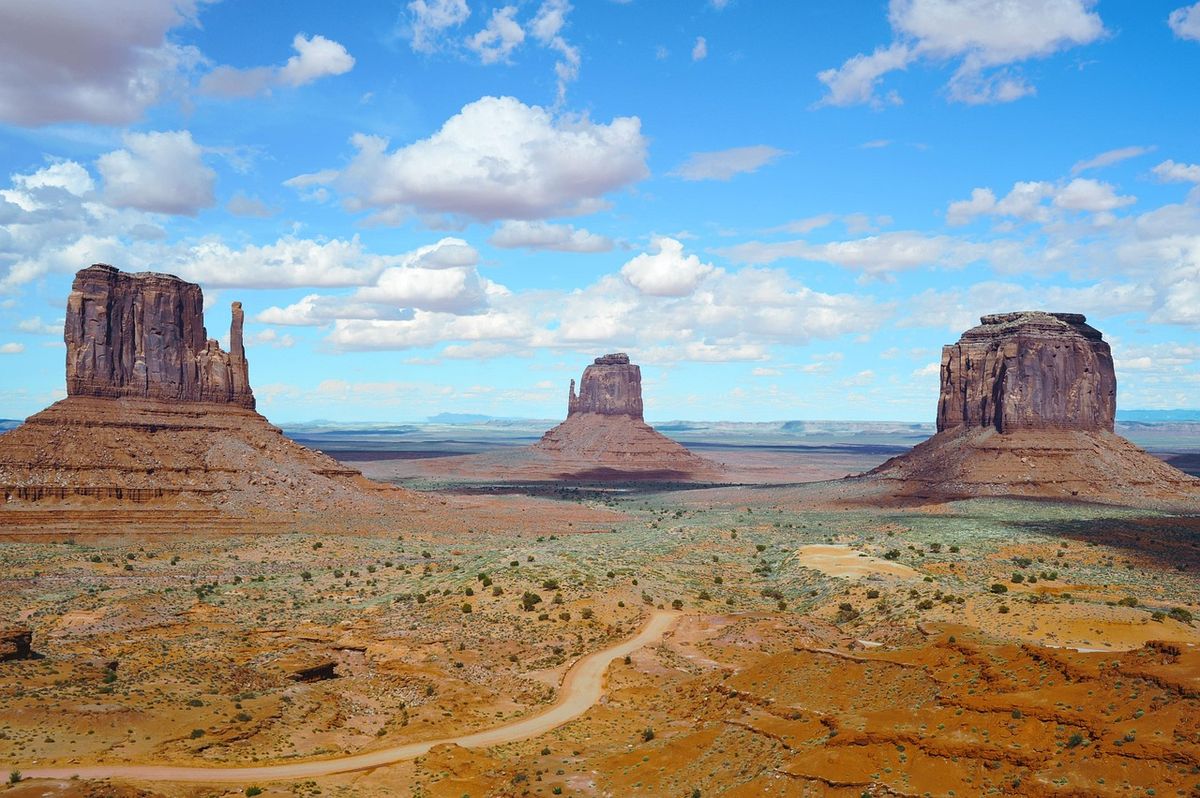
Have you ever wondered how scientists study the desert? Arizona's desert research network holds the key. This network connects various research stations across the state, allowing scientists to share data and findings. From studying plant life to tracking animal movements, these stations provide valuable insights into desert ecosystems. Researchers use advanced technology to monitor weather patterns, soil conditions, and water resources. This helps them understand how climate change affects the desert. By working together, scientists can develop strategies to protect these fragile environments. If you're curious about desert research, Arizona's network offers a fascinating glimpse into this vital work.
Hidden Connections in Arizona's Desert Research Network
Arizona's desert landscape is more than just a vast expanse of sand and cacti. It's a hub of scientific exploration and discovery. Researchers from around the world come here to study unique ecosystems, ancient cultures, and cutting-edge technology. Let's uncover some of the hidden gems in Arizona's desert research network.
Ancient Cultures and Archaeological Sites
Arizona's deserts are rich with history. Ancient civilizations left behind clues that researchers are still piecing together today.
Petrified Forest National Park
This park is home to one of the largest and most colorful concentrations of petrified wood in the world. Researchers study these ancient trees to understand the environment millions of years ago.Canyon de Chelly
This site offers a glimpse into the lives of the Ancestral Puebloans. Archaeologists study the cliff dwellings and rock art to learn about their culture and daily life.Casa Grande Ruins
The Hohokam people built this ancient structure. Researchers investigate its purpose and the advanced irrigation systems they used to thrive in the desert.
Unique Ecosystems and Biodiversity
The desert may seem barren, but it's teeming with life. Scientists study these unique ecosystems to understand how plants and animals adapt to harsh conditions.
Sonoran Desert
This desert is one of the most biologically diverse in North America. Researchers study its flora and fauna, including the iconic saguaro cactus and the elusive desert tortoise.Organ Pipe Cactus National Monument
This UNESCO biosphere reserve is a living laboratory. Scientists research its unique plant species and the ways they survive extreme temperatures and limited water.Arizona-Sonora Desert Museum
Part zoo, part botanical garden, and part natural history museum, this facility offers researchers a comprehensive view of desert life. Studies here focus on conservation and education.
Cutting-Edge Technology and Space Research
Arizona's clear skies and vast open spaces make it an ideal location for technological and space research.
Kitt Peak National Observatory
Home to the largest collection of optical and radio telescopes in the world, this observatory is a hub for astronomical research. Scientists here study everything from distant galaxies to our own solar system.Biosphere 2
This massive research facility simulates various Earth ecosystems. Researchers use it to study climate change, sustainability, and the potential for human life on other planets.Lowell Observatory
Famous for the discovery of Pluto, this observatory continues to be a leader in space research. Astronomers here study planetary science, stellar evolution, and more.
Water Resources and Sustainability
Water is a precious resource in the desert. Researchers in Arizona are at the forefront of studying water conservation and sustainable practices.
Central Arizona Project
This massive canal system brings water from the Colorado River to central and southern Arizona. Researchers study its impact on the environment and ways to improve water management.University of Arizona Water Resources Research Center
This center focuses on water policy, management, and technology. Researchers here work on solutions to ensure a sustainable water supply for future generations.Salt River Project
One of the largest water suppliers in the state, this project also generates hydroelectric power. Studies focus on balancing water use with environmental conservation.
The Impact of Arizona's Desert Research Network
Arizona's desert research network is more than just a collection of studies. It connects scientists, students, and communities, creating a web of knowledge and innovation. These hidden connections help us understand climate change, biodiversity, and sustainable living in arid environments.
Researchers share data and insights, leading to breakthroughs that can be applied globally. This collaboration fosters a deeper appreciation for the desert ecosystem and its unique challenges.
By supporting this network, we invest in a future where science and community work hand in hand. The discoveries made here have the potential to transform how we live and interact with our environment. Arizona's desert research network is a testament to the power of collaboration and the endless possibilities it brings.
