

Curious Facts About Wupatki National Monument’s Limestone Sinkholes
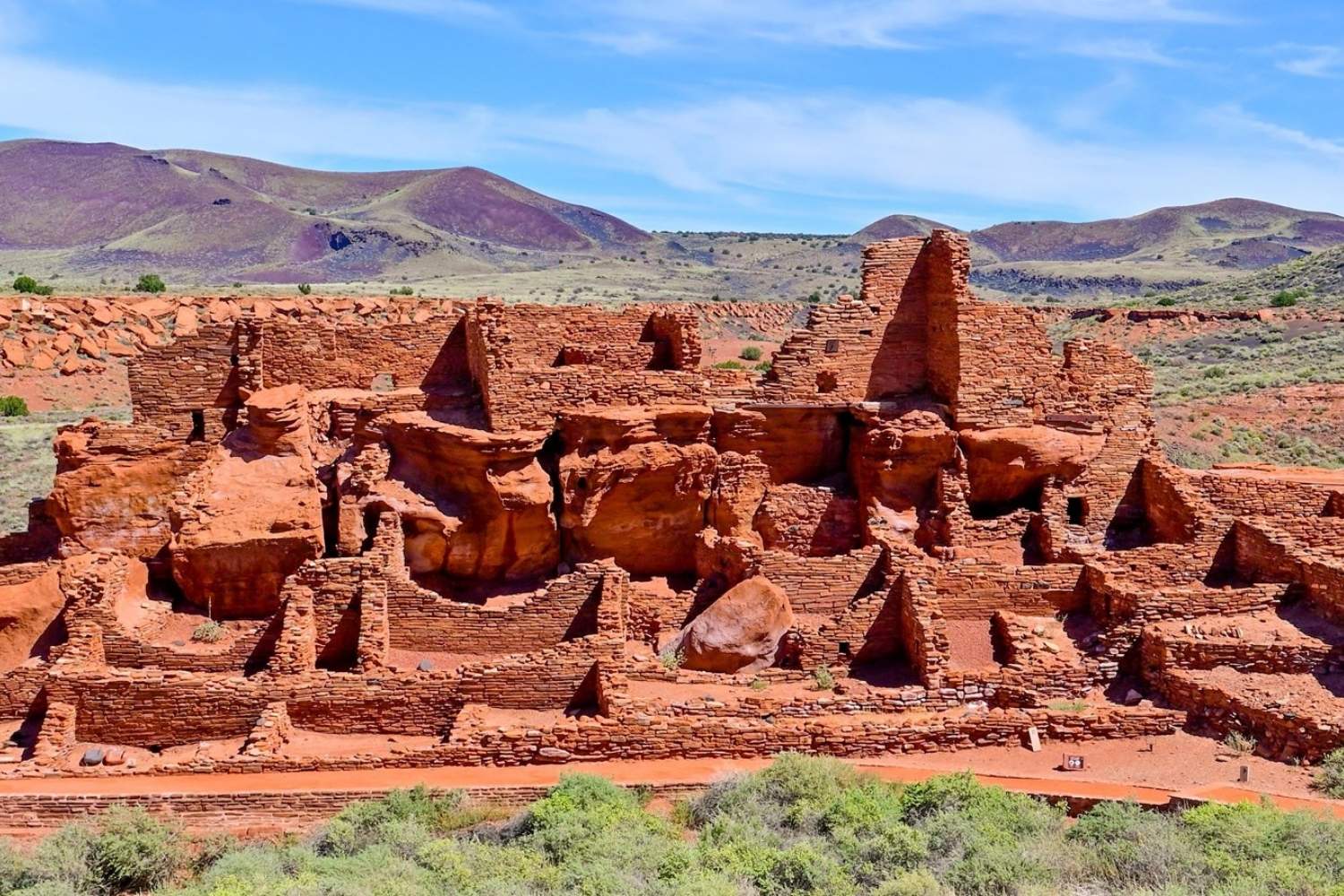
Have you ever wondered about the limestone sinkholes at Wupatki National Monument? These natural formations are more than just holes in the ground. They tell stories of ancient landscapes and geological processes. Formed over thousands of years, these sinkholes offer a glimpse into the past. They reveal how water and rock interact, creating unique underground features. Visitors to Wupatki can see these sinkholes up close, marveling at their size and depth. Exploring these formations helps us understand the natural history of the area. So next time you visit, take a moment to appreciate the fascinating world beneath your feet.
Curious Facts About Wupatki National Monument's Limestone Sinkholes
Wupatki National Monument, located in northern Arizona, is a treasure trove of ancient ruins and natural wonders. Among its many fascinating features are the limestone sinkholes that dot the landscape. These geological formations hold secrets and stories that captivate visitors and scientists alike. Let's dive into some curious facts about these intriguing sinkholes.
Formation of Limestone Sinkholes
Limestone sinkholes are natural depressions or holes in the ground caused by the collapse of a surface layer. They form when water dissolves the underlying limestone, creating underground voids that eventually collapse. This process can take thousands of years, making each sinkhole a window into the past.
Water's Role: Water is the primary agent in the formation of limestone sinkholes. Rainwater, slightly acidic due to dissolved carbon dioxide, seeps into the ground and slowly dissolves the limestone, creating underground cavities.
Collapse: Over time, the cavities grow larger until the surface layer can no longer support its weight, leading to a collapse and the formation of a sinkhole.
Size and Shape: Sinkholes can vary greatly in size and shape, from small, shallow depressions to large, deep holes. The size and shape depend on the amount of limestone dissolved and the stability of the surface layer.
Historical Significance
The limestone sinkholes at Wupatki National Monument are not just geological wonders; they also hold historical significance. Ancient peoples who lived in the area used these natural features in various ways.
Water Sources: Some sinkholes served as natural water reservoirs, providing a crucial water source in the arid landscape. Ancient inhabitants would have relied on these water-filled sinkholes for drinking, cooking, and irrigation.
Agricultural Use: The fertile soil around sinkholes made them ideal for agriculture. Ancient farmers likely used the nutrient-rich soil to grow crops, taking advantage of the natural irrigation provided by the sinkholes.
Shelter and Storage: Some sinkholes may have been used as natural shelters or storage areas. The cool, shaded environment inside a sinkhole would have been perfect for storing food and other perishable items.
Modern-Day Exploration
Today, Wupatki National Monument's limestone sinkholes continue to intrigue visitors and researchers. Modern technology allows for a deeper understanding of these natural formations.
Scientific Research: Geologists and archaeologists study the sinkholes to learn more about the area's geological history and the ancient peoples who lived there. Techniques like ground-penetrating radar and 3D mapping provide new insights into the formation and use of sinkholes.
Tourism: The sinkholes are a popular attraction for visitors to Wupatki National Monument. Guided tours and informational signs help visitors understand the geological and historical significance of these natural features.
Conservation Efforts: Efforts are underway to preserve and protect the sinkholes and the surrounding landscape. Conservationists work to ensure that these natural and historical treasures remain intact for future generations to enjoy.
Unique Ecosystems
Limestone sinkholes create unique ecosystems that support a variety of plant and animal life. The microclimates within sinkholes can differ significantly from the surrounding area, leading to diverse habitats.
Plant Life: The moist, shaded environment inside sinkholes supports plant species that might not thrive in the arid landscape above. Ferns, mosses, and other shade-loving plants can often be found growing in and around sinkholes.
Animal Habitats: Sinkholes provide shelter and water for various animals. Birds, reptiles, and small mammals may use sinkholes as nesting sites or refuges from predators.
Biodiversity: The unique conditions within sinkholes contribute to the overall biodiversity of Wupatki National Monument. Researchers study these ecosystems to understand how different species adapt to the microclimates created by sinkholes.
Cultural Stories and Legends
The limestone sinkholes at Wupatki National Monument are also steeped in cultural stories and legends. Indigenous peoples who lived in the area passed down tales that add to the mystique of these natural formations.
Creation Myths: Some Native American tribes have creation myths that involve sinkholes. These stories often explain the origins of the landscape and the people who inhabit it.
Spiritual Significance: Sinkholes may hold spiritual significance for indigenous peoples. They might be seen as sacred sites or places of power, used for rituals and ceremonies.
Oral Traditions: Oral traditions passed down through generations help keep the cultural significance of sinkholes alive. These stories provide a deeper understanding of how ancient peoples interacted with the natural world around them.
Limestone Sinkholes: A Hidden Gem
Wupatki National Monument's limestone sinkholes offer a unique glimpse into the area's geological history. These natural formations, created over thousands of years, are not just holes in the ground. They tell stories of ancient civilizations, water sources, and the ever-changing landscape. Exploring these sinkholes can be both educational and awe-inspiring. Visitors can learn about the processes that shaped them and the significance they held for the people who once lived there. Whether you're a history buff, a geology enthusiast, or just someone looking for a unique adventure, Wupatki's sinkholes won't disappoint. So next time you're in Arizona, make sure to add this hidden gem to your itinerary. You'll walk away with a deeper appreciation for nature's wonders and the rich history of the region.
