Hidden Trading Posts Of Alaska’s Fort Tongass
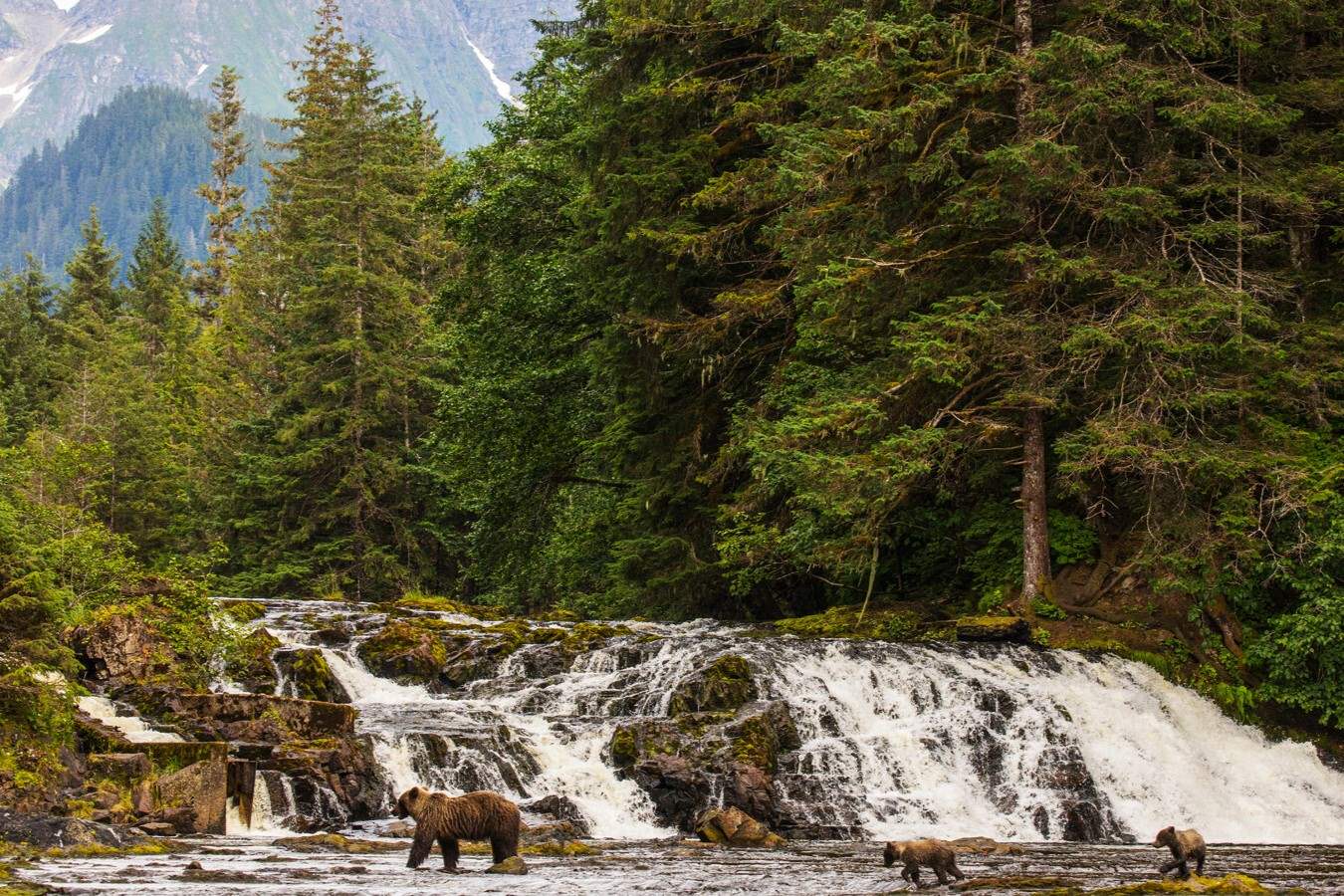
Have you ever wondered about the hidden trading posts of Alaska's Fort Tongass? This remote area, rich in history, offers a glimpse into the past where traders and settlers exchanged goods and stories. Fort Tongass, established in the 19th century, served as a bustling hub for fur traders, fishermen, and adventurers. Today, remnants of these trading posts still stand, whispering tales of old. Exploring these sites provides a unique window into the lives of those who once thrived in this rugged landscape. Whether you're a history buff or just curious, Fort Tongass holds secrets waiting to be uncovered.
Hidden Trading Posts of Alaska's Fort Tongass
Fort Tongass, Alaska, holds secrets of the past, hidden trading posts that once buzzed with activity. These places tell tales of commerce, culture, and community. Let's uncover these hidden gems.
1. The Old Cannery
The Old Cannery stands as a testament to the bustling trade of yesteryears. This place was once the heart of the fishing industry.
- Historic Significance: The cannery processed tons of fish, fueling the local economy.
- Architectural Marvel: Its wooden structure, though weathered, still stands strong.
- Cultural Hub: Fishermen and traders from various backgrounds gathered here, sharing stories and goods.
2. The General Store
The General Store was more than just a place to buy goods. It was a community center where locals met and exchanged news.
- Variety of Goods: From groceries to tools, the store had everything.
- Social Gathering: People met here to chat, making it a lively spot.
- Historical Artifacts: Old ledgers and items give a glimpse into the past.
3. The Trading Post by the Dock
Located near the dock, this trading post was crucial for maritime trade. Ships from distant lands brought exotic goods here.
- Strategic Location: Its proximity to the dock made it a prime spot for trade.
- Exotic Goods: Items from far-off places were traded here, adding to its allure.
- Bustling Activity: The constant movement of goods and people made it a vibrant place.
4. The Fur Exchange
The Fur Exchange was a key player in the fur trade, which was a significant part of Alaska's economy.
- Economic Impact: Furs were highly valued, making this place economically important.
- Trade Networks: It connected local trappers with international markets.
- Cultural Exchange: Different cultures interacted here, enriching the local community.
5. The Blacksmith's Forge
The Blacksmith's Forge was essential for creating tools and equipment, supporting both daily life and trade.
- Craftsmanship: Skilled blacksmiths crafted tools, weapons, and more.
- Community Support: The forge provided necessary items for traders and locals.
- Historical Tools: Old tools found here tell stories of the past.
6. The Native Artisans' Market
This market showcased the craftsmanship of Native artisans, offering unique items that were highly sought after.
- Unique Crafts: Handmade items like baskets, carvings, and jewelry were sold here.
- Cultural Preservation: The market helped preserve and promote Native traditions.
- Tourist Attraction: Visitors were drawn to the unique and beautiful crafts.
7. The Lumber Mill
The Lumber Mill was vital for providing materials needed for building and trade.
- Resource Supply: It supplied wood for construction and trade.
- Economic Backbone: The mill supported the local economy by providing jobs.
- Historical Machinery: Old machinery pieces offer a glimpse into the past.
8. The Shipwright's Workshop
The Shipwright's Workshop was where ships were built and repaired, crucial for maintaining trade routes.
- Shipbuilding Skills: Skilled craftsmen built and repaired ships here.
- Trade Support: The workshop ensured that ships were seaworthy for trade.
- Historical Ships: Remnants of old ships tell stories of maritime adventures.
9. The Gold Exchange
The Gold Exchange played a significant role during the gold rush, attracting prospectors and traders.
- Economic Boom: Gold brought wealth and prosperity to the area.
- Trade Hub: Prospectors traded gold for supplies and goods.
- Historical Records: Old records and artifacts provide insights into the gold rush era.
10. The Fishermen's Wharf
The Fishermen's Wharf was a bustling spot where fishermen brought their catch to trade.
- Fresh Catch: Daily catches were traded here, fueling the local economy.
- Community Gathering: Fishermen and traders met here, sharing news and stories.
- Historical Significance: The wharf played a crucial role in the local fishing industry.
Discovering Fort Tongass's Hidden Gems
Fort Tongass offers a unique glimpse into Alaska's rich history. The hidden trading posts scattered throughout this area tell stories of early settlers and their interactions with indigenous communities. Exploring these sites provides a deeper understanding of the region's cultural heritage.
Visiting Fort Tongass isn't just about seeing historical landmarks. It's about experiencing the rugged beauty of Alaska, from its dense forests to its stunning coastlines. Whether you're a history buff or an adventure seeker, Fort Tongass has something to offer.
Plan your trip to Fort Tongass and uncover the secrets of these hidden trading posts. You'll leave with a greater appreciation for Alaska's past and the resilience of its people. Don't miss out on this chance to step back in time and explore one of the state's lesser-known treasures.