

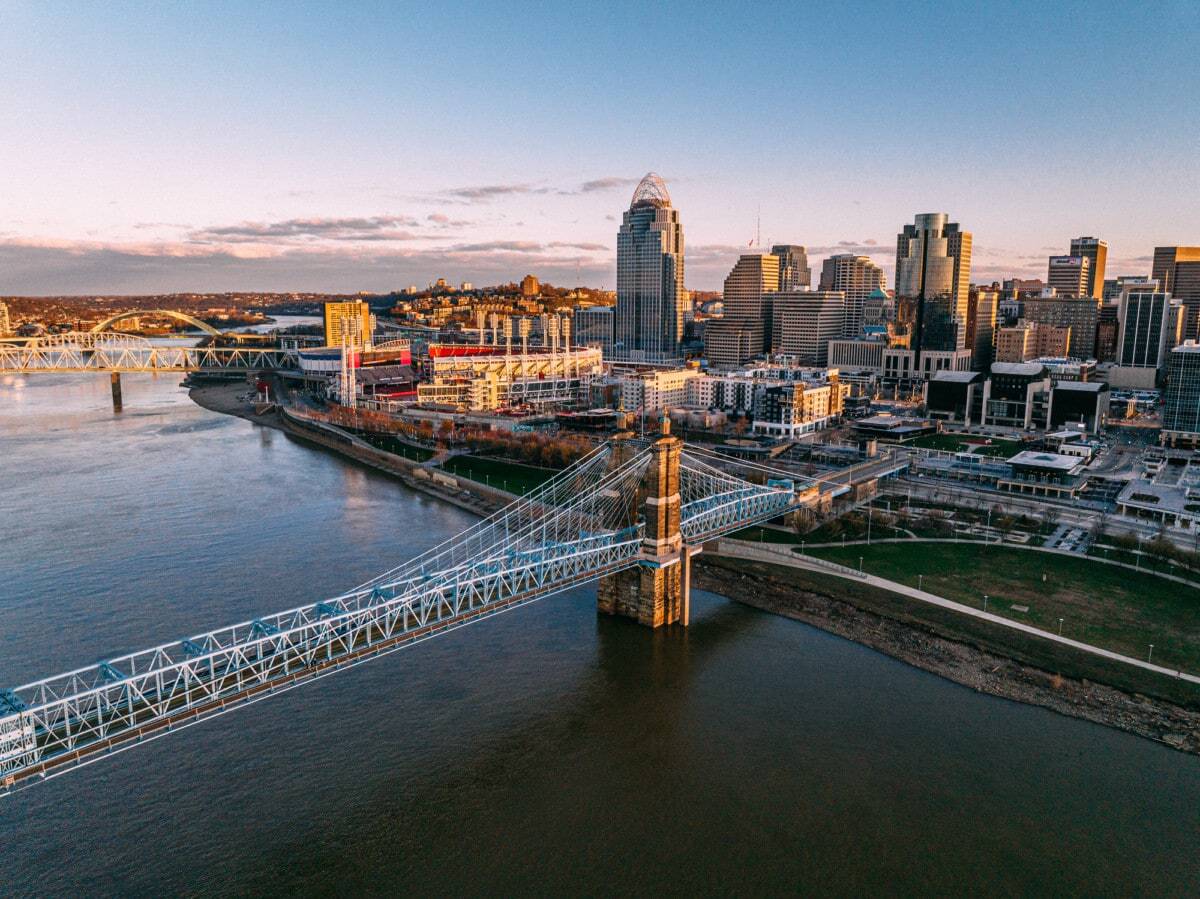
Ever wondered why Cincinnati is called "The Queen City"? The nickname comes from "Queen of the West," first documented in an 1819 newspaper article and reinforced by Henry Wadsworth Longfellow's 1854 poem, describing Cincinnati as the leading city in the American West. The city earned this moniker due to its rapid development and prominence in the 19th century, not because of any royal connection to Queen Charlotte of Mecklenburg-Strelitz (that origin belongs to Charlotte, North Carolina).
Cincinnati: The Queen City
Cincinnati, often called "The Queen City," boasts a rich history and vibrant culture.
Historical Roots
The nickname dates back to the early 19th century, when the city's rapid growth and prosperity earned it a royal moniker.
-
Henry Wadsworth Longfellow's Poem: In 1854, Longfellow wrote a poem titled "Catawba Wine," referring to Cincinnati as "The Queen of the West." This poetic reference solidified the nickname.
-
Rapid Growth: During the 1800s, Cincinnati became one of the largest cities in the United States. Its booming economy and strategic location along the Ohio River made it a central hub for commerce and culture.
Cultural Significance
The nickname also reflects the city's cultural richness and contributions to the arts.
-
Music Hall: Built in 1878, Cincinnati Music Hall is an architectural gem and a testament to the city's commitment to the arts. It hosts the Cincinnati Symphony Orchestra, one of the oldest orchestras in the country.
-
Art Museum: The Cincinnati Art Museum, established in 1881, houses an extensive collection of art spanning 6,000 years.
Architectural Marvels
The city's skyline and historic buildings further emphasize its regal status.
-
Roebling Suspension Bridge: Completed in 1867, this bridge was the longest suspension bridge in the world at the time. It connected Cincinnati to Covington, Kentucky, symbolizing progress and innovation.
-
Union Terminal: Opened in 1933, this Art Deco masterpiece served as a major railroad station. Today, it houses museums and remains a symbol of Cincinnati's architectural grandeur.
Modern-Day Appeal
Cincinnati continues to thrive, blending its historical charm with modern attractions.
-
Fountain Square: This central gathering place features the iconic Tyler Davidson Fountain, a symbol of the city's hospitality and community spirit.
-
Over-the-Rhine District: Known for its 19th-century architecture, this revitalized neighborhood offers trendy shops, restaurants, and a vibrant nightlife.
Natural Beauty
The city's natural surroundings also contribute to its queenly reputation.
-
Eden Park: Overlooking the Ohio River, Eden Park provides stunning views and lush landscapes. It's home to the Cincinnati Art Museum and Krohn Conservatory, blending nature with culture.
-
Mount Adams: This charming hillside neighborhood offers panoramic views of the city and the river. Its quaint streets and historic homes add to Cincinnati's picturesque appeal.
Cincinnati's Regal Legacy
Cincinnati's nickname, "The Queen City," reflects the city's rich history, cultural significance, and economic growth. The nickname stuck, symbolizing Cincinnati's pride and heritage. The 1819 newspaper article and Longfellow's 1854 poem both captured the city's status as the leading urban center of the American West during a period of remarkable expansion.
Today, visitors can see this legacy in the city's architecture, museums, and vibrant neighborhoods. From the historic Over-the-Rhine district to the bustling riverfront, Cincinnati continues to honor its regal past while embracing modernity. Whether you're a history buff, a foodie, or just curious, exploring "The Queen City" offers a unique glimpse into America's heartland.
Related travel guides: The Story Behind Cincinnati's Nickname "The Queen City", Cincinnati's Secret Underground Railroad Locations, and The Fascinating Reason Behind Tennessee's Nickname.
